Furry AI Generator: Create Furry Characters and Art with AI
Learn how to create furry characters, fursonas, and anthropomorphic art with an AI furry generator. Covers species types, fur patterns, design tips, and how to build reference sheets for your furry OCs.
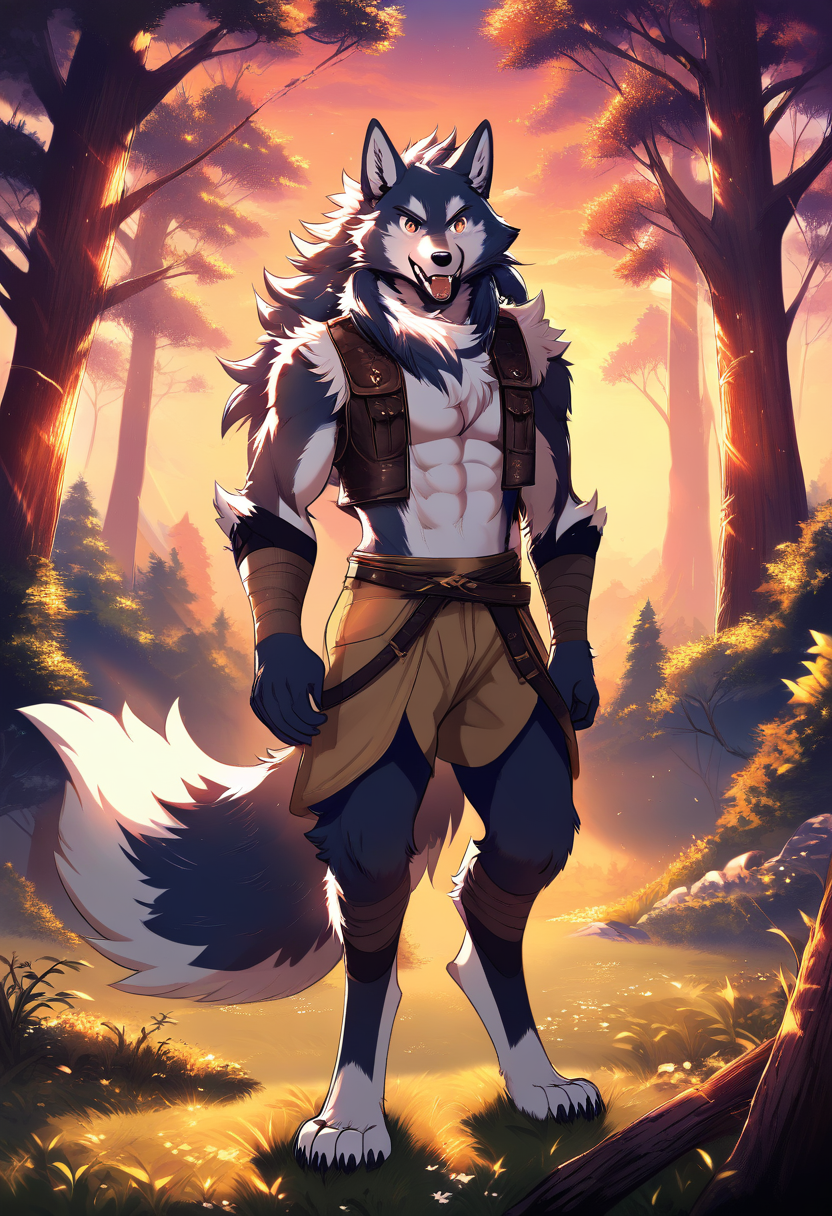
The furry fandom has always been one of the most creatively prolific communities online. Furry artists are consistently among the most commissioned digital artists on the internet, furry conventions draw tens of thousands of attendees, and the demand for original character art has never been higher.
At the center of it all is the fursona --- a personal anthropomorphic character that represents the creator.
Designing a fursona has traditionally required either drawing skill or a commission budget. Good furry art commissions are not cheap, and the best artists have wait times measured in months. For someone just entering the fandom or iterating on a design they are not sure about yet, that barrier is significant.
AI furry generators open up the experimentation phase. Tools like Oniichan's Furry AI Generator are built to handle the specific visual vocabulary of anthropomorphic characters, from species-specific anatomy to fur pattern details.
Understanding Anthropomorphic Character Design
Anthropomorphic characters exist on a spectrum from "animal with human-like expressions" to "human with animal features." Where your character falls on that spectrum is one of the most important design decisions you will make.
The Anthro Spectrum
| Style | Description | Examples |
|---|---|---|
| Feral-leaning | Four-legged, natural proportions, expressive faces | Simba, Bambi |
| Semi-anthro | Stands on two legs but retains animal proportions, digitigrade legs | Rocket Raccoon, classic Sonic |
| Full anthro | Human body proportions with animal head, tail, ears, and fur | Most common fursona style |
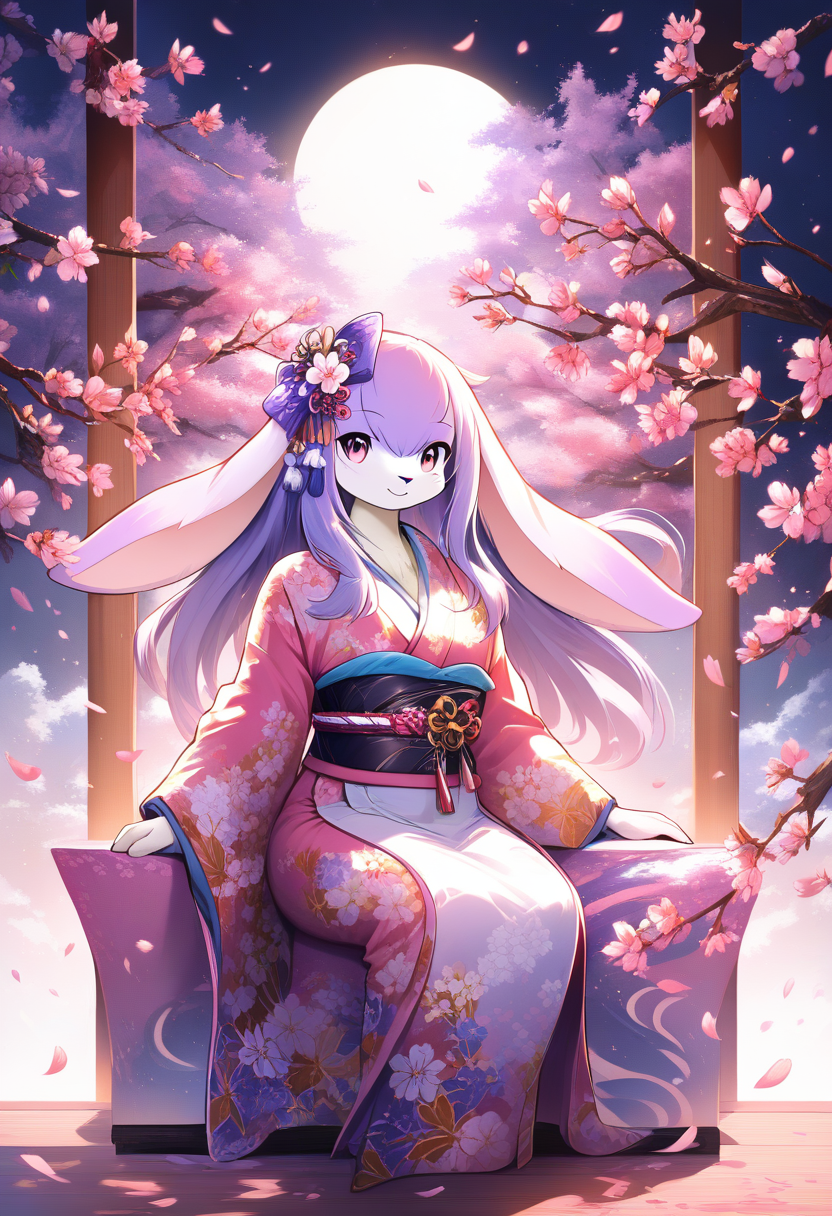
| Kemono | Japanese approach --- rounder, more stylized, bigger eyes, softer features | Cuter, more cartoon-like |
Tip: When prompting an AI generator, specifying where on this spectrum you want your character is essential. "Full anthro wolf standing upright with human proportions" produces something very different from "semi-anthro wolf with digitigrade legs and a hunched posture."
Body Types and Proportions
Anthro characters have the same range of body types as human characters, plus the additional variable of species influence:
- Athletic/lean --- canines, felines, mustelids (weasels, otters, ferrets)
- Stocky/muscular --- bears, bulls, larger canines like mastiffs
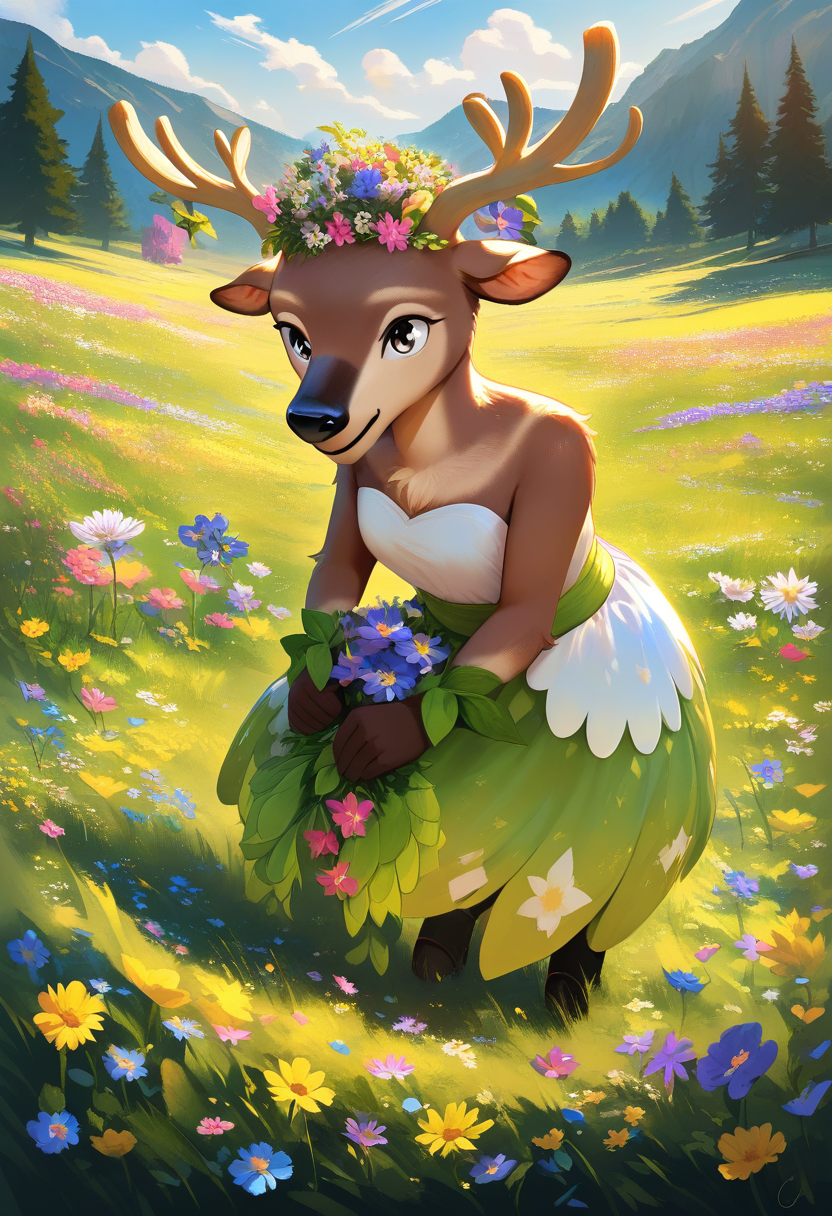
- Slim/elegant --- deer, rabbits, foxes, avians
- Round/soft --- pandas, hamsters, seals, penguins
- Tall/imposing --- wolves, dragons, horses, elk
The body type should feel natural for the species while reflecting the character's individual personality.
Species Selection Guide
Choosing a species is the foundational decision. Each species comes with built-in visual features, cultural associations, and design opportunities.
Canines
Wolves are the most popular furry species by a wide margin. They offer a huge range of design possibilities: arctic white, timber grey, red, black, or fantasy colors. Wolves have expressive ears, bushy tails, and strong muzzles that read well in art.
Foxes are the second most popular. Red foxes, arctic foxes, fennec foxes (with their enormous ears), and silver foxes each have distinct looks. Foxes tend to read as clever, agile, and a bit mischievous.
Dogs cover an enormous range. A husky fursona looks completely different from a golden retriever or a doberman. Specific breeds give you built-in visual hooks.
Tip: Always specify the canine subspecies or breed. "A canine anthro" is too vague. "A fennec fox anthro with oversized sandy-colored ears and a cream chest" gives the AI something concrete.
Felines
Domestic cats offer variety through breed: fluffy Persian, sleek Siamese, spotted Bengal. Each breed suggests different body types and coat patterns.
Big cats bring drama. Lions with manes, tigers with stripes, leopards with spots, panthers with sleek black coats. Big cat fursonas tend to feel powerful and commanding.
Fantasy felines are common: cats with extra tails, saber teeth, unusual coloring, or elemental features.
Reptiles and Dragons
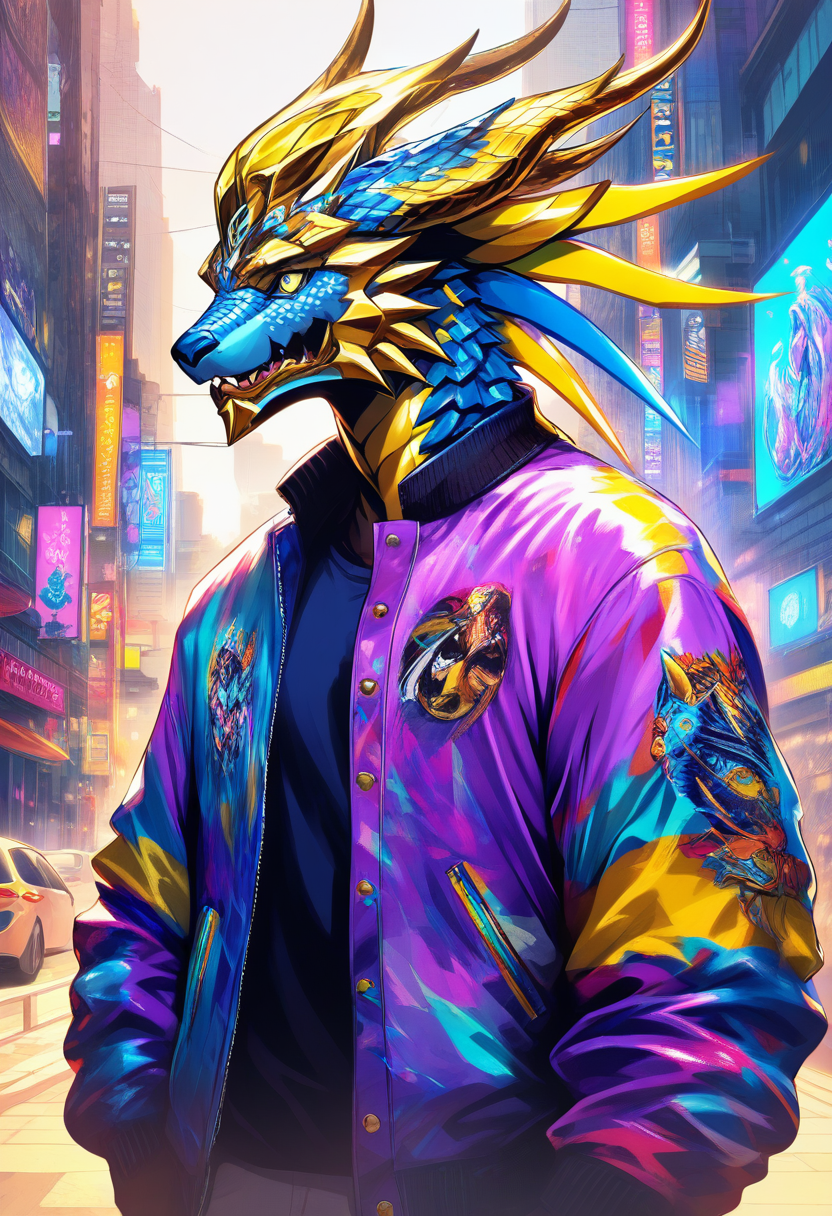
Dragons are one of the most popular non-mammalian species. Key design opportunities:
- Scale patterns and colors tied to draconic type
- Horn shapes (curved, straight, branching)
- Wing membrane colors
- Breath type reflected in color scheme (fire = warm tones, frost = cool blues)
- Tail tip designs (spade, flame, feathered)
Scalies also include lizards, snakes, crocodilians, and dinosaurs. Different texture needs: scales instead of fur, frills, crests, and spines instead of hair.
Avians
Bird anthros offer dramatic design through plumage. Key considerations:
- Wings as arms vs. separate wings --- do wings replace arms (more bird-like) or sit on the back (more anthro)?
- Beak expressiveness --- birds convey emotion through eye shape and feather positioning
- Plumage detail --- feather patterns are where avian characters get visual richness
Mythical and Hybrid Species
The fandom has no species restrictions. Griffins, kitsune, sergals, protogens, and countless original species are all fair game.
Color and Marking Design
Color is arguably the most important visual element of a fursona. It is what people notice first and remember longest.
Natural vs. Fantasy Colors
Natural palettes use real-species colors: browns, greys, blacks, whites, oranges, creams. These feel grounded and work for realistic art styles.
Fantasy palettes use any color: neon green, pastel pink, deep purple, electric blue. More common in the fandom and let characters stand out. The key is making the palette cohesive rather than random.
Building a Color Palette
A strong fursona palette typically has:
| Role | Coverage | Example |
|---|---|---|
| Dominant base color | 60-70% of the body | Slate blue |
| Secondary color | 20-30% | White chest, muzzle, tail tip |
| Accent color | 5-10% | Amber eyes, small markings |
| Optional highlight | Sparingly | Glow effects, nose, paw pads |
Marking Types
Markings give your character visual complexity and uniqueness:
- Gradient/fade --- color transitions smoothly between areas
- Symmetrical markings --- matching patterns on both sides (face masks, chest diamonds, sock markings)
- Asymmetrical markings --- unique to one side, immediately distinctive
- Species-appropriate patterns --- tiger stripes, leopard spots, husky face masks, tabby swirls
- Fantasy markings --- glowing rune patterns, circuit-like lines, starfield patterns, geometric shapes
Eye Design
Eyes are the emotional center of any character:
- Eye color should complement or contrast the fur palette
- Slit pupils for felines and reptiles, round pupils for canines and mammals
- Glow or luminescence for fantasy/supernatural characters
- Heterochromia (different colored eyes) is visually striking
- Eye shape conveys personality: large round = friendly, narrow = confident or mysterious
Prompt Techniques for Furry Art
Getting good results comes down to speaking the AI's visual language.
The Structured Prompt Template
Structure: [Anthro style] [species] with [coloring and markings], [body type], wearing [clothing/accessories], [expression and pose], [one signature detail]. [Art style].
Example: "Full anthro red fox with cream chest and black ear tips, lean athletic build, wearing an open denim jacket over a band t-shirt, grinning with one fang visible, a silver earring in the left ear. Clean digital art style with soft shading."
Fur and Texture Keywords
| Keyword | Effect |
|---|---|
| "Fluffy" / "long-furred" | Adds visible fur volume and softness |
| "Sleek" / "short-furred" | Cleaner, more defined body shape |
| "Tufted" | Fur accents at ears, cheeks, chest, or tail tip |
| "Iridescent scales" | Color-shifting surfaces for reptilian characters |
| "Plush" / "soft-looking" | More huggable, kemono-adjacent feel |
Expression and Emotion Keywords
Furry characters are inherently expressive because animal features add emotional channels that human characters lack:
- Perked ears = alert, happy, interested
- Flattened ears = scared, angry, submissive
- Swishing tail = playful, agitated
- Puffed-up tail = startled, defensive
- Bared fangs = aggressive, confident, or playfully feral
- Half-lidded eyes = relaxed, smug, flirtatious
Use Cases for AI-Generated Furry Art
Fursona Exploration
The most common use case. Try different species, swap color palettes, experiment with markings, test clothing styles. Use Oniichan's character creation tools to build and refine your design iteratively.
Profile Art and Avatars
Generate clean portraits with simple backgrounds, good lighting on the face, and the character's most recognizable features clearly visible. This becomes your go-to profile image across platforms.
Reference Sheets
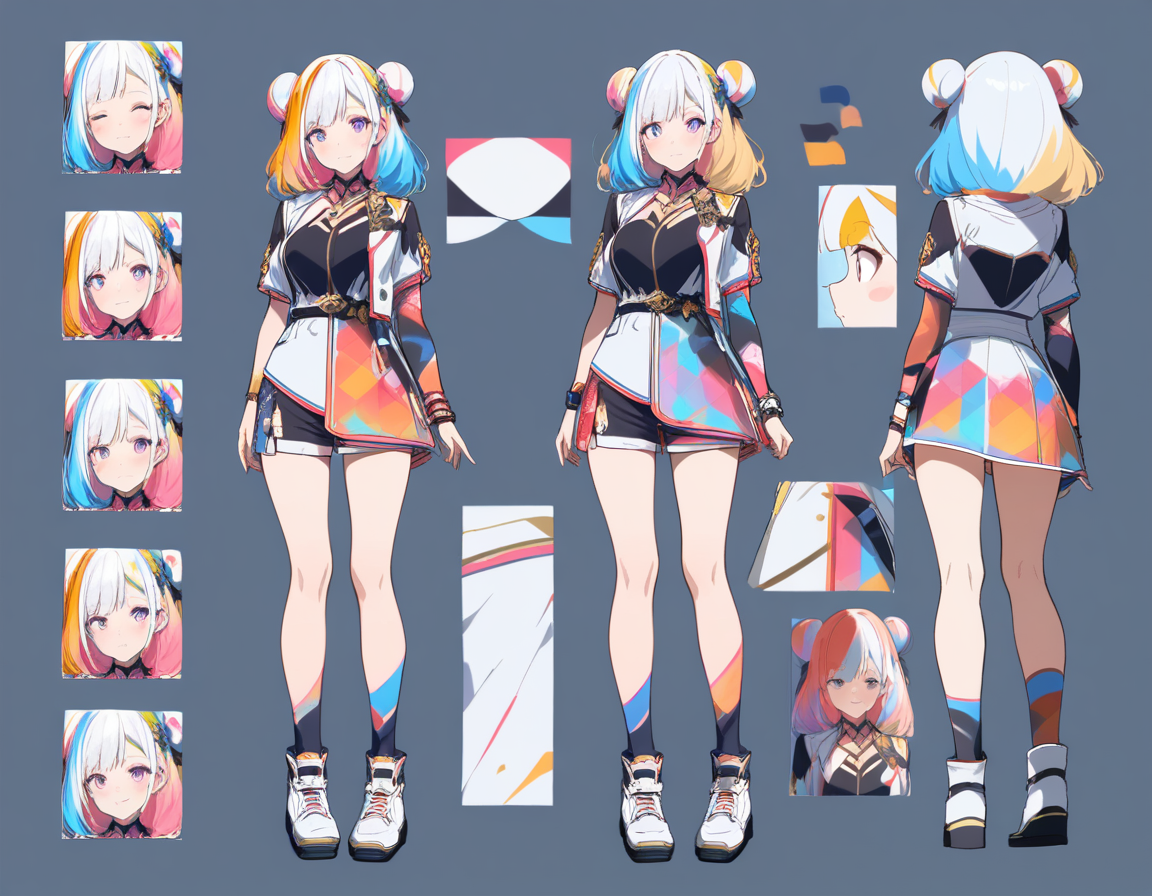
A reference sheet is the gold standard for communicating a character's design:
- Front view showing full body, all markings, and color placement
- Back view showing features not visible from the front
- Close-up of the face showing eye color, ear shape, and expression
- Color palette swatches with hex codes or color names
- Notes on special features --- "left horn is chipped," "scar across the right eye," "paw pads are pink"
Stickers and Emotes
Furry characters make excellent stickers and emotes because expressive features (ears, tails, muzzles) add emotional range:
- Happy/excited (perked ears, wide smile, wagging tail)
- Sad/disappointed (drooping ears, downcast eyes)
- Angry/frustrated (bared teeth, flat ears, bristled fur)
- Surprised/shocked (wide eyes, raised ears, puffed tail)
- Thinking/confused (head tilt, one ear up and one down)
- Laughing (closed eyes, open mouth, shaking posture)
Common Mistakes in Furry Character Design
| Mistake | Why It Fails | Better Approach |
|---|---|---|
| Species soup | Mixing too many species reads as confused | Pick one primary species, add accents from one other at most |
| Color overload | 5+ colors without hierarchy = hard to remember | Stick to 2-3 main colors |
| Ignoring species anatomy | Canine face on feline body looks off | Understand basic anatomy of your chosen species |
| Generic design | Solid-blue wolf with no markings gets lost | Add 2-3 design hooks that make it yours |
| Copying too closely | Designs too similar to Legoshi/Haida/Loona feel derivative | Use as style inspiration, not design templates |
Building Your Character Over Time
A fursona is not a one-time creation. It is a living design that evolves as you explore the character and your own relationship with it. Many furry community members have had the same fursona for years but refined the design dozens of times.
AI tools make this iterative process much faster:
- Start with a rough concept
- Generate it, see what works
- Adjust and generate again
- Save versions you like with Oniichan's character tools
- Over time, the character converges on something that feels genuinely yours
Start exploring with Oniichan's Furry AI Generator. Describe what you have been imagining, see it come to life, and iterate from there. Once your design is locked in, you can build a character reference sheet for consistency, or even create a full manga story featuring your fursona. The character is already in your head. The AI just helps you see it.
Ready to create your own character?
Turn your OC ideas into polished anime character art with consistent designs. No drawing skills needed.