Anime Character Reference Sheets: Why They Matter and How AI Generates Them
Character reference sheets are the secret to consistent manga and anime art. Learn what they are, why professional artists rely on them, and how Oniichan auto-generates them with AI.

If you have ever tried making a manga or comic with AI, you know the feeling. Page one looks amazing. Your protagonist has sharp amber eyes, messy dark hair, and a distinctive scar across her left cheek. You are thrilled. Then you generate page two, and suddenly she has brown eyes, neat hair, and the scar has migrated to her right cheek. By page five she is essentially a different character.
This is the character consistency problem, and it is the single biggest obstacle to creating real manga with AI. Individual images can be stunning. Sequential images of the same character are where everything falls apart.
Professional manga artists solved this problem decades ago with a deceptively simple tool: the character reference sheet. And understanding why it works reveals a lot about how AI manga generation should work.
What Is a Character Reference Sheet?
A character reference sheet -- also called a model sheet, character sheet, or turnaround sheet -- is a document that establishes the definitive visual design of a character. It typically includes:
| Element | What It Shows | Why It Matters |
|---|---|---|
| Multiple angles | Front, side, three-quarter, back views | Establishes 3D design for any angle |
| Facial expressions | Key emotions (happy, angry, surprised, sad) | Locks in how this specific face conveys emotion |
| Outfit details | Clothing, accessories, equipment | Prevents details from changing between pages |
| Color palette | Exact colors for hair, eyes, skin, clothing | Not "blue hair" but the specific shade of blue |
| Proportions | Height, body type, posture | Keeps character physically consistent |
| Distinguishing features | Scars, tattoos, birthmarks, accessories | Makes the character visually unique and recognizable |
How Professional Manga Studios Use Reference Sheets
In a professional manga studio, the reference sheet is created before a single page is drawn. The mangaka produces the sheet, and it becomes the source of truth for every subsequent drawing.
The Mangaka's Process
When a mangaka is developing a new series, character design comes early. Before they submit their first chapter to an editor, they have typically produced detailed reference sheets for every major character through multiple revisions.
💡 Tip: Practical reproducibility matters enormously. A character who looks incredible in a single detailed illustration but has a design so complex it takes twenty minutes to draw per panel is not a viable manga character. Reference sheets help find designs that are both visually interesting and reproducible across hundreds of pages.
The Assistant Workflow
Most professional manga is not drawn by one person. The mangaka typically handles key faces and dramatic panels, while assistants draw backgrounds, supporting characters, and less critical scenes.
Reference sheets make this division of labor possible. Every assistant has access to the character sheets and can draw the characters consistently without needing the mangaka to review every single panel.
Anime Production
In anime production, reference sheets become even more critical. A single anime episode might involve dozens of animators, each drawing different scenes. Anime model sheets are typically even more detailed than manga ones, including notes on line weights, shading conventions, and animation-specific details.
| Production Context | Reference Sheet Complexity | Users |
|---|---|---|
| Solo manga artist | Basic turnaround + expressions | Just the mangaka |
| Manga with assistants | Detailed views + outfit notes | Mangaka + assistant team |
| Anime production | Exhaustive with line weight specs | Dozens of animators |
| AI manga generation | Visual reference images | The generation system |
Why Character Sheets Are Essential for AI Manga
Now translate this to AI-generated manga. When you use a general-purpose image generator to create manga pages, each page generation is essentially working from scratch. You describe the character in text, and the AI interprets that description. But text descriptions are inherently ambiguous.
"Short blue hair" could mean a hundred different hairstyles. Each generation interprets the text slightly differently, and consistency drifts.
A character reference sheet solves this the same way it solves consistency in human-drawn manga: by providing a visual source of truth that is more precise than any text description could be.
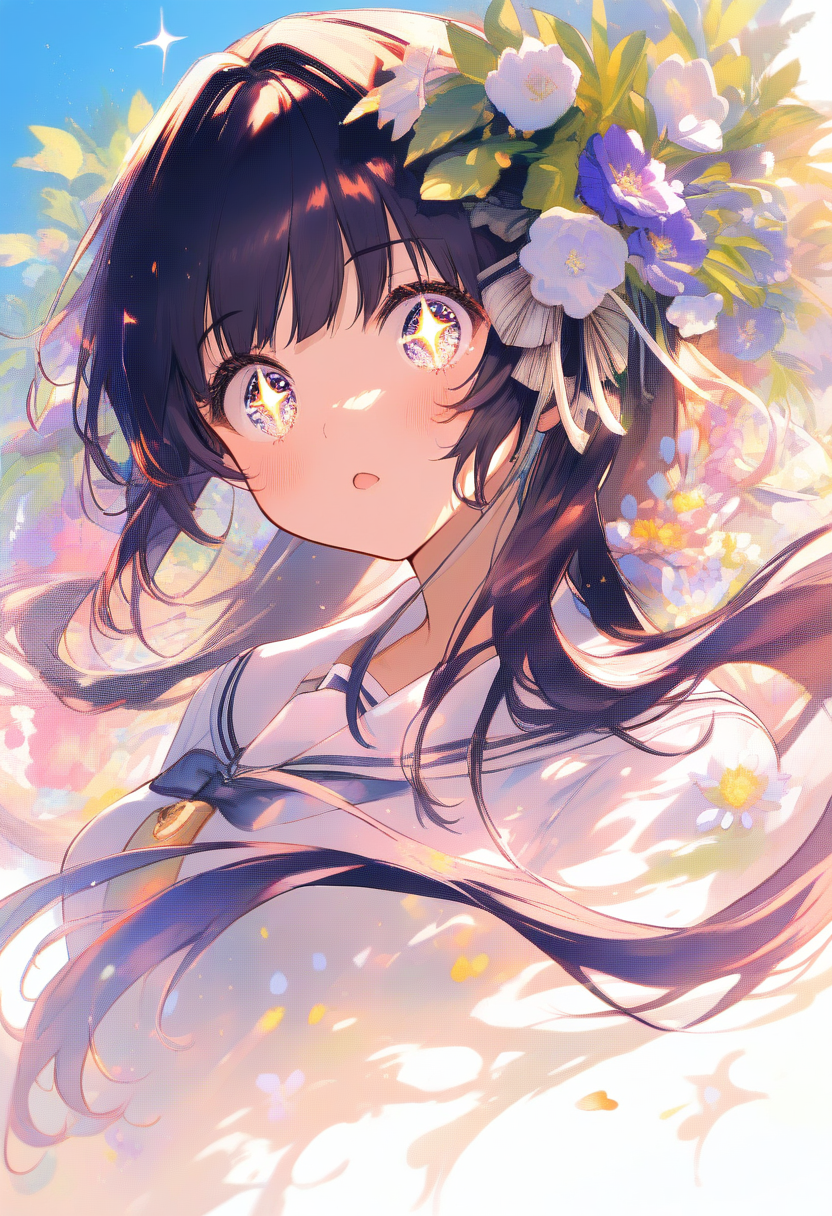
When Oniichan generates manga pages, it does not rely solely on text descriptions. It uses the actual character reference images as visual anchors. The generation system can see what the character looks like and reproduce that appearance consistently -- the same way a manga assistant would reference the model sheet pinned above their desk.
How Oniichan Auto-Generates Character Reference Sheets
Building character reference sheets manually is significant work, even for experienced artists. Oniichan's system automates this process as part of the manga creation pipeline.
During Outline Generation
When you create a manga project and generate an outline, the system produces character sheets automatically alongside the outline itself:
- You describe your characters in text -- appearance, personality, role in the story
- The system translates those descriptions into visual reference sheets
- Each character's design gets locked in before any pages generate
This happens automatically. No extra steps required.
The Generation Pipeline
The character sheets feed directly into page generation. When Oniichan renders a manga page, the active character references are included as inputs alongside:
- The scene description
- The world bible
- The previous page context
Editing and Refining
The auto-generated reference sheet is a starting point, not a final product. You can refine your characters using Oniichan's character editing tools:
- Generate variants -- If the first reference does not match your vision, try alternatives
- Edit specific features -- Change hair color, modify outfit, alter expression without regenerating from scratch
- Attach extra references -- Guide edits with an additional reference image
- Store multiple versions -- Keep different outfits or design directions, switch the active one
- Save to your library -- Reuse finalized characters across multiple manga projects

Tips for Creating Better Character Reference Sheets
Whether you are working with AI tools or traditional art, these principles will help you create more effective character references.
Be Specific in Your Descriptions
| Vague Description | Specific Description |
|---|---|
| "A cool-looking warrior" | "A tall, lean woman in her late twenties with a vertical scar over her right eye" |
| "Blue hair" | "Shoulder-length steel blue hair pulled back in a tight ponytail" |
| "Dark clothes" | "Dark leather armor with brass buckles, curved single-edged sword on her left hip" |
Every specific detail you provide is one less thing the AI has to guess at, and one more element that will remain consistent across pages. For a complete breakdown of character description techniques, see our prompt writing guide for AI manga generation.
Think About Silhouette
Great character designs are recognizable in silhouette. If you can identify the character just from their outline -- without color, without details -- the design is strong.
Include elements that create visual distinctiveness:
- Distinctive hairstyles
- Unique headwear
- Asymmetric clothing
- Unusual body proportions
- Signature weapons
💡 Tip: A character who is "average height with medium brown hair and a t-shirt" will be harder to maintain consistently than one with strong visual hooks. Give the AI -- and your readers -- something to grab onto.
Consider Practical Details
Think about your character's design from a manga production perspective:
- How does their hair move? Long flowing hair looks dramatic but creates consistency challenges. Decide on a default hair state.
- What are they always wearing? A consistent base outfit with occasional variations works best.
- What makes them instantly identifiable? Pick two or three signature visual elements that always appear.
Design for Your Story's Needs
A character's visual design should serve the story. Consider:
- What is this character's role?
- What first impression should readers get from their appearance?
- How does their design contrast with other characters in the cast?
- Does the design fit the world and genre?
Build Contrast Between Characters
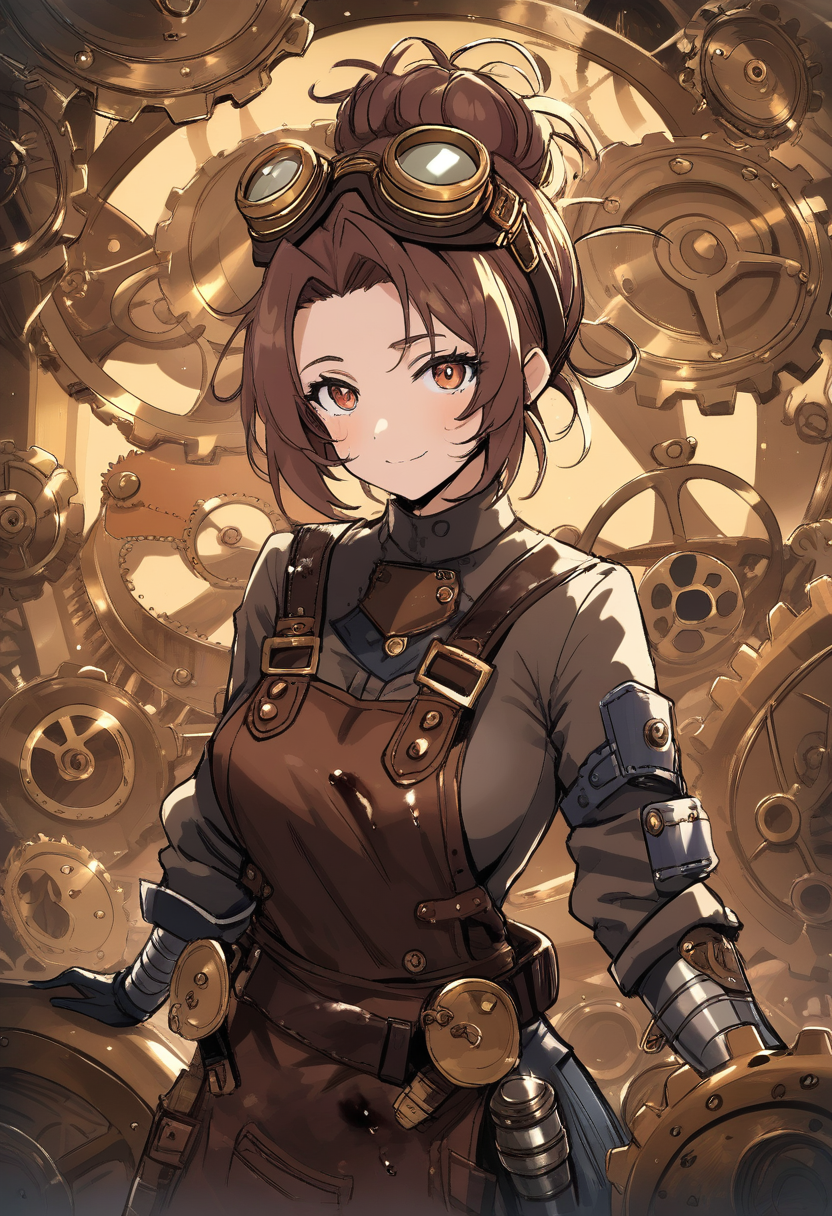
Your cast should be visually distinguishable at a glance. Vary:
- Hair colors and styles
- Body types and builds
- Clothing styles and palettes
- Silhouettes and poses
The Character Sheet as Creative Foundation
There is a reason character reference sheets have been standard practice in manga and anime production for decades. They are not bureaucratic overhead. They are the foundation that makes consistent sequential art possible.
In the AI manga generation context, they are even more critical:
- AI generation without visual references is working blind
- AI generation with strong character references is working with a professional-grade visual guide
If you are creating manga with AI and not using character reference sheets, you are making the process dramatically harder than it needs to be. And if you are using Oniichan, the system handles reference sheet creation automatically as part of the pipeline.
Design your characters once. Lock them in with reference sheets. Then let every page generation build on that visual foundation. That is how consistent manga gets made, whether the artist is human or AI. If you want to learn more about the full consistency system, read our deep dive on character consistency in AI manga.
Start creating your characters with Oniichan's AI character creator and see the consistency difference reference sheets make.
Ready to create your own character?
Turn your OC ideas into polished anime character art with consistent designs. No drawing skills needed.