 Oniichan
AI Anime Art Generator
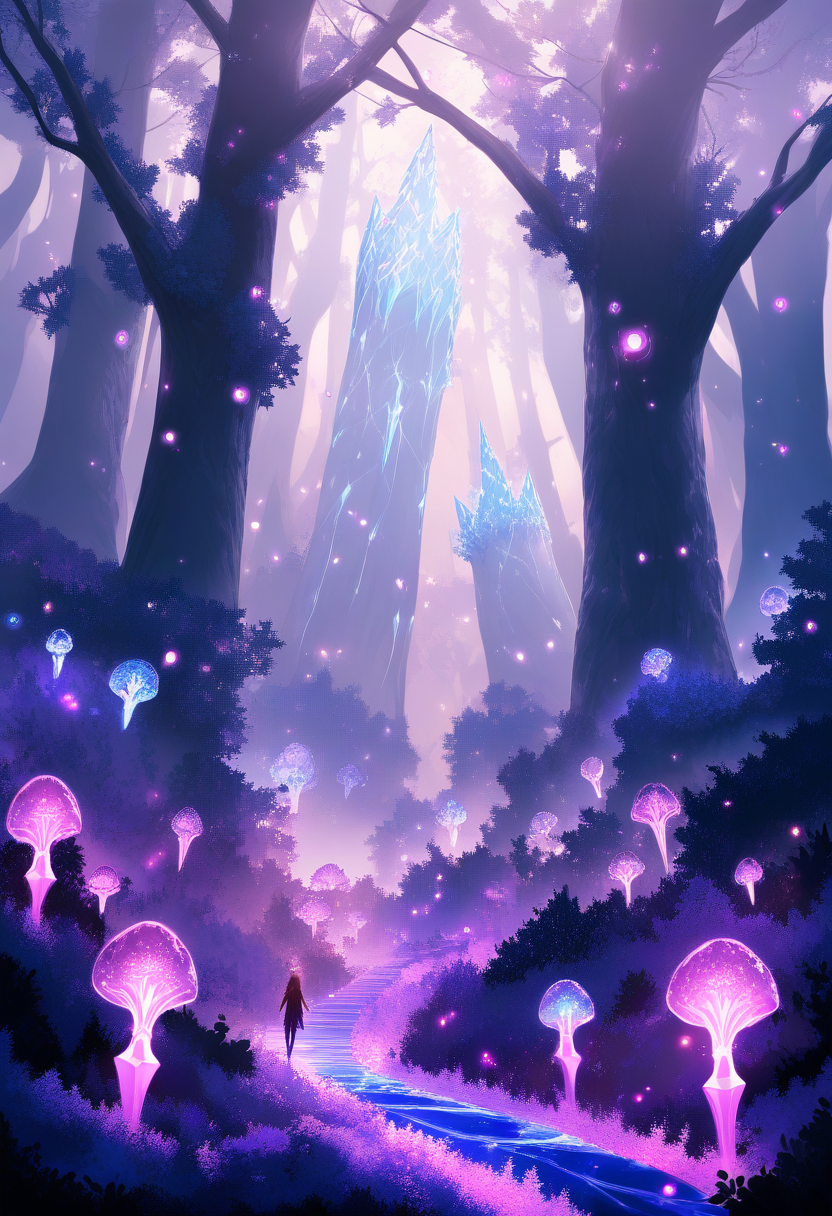
Anime coloring, spiky black hair, red eyes, open jacket, white t-shirt, jeans, hands in pockets, confident smirk
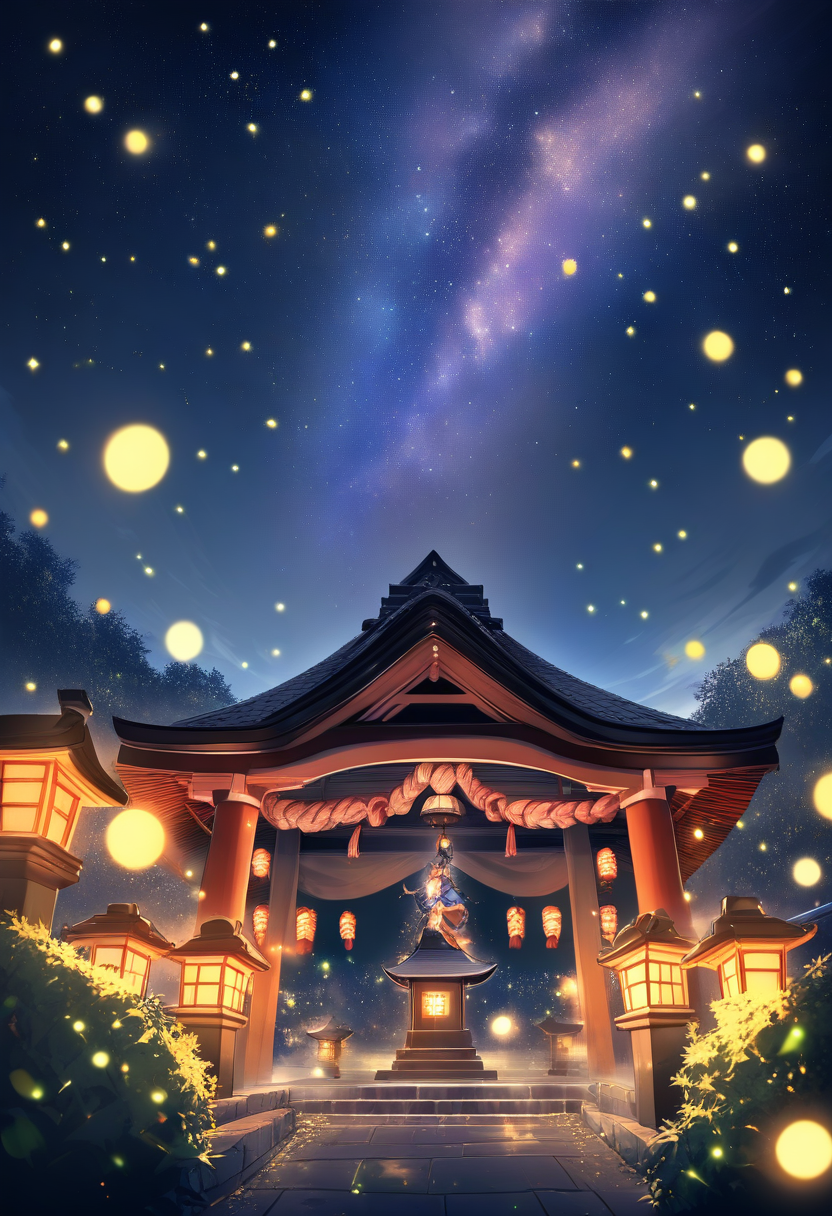
Anime coloring, long white hair in ponytail, golden eyes, traditional japanese clothing, hakama, holding wooden sword, serious expression
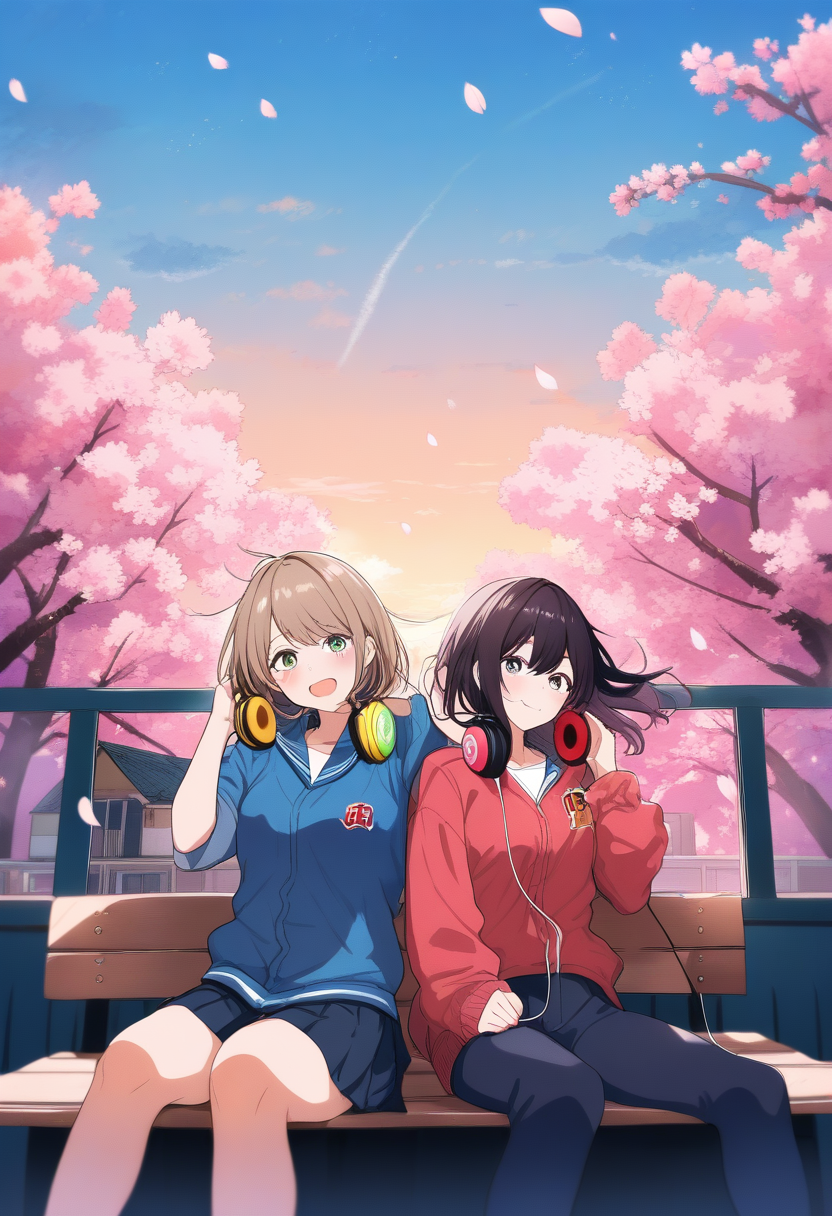
Anime coloring, silver twin tails, purple eyes, gothic lolita dress, black ribbons, holding parasol, elegant pose
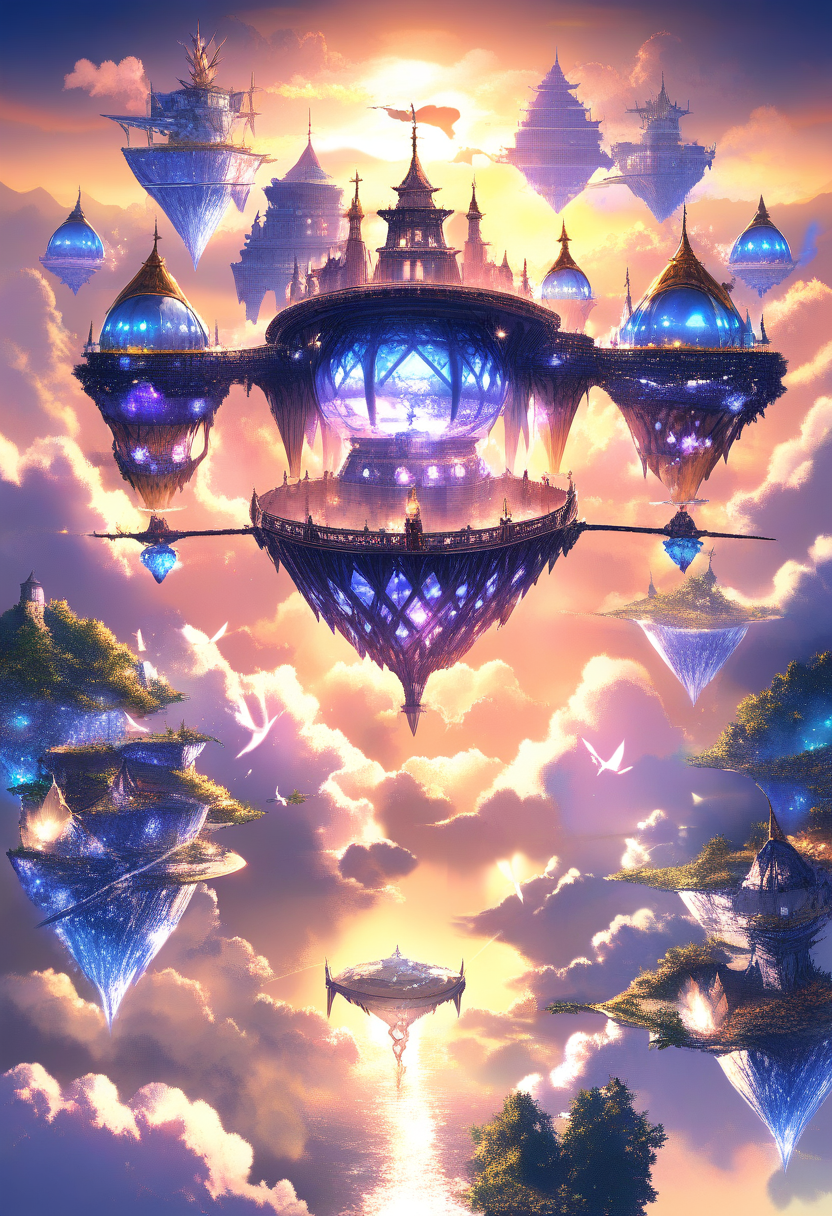
Anime coloring, wavy red hair, heterochromia, one blue eye one green eye, sundress, straw hat, holding flowers, gentle smile
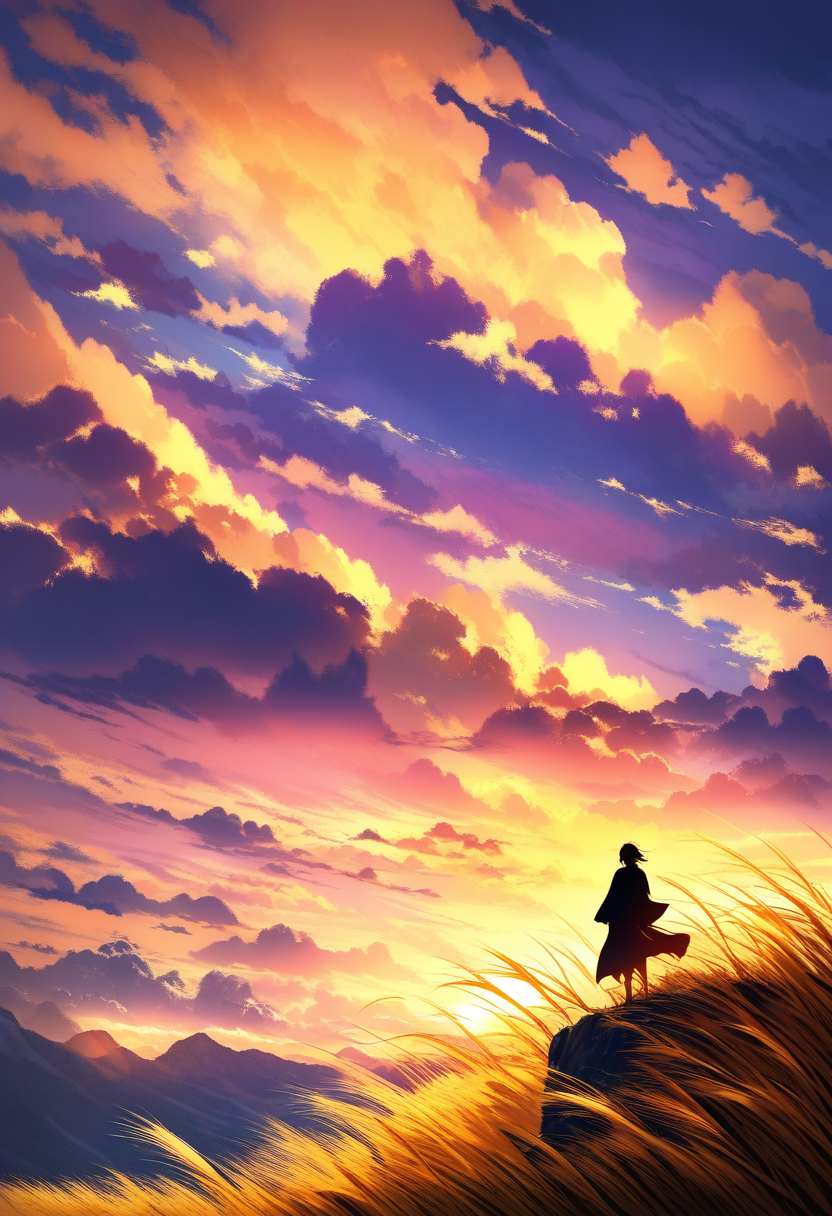
Anime coloring, long pink hair, blue eyes, sailor uniform, pleated skirt, standing on rooftop, wind blowing hair
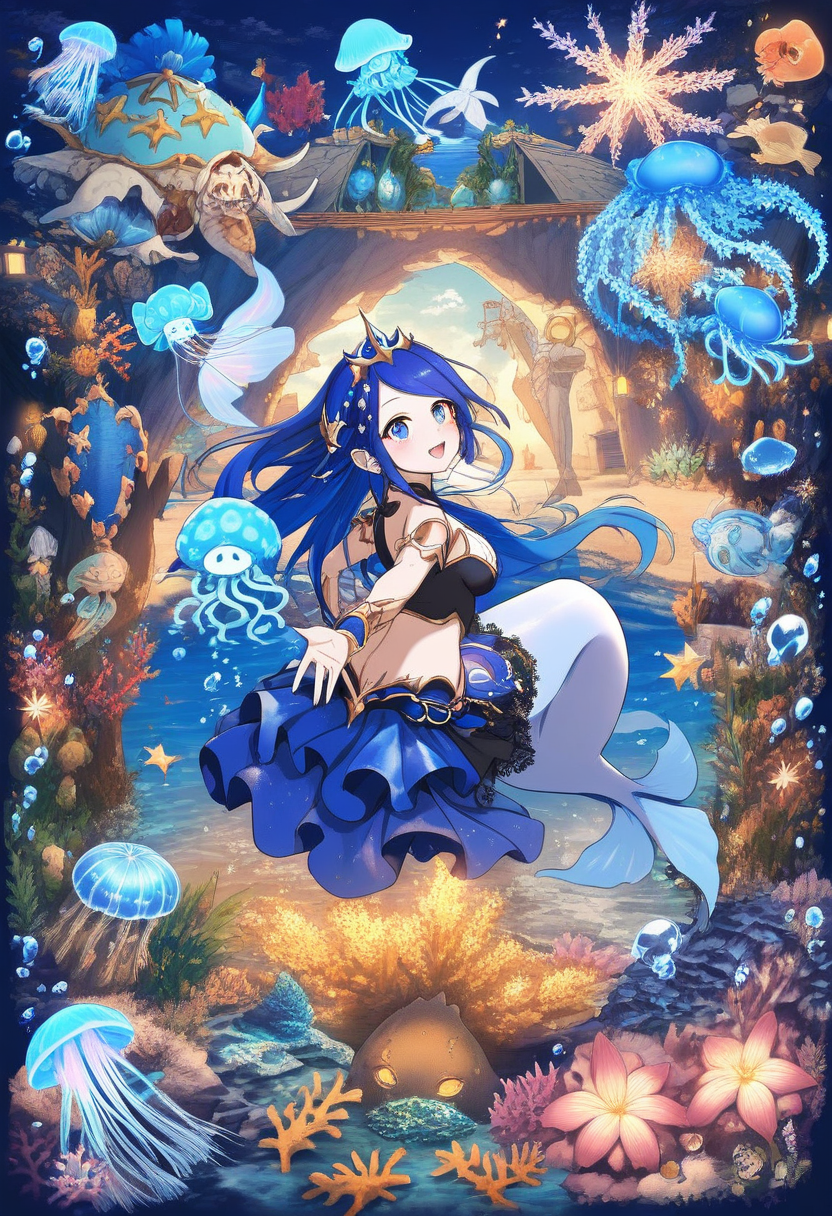
Anime coloring, short blue bob cut, amber eyes, oversized hoodie, thigh highs, headphones around neck, peace sign
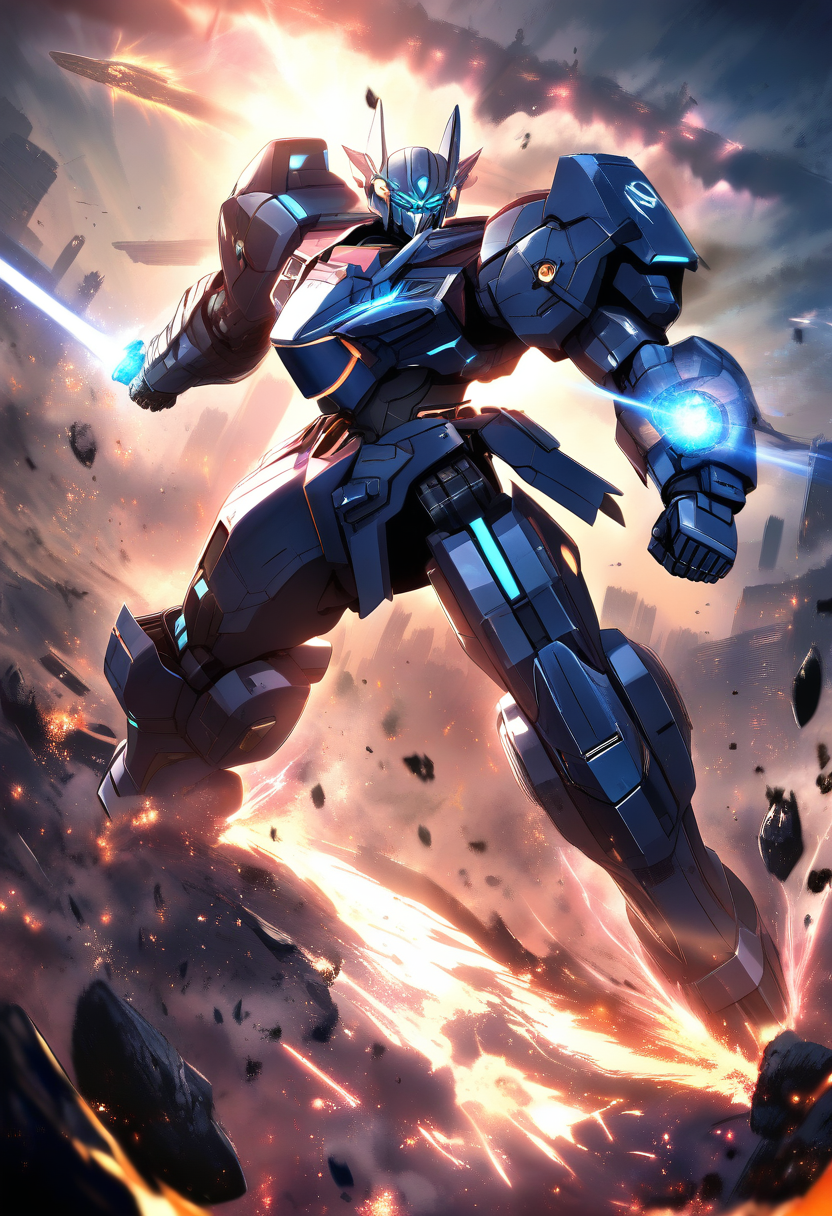
Anime coloring, messy brown hair, green eyes, school uniform, loosened tie, carrying bag over shoulder, casual stance
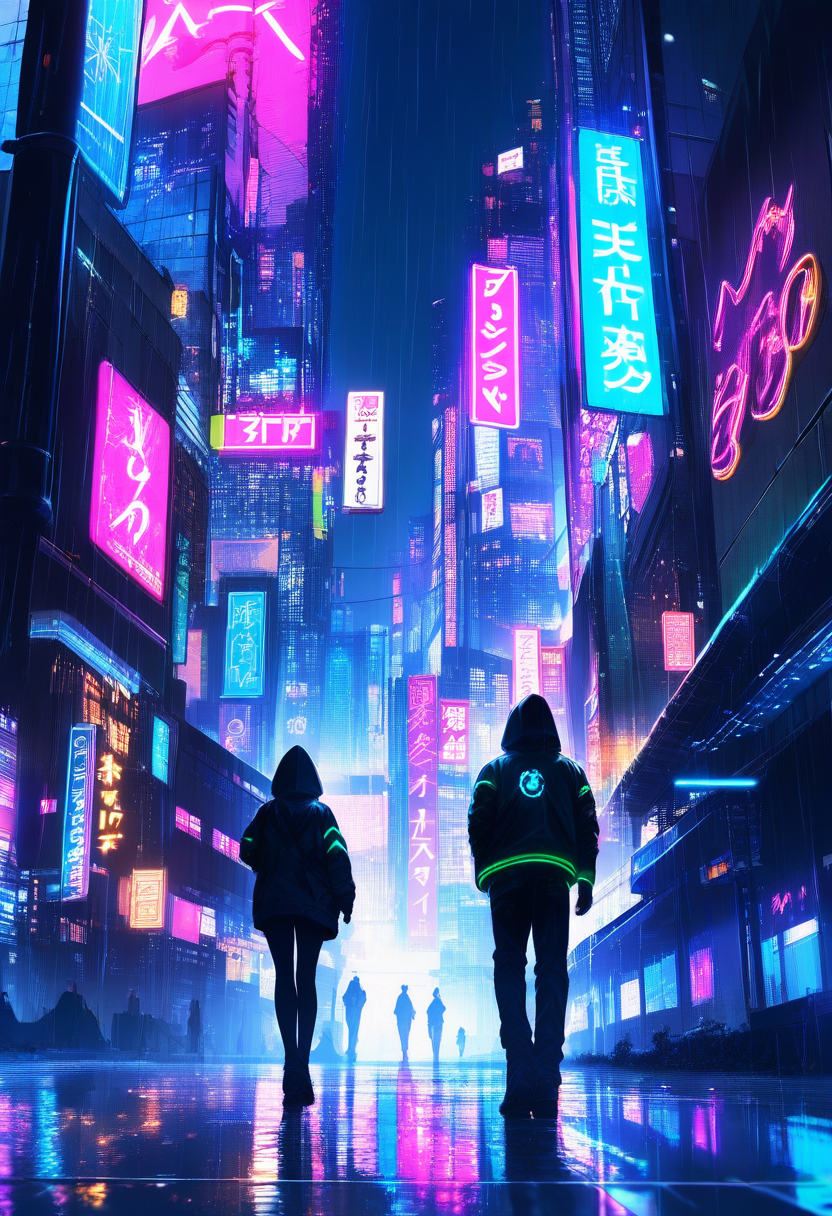
Anime coloring, short teal hair, glasses, lab coat over casual clothes, holding tablet, thoughtful expression
The Anime Style Guide: What Makes Anime Look Like Anime
Anime is not a single style. It is a family of visual conventions that evolved over seven decades of Japanese animation and manga publishing. When people say they want "anime art," they usually mean something specific — they just lack the vocabulary to describe it.
This ai anime art generator guide breaks down anime's visual DNA so you can prompt AI art generators with precision instead of guessing. Whether you are looking for the best ai anime generator or a free ai anime generator to experiment with, understanding these principles will dramatically improve your results.
The Core Visual Language
Every anime style shares a handful of foundational traits, regardless of sub-genre:
Large, expressive eyes. The defining feature. Anime eyes carry the emotional weight that Western animation distributes across the entire face. The size, shape, and highlight placement in the eyes communicate personality before a character speaks a single word. Round, sparkle-heavy eyes read as innocent. Narrow, low-highlight eyes read as calculating or mature.
Simplified nose and mouth. Anime faces trade anatomical accuracy for readability. The nose is often a single line, a small wedge, or absent entirely in distant shots. The mouth sits lower than realistic proportion would suggest. This simplification is intentional — it forces the viewer's attention to the eyes.
Hair as architecture. Anime hair defies physics on purpose. It exists in sculpted shapes that function as a character's silhouette signature. You should be able to identify a character from their hair outline alone. Spikes, drills, ribbons, and gravity-defying bangs all serve the same function: instant recognition.
Flat shading with cel boundaries. Traditional anime uses hard-edged shadow shapes rather than smooth gradients. A shadow on the cheek is a single defined shape, not a soft falloff. This comes directly from the cel animation pipeline where each color was a separate painted layer.
Sub-Style Breakdown
The difference between a shoujo heroine and a seinen protagonist is not just content — it is a completely different visual grammar.
Shoujo (Girls' Manga Aesthetic)
- Tall, willowy figure proportions (8-9 heads tall)
- Eyes occupy up to a third of the face, loaded with highlights and flower/star reflections
- Backgrounds dissolve into abstract patterns: roses, bubbles, sparkles, screentone gradients
- Lines are thin and flowing, with minimal hard angles
- Color palettes lean pastel: lavender, soft pink, cream, sky blue
- Hair moves like it is underwater — flowing, layered, always in gentle motion
Prompt keywords: shoujo, flowery background, sparkling eyes, delicate linework, pastel palette, bishounen, soft focus
Shounen (Boys' Manga Aesthetic)
- Athletic proportions, squared jawlines on male characters
- Eyes are wide but sharper-edged, with fewer internal highlights
- Speed lines, impact frames, and radial blur replace decorative backgrounds
- Heavier line weight, especially on outlines and action poses
- High-contrast shading: deep blacks against bright highlights
- Dynamic poses dominate — characters are almost never standing still
Prompt keywords: shounen, dynamic pose, speed lines, bold outlines, high contrast, battle stance, intense expression
Seinen (Young Adult Aesthetic)
- Realistic proportions (6-7 heads tall), less stylized faces
- Smaller eyes relative to face size, subtle or absent highlights
- Detailed backgrounds with architectural accuracy
- Cross-hatching and textured shading instead of flat screentone
- Muted, desaturated color palettes
- Characters often in neutral poses — the environment tells the story
Prompt keywords: seinen, realistic proportions, detailed background, muted palette, cross-hatching, atmospheric lighting
Josei (Women's Manga Aesthetic)
- Similar to seinen in proportion realism, but with softer line weight
- Eyes are realistic in size but retain decorative iris detail
- Fashion-forward character design — outfits are specific and contemporary
- Panel layouts favor close-ups of faces and hands
- Emotional nuance over action: the art lives in micro-expressions
Prompt keywords: josei, fashion-detailed, soft shading, close-up composition, contemporary clothing, subtle expression
Color Theory in Anime
Anime has its own color conventions that differ from Western illustration:
| Element | Convention |
|---|---|
| Hair color | Signals personality, not genetics. Pink = energetic. Blue = calm/mysterious. Black = serious. Blonde = foreign or special. |
| Eye color | Often matches or complements hair. Heterochromia signals supernatural origin or hidden power. |
| Skin tone | Traditional anime uses a narrow range. Modern productions are increasingly diverse — specify in your prompt. |
| Background color | Emotional temperature. Warm orange = nostalgia. Cold blue = loneliness. Red = danger or passion. |
| Magic/power effects | Each character gets a signature color for their abilities. Consistency matters more than the actual hue. |
Prompt Engineering for Anime Styles
Generic prompts produce generic anime. Targeted prompts produce specific styles. Here is a framework:
Layer 1 — Subject: Who or what. "1girl, long silver hair, red eyes, school uniform"
Layer 2 — Style modifier: Which anime tradition. "shoujo style, soft linework, pastel shading"
Layer 3 — Composition: How it is framed. "upper body, three-quarter view, wind blowing hair left"
Layer 4 — Atmosphere: The emotional tone. "golden hour lighting, cherry blossom petals, melancholic expression"
Layer 5 — Technical: Rendering specifics. "cel shading, clean lineart, high detail, masterpiece"
Stacking all five layers produces results that look intentional rather than randomly generated.
Common Pitfalls and How to Fix Them
Problem: Characters look generic. Fix: Add specific accessory details. A scar, a particular earring, mismatched socks, a bandaged hand. Small asymmetries make characters memorable.
Problem: "Anime" prompt produces chibi or super-deformed results. Fix: Specify proportions explicitly. "Full body, 7 head proportions, realistic anatomy" steers away from chibi.
Problem: Colors are muddy or desaturated when you wanted vibrant. Fix: Name specific colors. "Crimson red jacket" beats "red jacket." Add "vivid colors, high saturation" as style modifiers.
Problem: Background is blank or abstract when you wanted a scene. Fix: Describe the environment with the same specificity as the character. "Classroom with late afternoon sun streaming through windows, dust motes visible in light beams" gives the AI something concrete to render.
Seasonal and Thematic Conventions
Anime art leans heavily on visual shorthand for time and setting:
- Spring: Cherry blossoms (sakura), new school uniforms, soft pink-white palette
- Summer: Festivals (yukata, lanterns, fireworks), beach episodes, saturated blues and oranges
- Autumn: Red maple leaves (momiji), school cultural festivals, warm amber tones
- Winter: Snow, scarves and coats, breath visible in cold air, cool blue-white palette
- Night scenes: Blue-shifted everything, warm window light as contrast, starfields or city lights
Including seasonal cues in your prompt instantly grounds a character in a specific moment and mood, transforming a portrait into a scene.
Moving Beyond Defaults
The most common mistake with any ai art generator anime tool is stopping at the first generation. Professional illustrators iterate — and so should you. Generate a batch, identify which variant captures the right energy, then refine that specific direction with more precise prompts.
Treat the anime art maker as a sketch assistant, not a finished-art machine. The first output is a draft. The final piece emerges through directed iteration.
Related Tools
Anime AI Generator
Generate anime-style images and artwork from text descriptions.
AI Character Creator
Design original anime characters with unique outfits, hairstyles, and expressions.
AI Illustration Generator
Generate detailed anime and manga-style illustrations from text descriptions.
AI Waifu Generator
Generate beautiful anime waifu characters with unique designs and personalities.
Photo to Anime
Transform real photos into anime-style artwork with AI conversion.
Start Creating Anime Art Today
Transform your ideas into stunning anime artwork. Try the AI Anime Art Generator now and discover how easy it is to create professional-quality anime illustrations!
Create Anime Art Free