ChatGPT vs AI Manga Generators: Which Is Better for Anime Art?
Can ChatGPT make anime art and manga? We compare ChatGPT and DALL-E with dedicated AI manga tools like Oniichan to find out which is better for creating consistent manga pages.

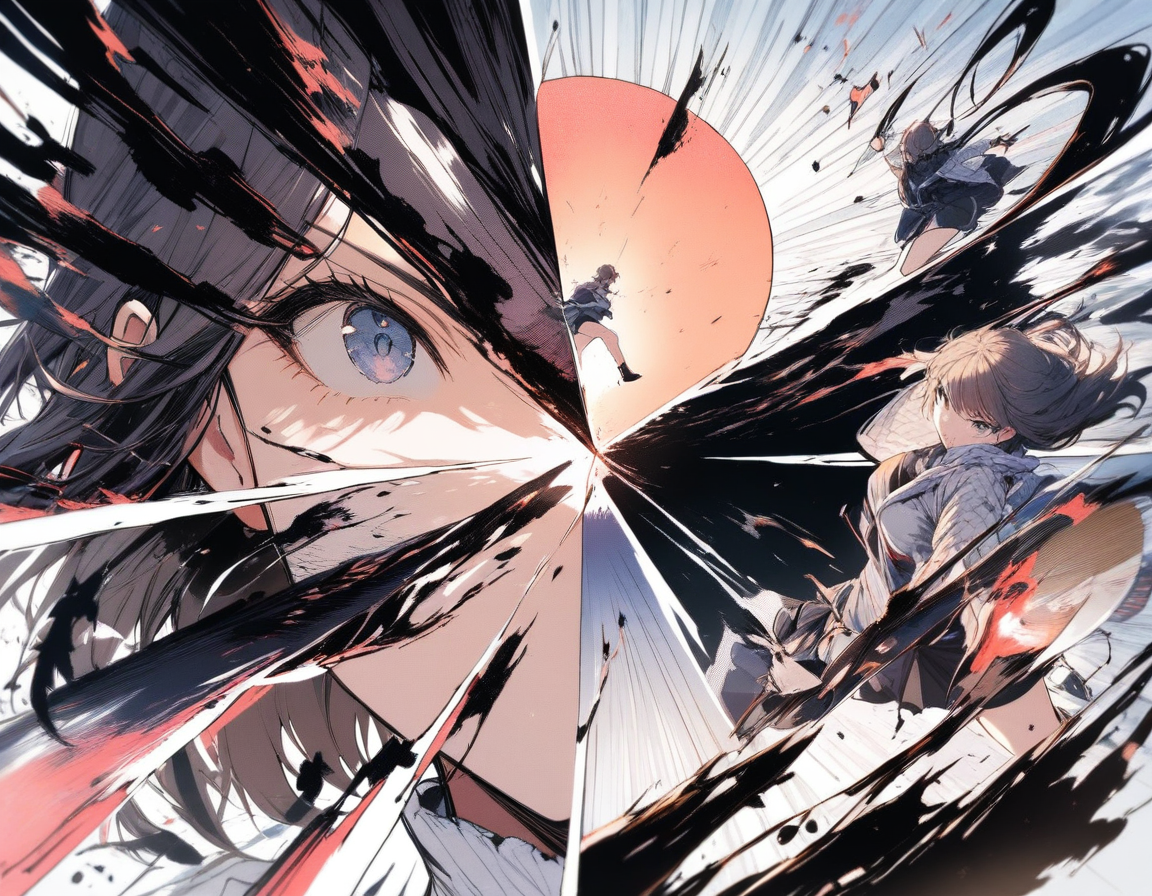
Every week someone posts a ChatGPT-generated anime character on social media and it goes viral. The comments fill up with "wait, ChatGPT can draw now?" and "is AI going to replace manga artists?" And honestly, the single images look impressive. ChatGPT's image generation through DALL-E has gotten remarkably good at producing anime-style illustrations.
But here is the thing nobody in those comment sections is asking: can ChatGPT actually make a manga? Not a single pretty picture. A manga. Multiple pages, consistent characters, proper panel layouts, sequential storytelling. The kind of thing you would actually read.
We tested this extensively. The answer is nuanced, and it tells you a lot about what different AI tools are actually built for.
What ChatGPT Does Well
Let us give credit where it is due. ChatGPT is genuinely useful for manga creators, just not in the way most people assume.
Story and World Building
ChatGPT is one of the best brainstorming partners available for story development. You can describe a vague concept -- "a school for students who can manipulate sound" -- and ChatGPT will help you:
- Flesh out the world and its rules
- Develop characters with backstories and motivations
- Build conflict and suggest plot arcs
- Identify narrative holes you had not considered
- Write dialogue and chapter outlines
For the writing side of manga creation, it is genuinely excellent.
Single Character Illustrations
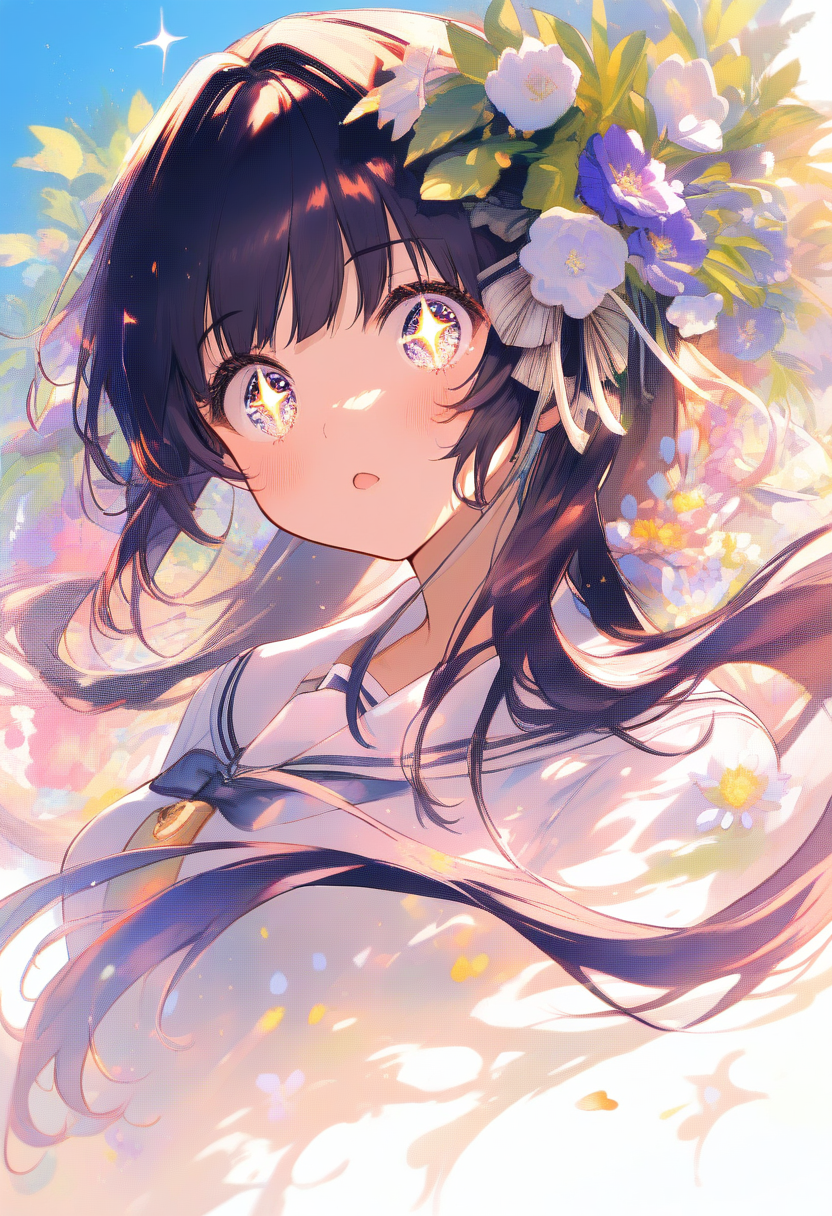
When you ask ChatGPT to generate anime-style character art, the results can be striking. DALL-E handles anime aesthetics reasonably well. Hair styles, eye designs, outfit details, and color palettes all come through clearly in single illustrations.
Scene Descriptions
ChatGPT excels at translating abstract story beats into concrete visual descriptions. If you tell it "I need a dramatic confrontation scene between two rivals at sunset on a rooftop," it can generate a vivid description of the composition, lighting, character poses, and emotional beats. These descriptions can then be used as prompts for dedicated art generation tools.
Where ChatGPT Falls Apart for Manga
Here is where the gap between "can generate anime images" and "can make manga" becomes a canyon.
Character Consistency Is Nonexistent
Ask ChatGPT to draw your protagonist on page one. Great, she has short blue hair, sharp eyes, and a school uniform with a red tie. Now ask it to draw the same character on page two. Suddenly the hair is a slightly different shade, the eyes are rounder, the tie is gone, and she looks like a different person entirely.
You can describe the character in painstaking detail each time, and you will still get drift. This is not a ChatGPT-specific problem -- it is a fundamental limitation of general-purpose image generators when applied to sequential art. We explain the full solution in our article on character consistency in AI manga.
No Panel Layout System
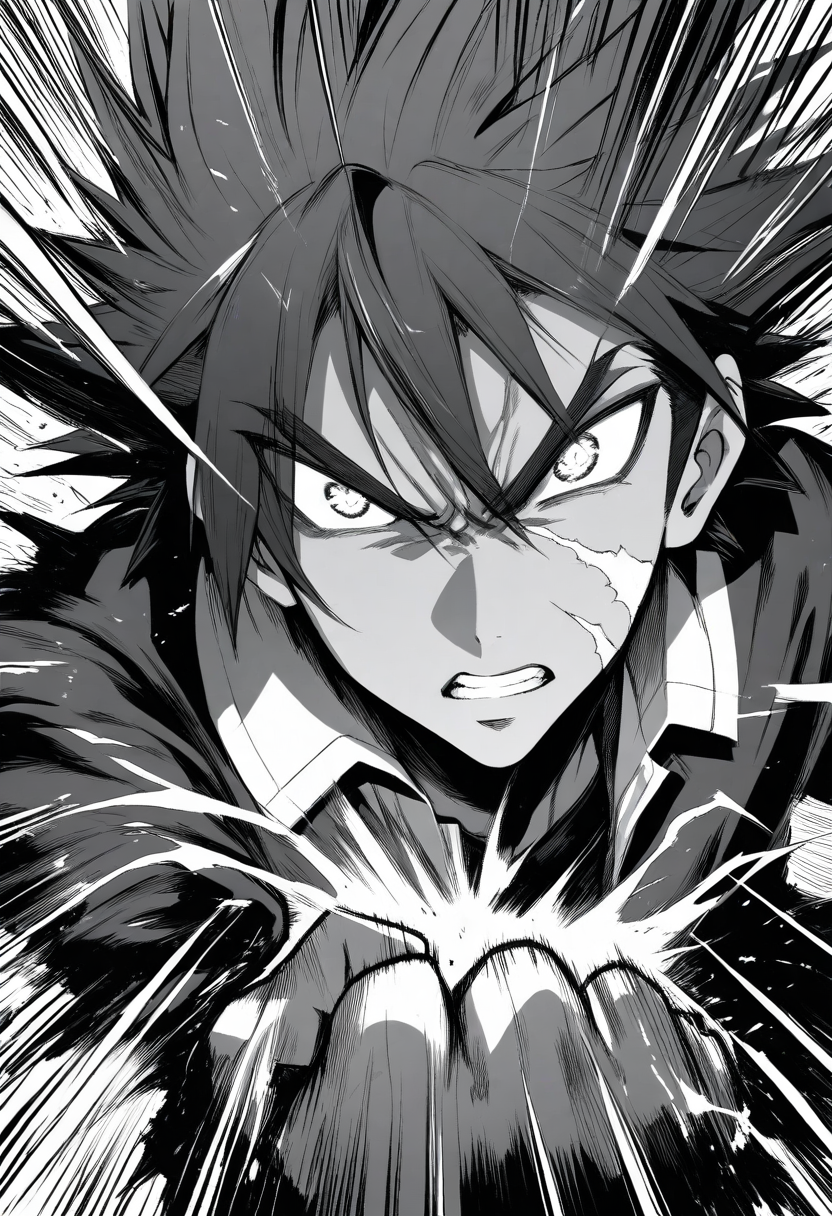
Manga panels are not just rectangles on a page. The way panels are arranged, sized, and sequenced is a core part of manga storytelling:
- A large panel commands attention
- Narrow vertical panels create a sense of speed
- Overlapping panels suggest simultaneous action
- Breaking the panel border signals a dramatic moment
ChatGPT has no concept of any of this. You can ask it to generate "a manga page," but you have zero control over the layout.
No Page-to-Page Continuity
Sequential storytelling requires that each page exists in context with the ones before and after it. The last panel of page five should visually connect to the first panel of page six. Characters should be in consistent positions. Backgrounds should match.
ChatGPT treats every image as an isolated generation. There is no awareness of what came before. Each page exists in a vacuum.
Text and Dialogue Placement
ChatGPT's image generation handles text poorly. Letters get garbled, placement is random, and the results rarely look like actual manga dialogue. You would need to add all text manually in post-production.
What Dedicated AI Manga Tools Do Differently
This is where tools specifically built for manga creation -- like Oniichan -- take a fundamentally different approach.
| Capability | ChatGPT/DALL-E | Dedicated Manga Tools |
|---|---|---|
| Single anime illustration | Good | Good |
| Character consistency across pages | No system | Reference sheet-based |
| Panel layout control | None | Multiple layout options |
| Page-to-page continuity | None | Context-aware generation |
| Panel-level editing | Not possible | Built-in |
| Sequential storytelling | Not designed for it | Core feature |
Character Reference Systems
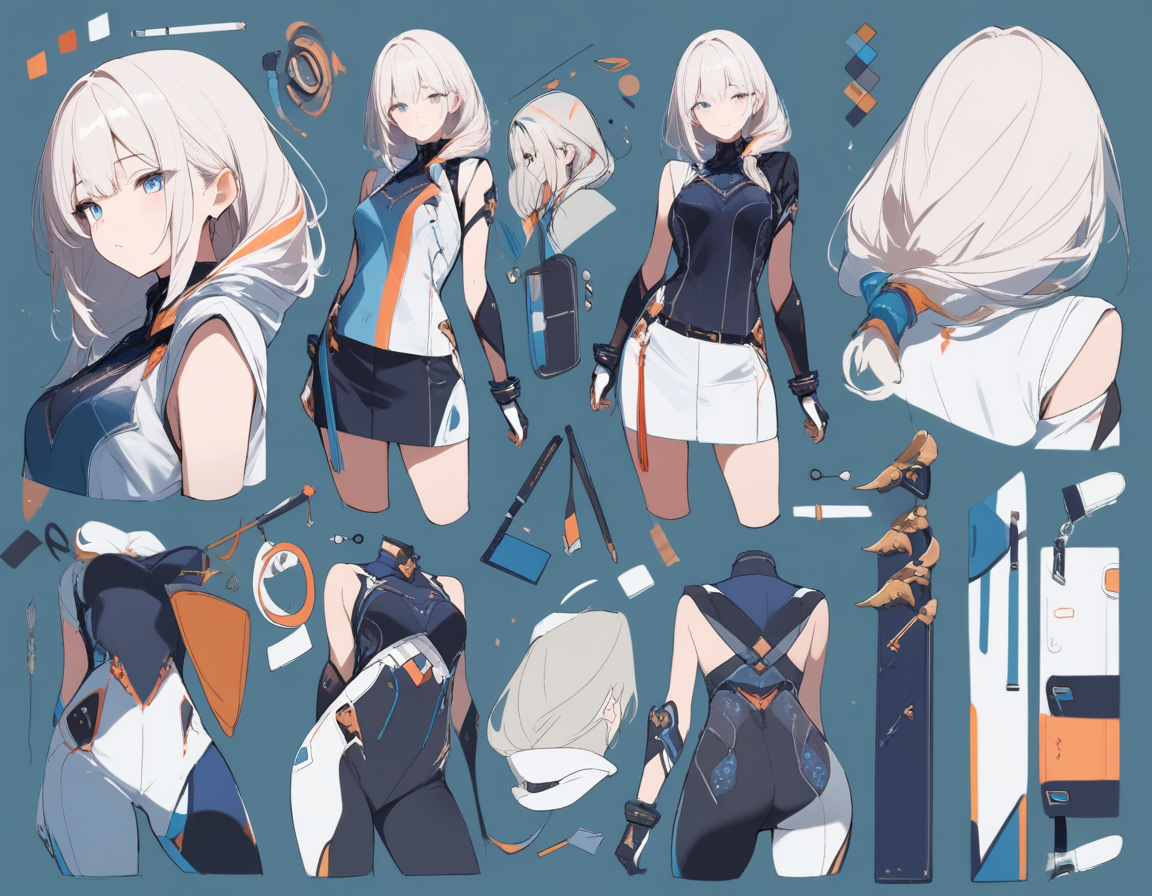
The character consistency problem is not unsolvable. It just requires a system designed around it. Oniichan's character creator generates reference sheets for your characters before you start making pages. These sheets establish the canonical look for each character, and every subsequent page generation uses those references to maintain consistency.
💡 Tip: This is how professional manga studios work. Character model sheets exist specifically so that every artist on the team draws the same character the same way. AI manga tools bring this same principle to automated generation.
Purpose-Built Panel Layouts
Dedicated manga tools understand that panel layout is storytelling. Oniichan offers multiple layout options designed around specific narrative needs:
- Full-page splash for dramatic reveals
- Vertical two-panel split for parallel moments
- Four-grid layout for quick sequential action
- Top-focus layout for establishing shots
You choose the layout that serves your story, and the tool generates art that fits within that structure.
Sequential Page Generation
Real manga tools maintain context between pages. When generating page six, Oniichan considers:
- The outline for the current page
- The previous page's scene description
- The previous page's actual image
- The world bible
- Active character references
This means the visual narrative flows naturally. Characters stay in consistent environments. Scene transitions make sense.
Integrated Editing
No AI generation is perfect on the first try. Dedicated tools build editing into the workflow:
- Edit individual panels without regenerating the entire page
- Masked local edits to fix specific regions
- Regenerate a single page while keeping the rest of the chapter intact
The Best Workflow: Use Both
Here is what we actually recommend, and it might surprise you coming from a manga generation tool. ChatGPT and dedicated manga generators are not competitors. They are complementary tools that handle different parts of the creation process.
Step 1: Brainstorm with ChatGPT
Use ChatGPT for what it is best at. Develop your story concept. Flesh out characters. Outline your plot. Write dialogue. Build your world. ChatGPT is an exceptional creative writing partner.
Step 2: Structure with Oniichan
Take your story concept to Oniichan's outline generator. The AI will structure your narrative into page-by-page scenes, create a world bible, and organize the story into a format optimized for visual storytelling.
Step 3: Generate Character References
Use Oniichan's character creator to generate reference sheets for your cast. These lock in the visual identity of each character before you start generating pages.
💡 Tip: If you are working with specific franchise characters, Oniichan also has dedicated OC makers for popular series that understand the visual language of those universes.
Step 4: Generate and Edit Pages
Generate your manga pages with full context -- outline, character references, world bible, and page-to-page continuity. Then use the panel editor to refine individual panels and polish the final product.
Step 5: Share
When your manga is ready, use Oniichan's sharing and presentation features to publish it. Share publicly, present pages one at a time, or export for posting elsewhere.
A Direct Comparison
Here is how the two approaches stack up on the things that matter for manga creation:
| Feature | ChatGPT | Dedicated Manga Tools | Winner |
|---|---|---|---|
| Story development | Excellent | Not the focus | ChatGPT |
| Single character art | Good | Good + consistency | Roughly even |
| Character consistency | No system | Reference-based | Manga tools |
| Panel layouts | None | Multiple options | Manga tools |
| Page continuity | None | Context-aware | Manga tools |
| Editing/refinement | Not possible | Panel + region editing | Manga tools |
| Full chapter speed | Very slow, inconsistent | Streamlined pipeline | Manga tools |
| Cost | $20/mo (limited gens) | Varies by tool | Depends on usage |
Can ChatGPT Make Anime Art?
Yes, absolutely. ChatGPT can generate attractive anime-style single illustrations. If you need a character concept, a scene visualization, or a standalone piece of anime art, ChatGPT is a viable option.
Can ChatGPT make manga? No. Not in any meaningful sense. The fundamental requirements of manga -- character consistency, panel layouts, sequential storytelling, page-to-page continuity -- are not things a general-purpose chatbot with image generation bolted on can handle.
This is not a criticism of ChatGPT. It was never designed for this. It is a large language model with image generation capabilities. Asking it to produce sequential manga is like asking a calculator to write poetry. The underlying architecture is not built for the task.
The Takeaway
Use the right tool for the right job:
- Story and writing: ChatGPT
- Visual production: Dedicated manga tools like Oniichan
- Best results: Both together
The creators getting the best results are the ones using both. Story development in ChatGPT, visual production in purpose-built manga tools. That combination gives you the best of both worlds: sophisticated narrative development and consistent, professional-looking manga output.
For a broader look at how different tools compare, check out our best AI manga generators comparison. Ready to see the difference a dedicated manga tool makes? Try Oniichan's AI manga generator and bring your story to life with consistent characters, proper panel layouts, and real sequential storytelling.
Ready to create your own character?
Turn your OC ideas into polished anime character art with consistent designs. No drawing skills needed.