치비 메이커
치비 메이커
The Chibi Maker Conversion Guide
Chibi is not "small character." It is a complete redesign language with its own anatomy rules, expression grammar, and visual logic. A properly executed chibi—whether created with an AI chibi maker or drawn by hand—is not a shrunk-down version of a full character. It is a translation of that character into a different visual dialect. This chibi generator guide covers everything you need to build a chibi character maker workflow.
Chibi Proportions: The Math
Normal anime characters are 6-8 heads tall. Chibi characters are 2-3 heads tall. That single change cascades through every other design decision.
2-head chibi (super-deformed): The head is exactly half the total body height. Legs are stubs. Arms are short tubes. The torso is barely a connector between the head and the legs. This is the most extreme chibi form—maximum cute, minimum anatomy. Works best for emotes, stickers, and comedy.
2.5-head chibi: The most common chibi proportion. The head is still dominant but the body has enough room for a recognizable torso and short but distinct limbs. Hands can have fingers (usually simplified to a mitten shape or three-finger hand). This is the sweet spot for most use cases.
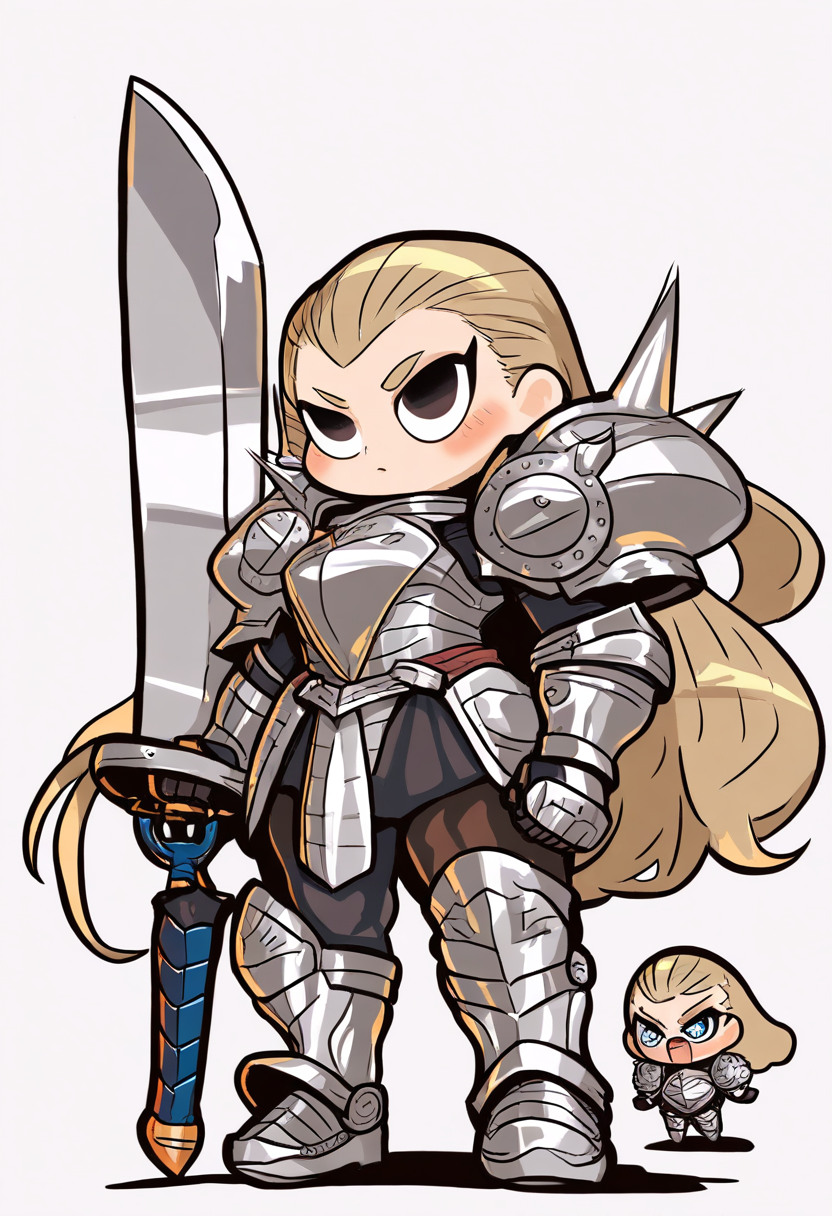
3-head chibi: The mildest chibi. Proportions are clearly stylized but the character retains more anatomical structure. Joints are visible. Hands can be somewhat detailed. This proportion works for chibi illustrations that need to carry narrative weight—the character can hold objects, gesture meaningfully, and interact with environments.
What Changes (And What Does Not)
When converting a full character to chibi, some elements transform and others must stay identical.
MUST change:
- Body proportions (head-to-body ratio)
- Hand and foot size (simplified, enlarged relative to body)
- Joint articulation (reduced—chibi limbs are tubes, not anatomical)
- Facial feature placement (eyes take up more of the face, mouth drops lower)
Must NOT change:
- Hair style and color (the primary identifier)
- Eye color and basic shape (simplified but recognizable)
- Outfit design and color palette (the secondary identifier)
- Signature accessories (if anything, make them MORE prominent)
- Overall color scheme
The rule: a viewer who knows the full character should immediately recognize the chibi version. If they cannot, you changed too much.
Chibi Expression Exaggeration
Chibi expressions operate at 200% intensity compared to normal anime expressions. Subtlety has no place here.
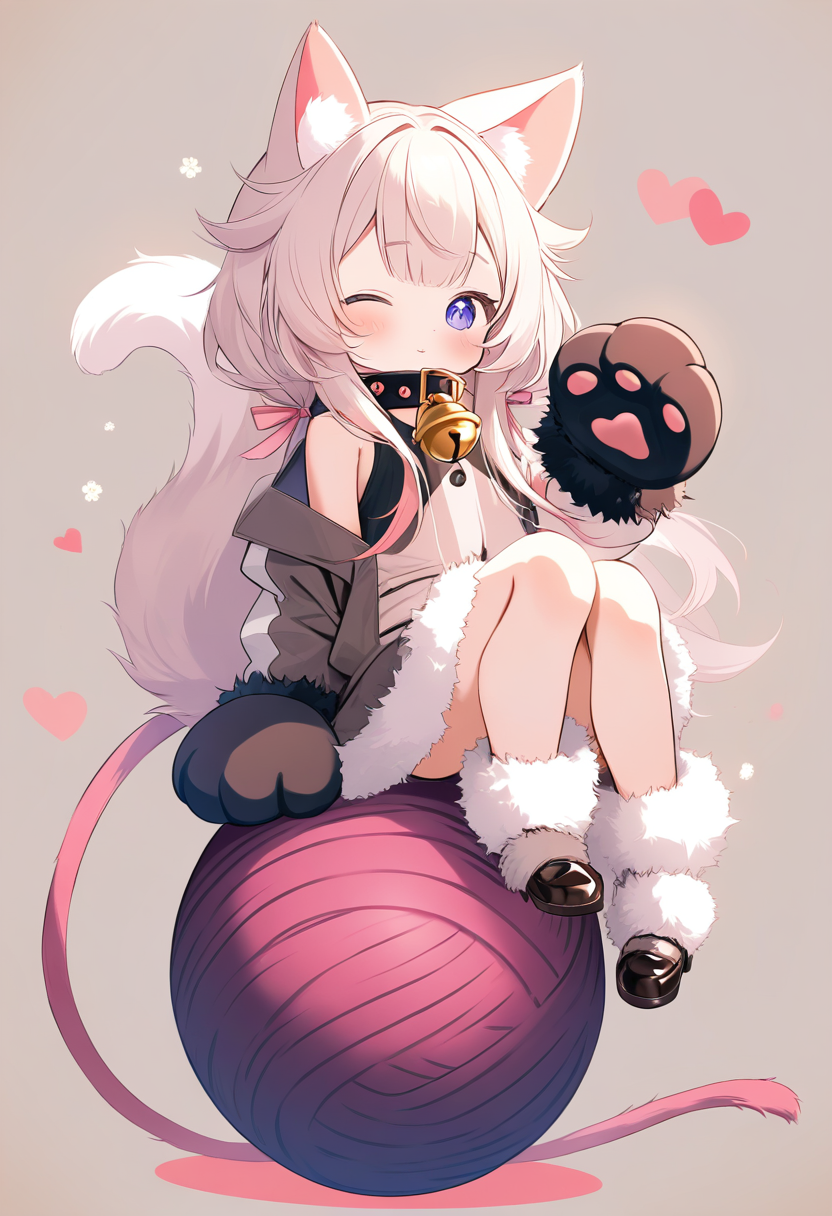
Normal anime "happy": Slight smile, soft eyes. Chibi "happy": Mouth is a wide open semicircle, eyes are closed upward crescents, possible sparkle effects, arms raised.
Normal anime "angry": Furrowed brows, tight mouth. Chibi "angry": A vein symbol on the forehead, sharp triangular mouth, eyes reduced to angry slits, the whole body leans forward aggressively, steam puffs from ears.
Normal anime "embarrassed": Light blush, averted gaze. Chibi "embarrassed": Entire face turns red, spiral eyes, steam erupting from the head, body shrinks to even smaller proportions.
Normal anime "shocked": Wide eyes, open mouth. Chibi "shocked": The soul visibly leaves the body. The character turns white/grey. Eyes become blank circles. The body freezes mid-air.
Chibi uses symbolic expressions borrowed from manga. These are visual shorthand that would look ridiculous on a realistic character but feel natural on chibi:
- Vein cross (#) on forehead = irritation
- Sweat drop on temple = nervousness or awkwardness
- Nose bubble = sleeping
- Sparkles around character = excitement or self-satisfaction
- Dark shadow over eyes = menacing intent (played for comedy)
- Cat mouth (3 shape) = playful or mischievous
- Blue vertical lines on face = depression or doom
How to Chibi-fy Any Existing Character
Follow this conversion process step by step.
Step 1: Identify the character's three signature elements. What are the three things that make this character visually recognizable? Usually: hair style/color, outfit core design, and one signature accessory or feature. These three elements must survive the chibi conversion intact.
Step 2: Redraw the head at 40-50% of total height. The head drives everything. Make it round (even if the original character has an angular face). Enlarge the eyes to fill more of the face. Simplify the hair but keep its overall silhouette shape.
Step 3: Attach the body as a simplified shape. The torso becomes a rounded rectangle or an oval. No defined ribcage, no waist narrowing (unless the character's silhouette absolutely requires it). Shoulders are barely wider than the head.
Step 4: Limbs become tubes. Arms and legs lose their joint definition. They are rounded cylinders that taper slightly. Hands become mittens or simplified three-finger shapes. Feet become rounded stubs or simplified shoes.
Step 5: Scale up the accessories. A sword that was proportional to the full character should be oversized on the chibi—almost as tall as they are. A hat that sat normally on the full character should look comically large on the chibi head. Oversized accessories are part of the chibi charm.
Step 6: Add the expression. Pick an emotion and push it to 200%. Apply symbolic expression markers. The chibi should be performing their personality at maximum volume.
Chibi Use Cases
Chibi is not just an art style—it is a product format with specific applications.
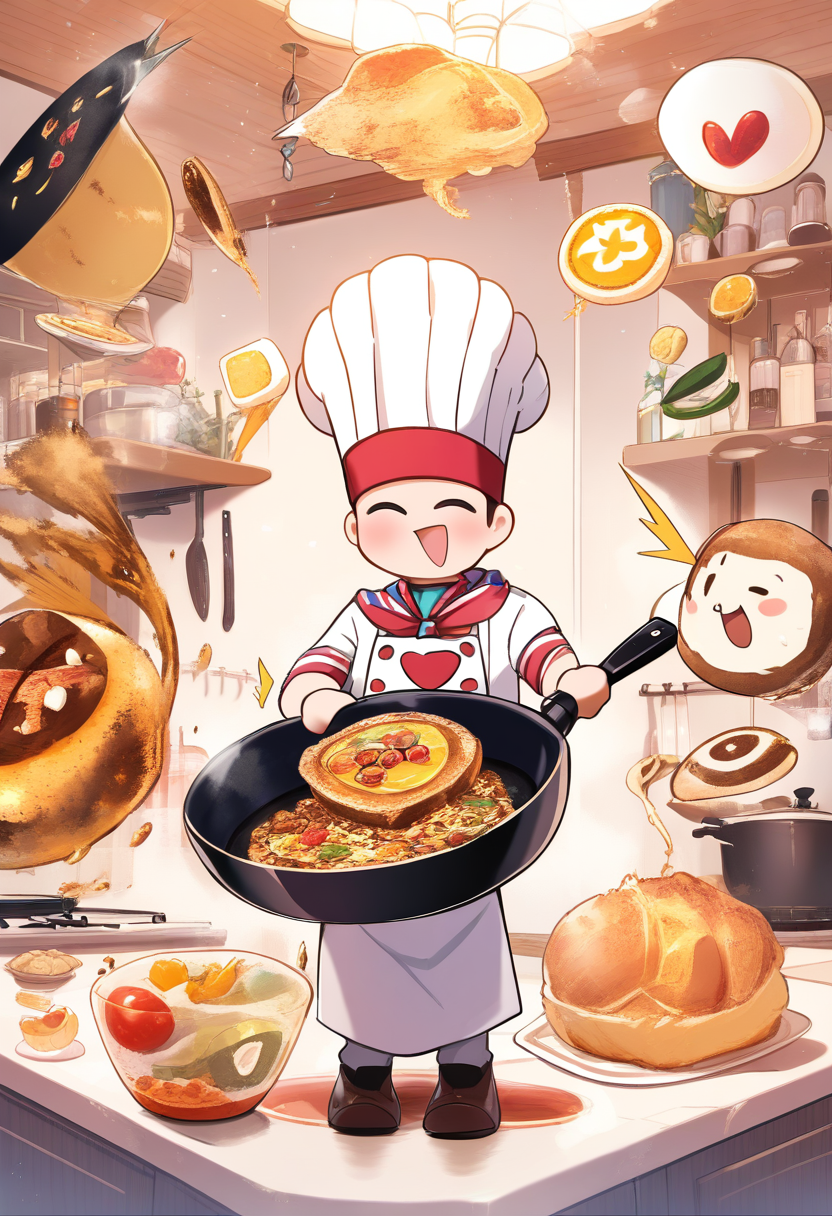
Stickers and emotes: The single most common chibi application. Messaging platforms, Discord servers, Twitch/YouTube streams. Chibi stickers need to read at small sizes (128x128 or smaller), which is why the simplified proportions work perfectly. Design sticker sets as expression sheets—one character, 6-12 emotions.
Merchandise: Chibi works on acrylic standees, keychains, pins, and mugs because the simplified design reproduces cleanly at small physical sizes and remains recognizable. Full-detail anime art often loses legibility when printed on a 2-inch keychain. Chibi is designed for that scale.
Chibi comic strips / 4-koma: Short comedy strips using chibi versions of characters from a more serious main story. This is a tradition in manga — many series include bonus chibi comics at the end of volumes. The chibi style signals "this is comedy mode" without breaking the tone of the main work.
Game chibis: Many RPGs and gacha games use chibi sprites for gameplay while showing full-detail art in menus and story scenes. The chibi versions need to be recognizable at the game's camera distance, which is often quite far.
Profile pictures: Chibi PFPs are popular because they combine character identity with inherent approachability. The cute proportions signal friendliness regardless of the character's actual personality.
Full Proportion vs Chibi: Side by Side
Understanding what changes between formats helps you prompt more effectively.
| Feature | Full Proportion | Chibi (2.5 head) |
|---|---|---|
| Total height | 6-8 heads | 2-3 heads |
| Head shape | Varies (angular, oval, etc.) | Always round |
| Eye-to-face ratio | ~15-25% | ~35-50% |
| Nose | Visible | Dot or absent |
| Hands | 5 fingers, proportional | Mitten/3-finger, oversized |
| Feet | Proportional, detailed shoes | Stubs, simplified shoes |
| Joints | Visible (elbows, knees, wrists) | Hidden or absent |
| Outfit detail | Full detail | Simplified, key elements only |
| Accessories | Proportional | Oversized |
| Expression | Subtle to moderate | Maximum exaggeration |
| Pose complexity | Full range of motion | Limited, gesture-based |
Prompting for Chibi
Chibi prompts should specify the proportion explicitly and include the chibi expression vocabulary.
Effective format: "Chibi, 2.5 head proportions, [character description], [emotion] expression, [chibi symbol if applicable], simple background, sticker-style, bold outlines, full body"
Example: "Chibi, 2.5 head proportions, silver-haired knight girl in blue armor, angry expression with vein symbol on forehead, holding an oversized sword, white background, sticker-style, bold outlines, full body, cute"
The word "cute" at the end is not filler—it steers the AI toward the softer rendering that chibi requires, preventing it from applying serious anime rendering to the deformed proportions.
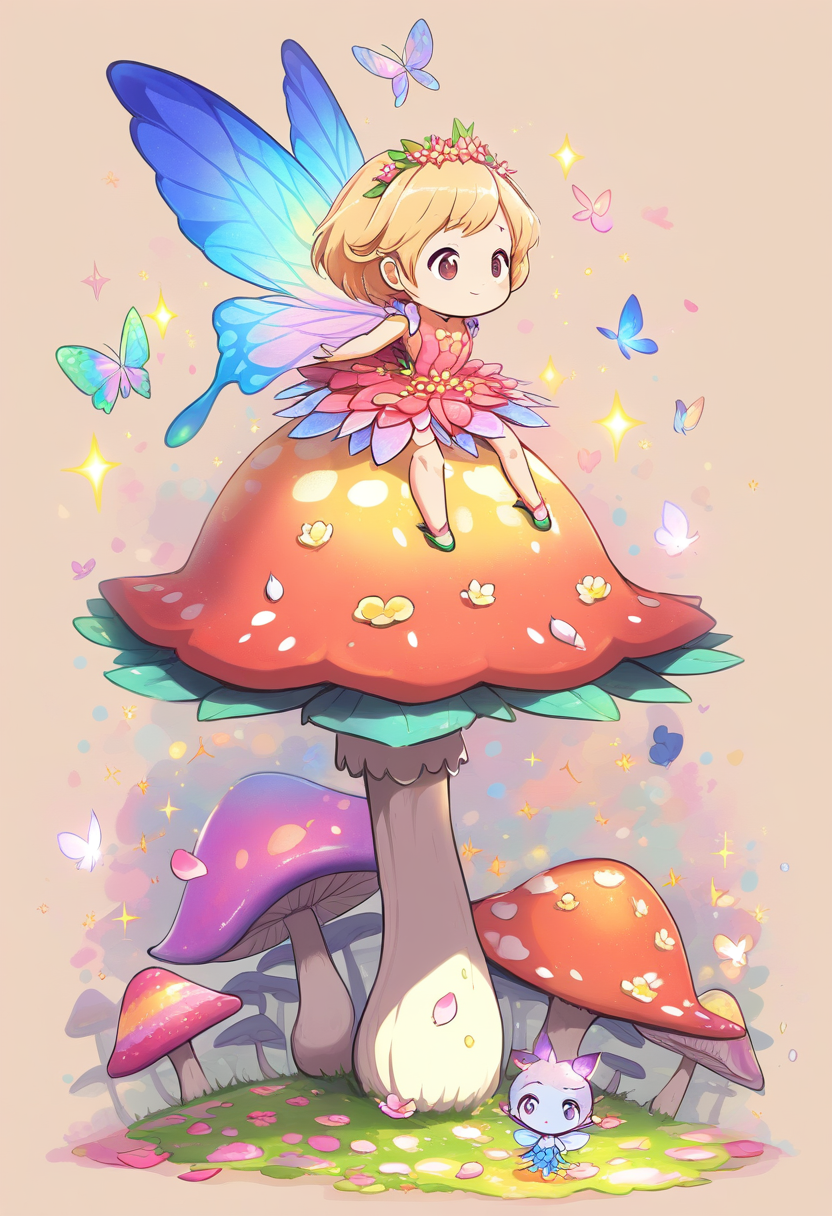
Chibi is a translation, not a simplification. The character's identity survives. Only the visual language changes—from the nuanced grammar of full-proportion anime to the loud, emphatic, maximally expressive dialect of chibi. The best chibi maker preserves that identity while handling the conversion automatically.
Related Character Tools
Anime Character Maker
Design anime-style characters with customizable features and art styles.
Character Creator
Design original anime characters with unique outfits, hairstyles, and expressions.
AI Waifu Generator
Generate beautiful anime waifu characters with unique designs and personalities.
AI PFP Generator
Generate unique anime profile pictures and avatars for social media.
AI Sprite Generator
Generate pixel art sprites and game-ready character assets.
오늘 바로 치비 캐릭터 만들기
AI 기반 치비 메이커로 몇 초 만에 가장 귀여운 치비 캐릭터를 만드세요. 꿈의 캐릭터를 설명하고 사랑스러운 치비 형태로 탄생하는 것을 지켜보세요!