원신 OC 메이커
원신 OC 메이커
Genshin OC Maker: The Seven Nations of Teyvat
Genshin Impact characters are inseparable from their homeland. A character's nation determines their clothing silhouette, color palette, architectural motifs in their accessories, and even the way they carry themselves. This genshin oc maker guide starts with the most important choice: before choosing an element or weapon, choose a nation. The rest follows.
This genshin impact character creator atlas is organized nation-by-nation. Each entry gives you the aesthetic rules, design conventions, and cultural references you need to build an OC that reads as authentically from that region.
Mondstadt — The City of Freedom
Real-world reference: Medieval Germany and Central Europe
Design vocabulary: Wind-swept capes, leather corsets and vests, Germanic braids and headpieces, knight's armor details mixed with bardic flair. Mondstadt characters feel like they belong at a Renaissance faire — noble but approachable.
Color palette: Teals, whites, sky blues, gold trim. Dark navies for the Knights of Favonius.
Cultural notes: Mondstadt worships Barbatos (Venti), the Anemo Archon, who values freedom above all. Characters from Mondstadt tend to be carefree, independent, or are struggling against constraints. The Knights of Favonius are Mondstadt's military order — formal but not rigid. The church (the Church of Favonius) has clergy with nun-like aesthetics.
OC hooks: A knight torn between duty and freedom. A bard who knows too many secrets. A vineyard heir who'd rather adventure. A wind glider racing champion.
Mondstadt is the best starting nation for a first Genshin OC. Its aesthetic is the most forgiving and its culture the most open to outsiders.
Liyue — The Harbor of Contracts
Real-world reference: China (primarily ancient Chinese culture with port city modernity)
Design vocabulary: Qipao-influenced silhouettes, jade and gold jewelry, dragon and qilin motifs, long flowing sleeves or sharp merchant attire. Liyue characters balance elegance with commerce.
Color palette: Amber, jade green, rich burgundy, gold. Adepti-associated characters use more ethereal blues and teals.
Cultural notes: Liyue was governed by Rex Lapis (Zhongli), the Geo Archon, who valued contracts and order. The Liyue Qixing are the merchant-rulers. The Adepti are ancient guardian spirits who protect the region. This creates two OC paths: human civic life or Adeptus-adjacent mysticism.
OC hooks: A Liyue Qixing secretary uncovering financial conspiracy. An Adeptus disciple learning forgotten arts. A merchant whose trade routes cross into dangerous territory. A Millelith soldier guarding the Chasm.
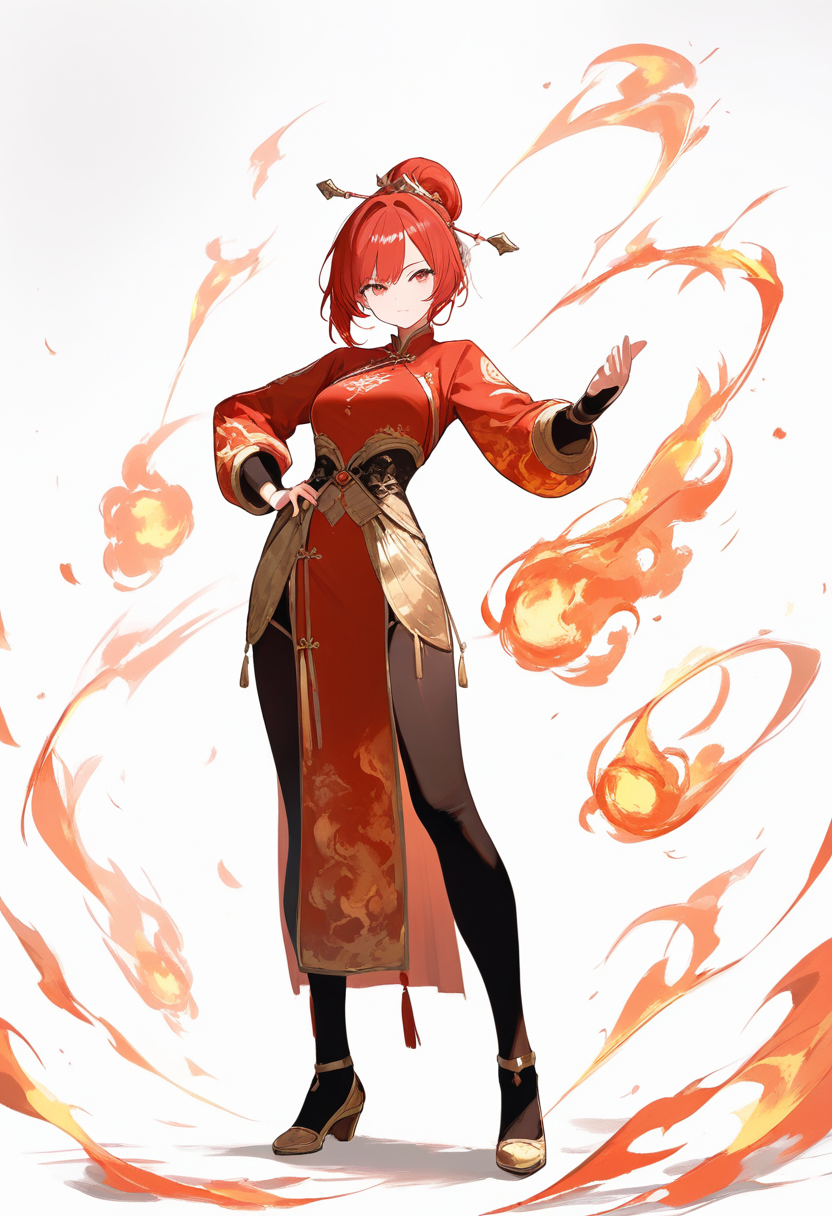
Inazuma — The Nation of Eternity
Real-world reference: Japan (Edo period and Meiji-era blend)
Design vocabulary: Kimono and hakama with combat modifications, oni masks, lightning motifs, sakura and maple embroidery, katana-style weapons. Inazuma designs are the most visually "anime" of all Genshin nations — sharp lines, asymmetric cuts, dramatic sashes.
Color palette: Deep purples, indigo, electro-violet, white, touches of magenta. Storm grey for military characters.
Cultural notes: Governed by the Raiden Shogun (Ei), who pursued eternity through a Vision Hunt Decree. Inazuma's political turmoil — the Sakoku Decree, the resistance, the Fatui's manipulation — gives OCs built-in conflict. The Tenryou Commission (military), Kanjou Commission (trade), and Yashiro Commission (cultural) each offer distinct career paths.
OC hooks: A resistance fighter scarred by the Vision Hunt. A shrine maiden with a Vision she must hide. A ronin wandering after the abolition of the decree. A Tenryou soldier questioning orders.
Sumeru — The Nation of Wisdom
Real-world reference: South Asia, the Middle East, and North Africa (a fusion)
Design vocabulary: This is Genshin's most visually diverse nation. The rainforest characters wear botanical motifs, draped fabrics, and floral crowns. The desert characters wear Saharan-inspired robes, golden ornaments, and practical travel gear. Akademiya scholars wear robes with geometric patterns and school-specific colors.
Color palette: Rainforest — emerald, warm brown, sunflower yellow. Desert — sandstone, terracotta, teal, gold. Akademiya — varies by school (six Darshans, each with a color).
The Six Darshans (Akademiya schools):
| Darshan | Focus | Color Association |
|---|---|---|
| Amurta | Biology, life sciences | Green |
| Haravatat | Linguistics, semiotics | Blue-grey |
| Kshahrewar | Engineering, architecture | Orange-brown |
| Rtawahist | Astronomy, astrology | Purple |
| Spantamad | Alchemy, elemental studies | Red |
| Vahumana | Humanities, social sciences | Cream/gold |
OC hooks: A scholar expelled for forbidden research. A desert nomad preserving oral histories. A forest ranger protecting Aranara habitats. A Darshan student whose thesis could change Sumeru politics.
Fontaine — The Nation of Justice
Real-world reference: France (Belle Epoque, steampunk, and Art Nouveau)
Design vocabulary: Victorian-meets-steampunk. Corsets, top hats, pocket watches, hydraulic accessories, mechanical gadgets integrated into outfits. Fontaine characters look like they walked out of a Jules Verne adaptation. The Melusines (small fairy-like beings who serve as guards) add a whimsical element.
Color palette: Navy, platinum, powder blue, black, with brass/bronze metallic accents. The Hydro element's blue dominates.
Cultural notes: Fontaine is obsessed with justice, theater, and spectacle. The Oratrice Mecanique d'Analyse Cardinale (a divine judgment machine) determines legal verdicts. Court trials are public entertainment. The nation's culture blends legalism with showmanship.
OC hooks: A defense attorney in the Fontaine courts. A machinist inventor pushing hydraulic technology. A Melusine detective solving underwater crimes. A journalist covering the biggest trial in Fontaine history.
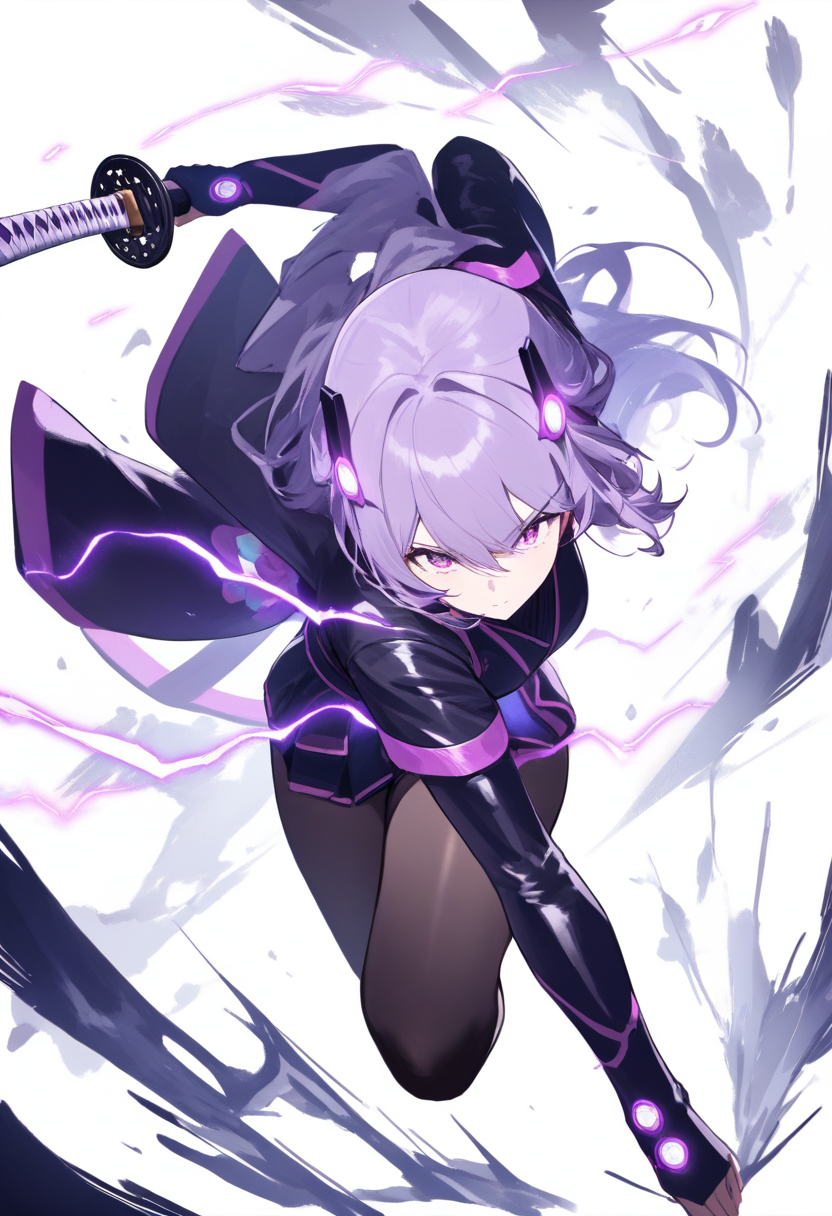
Natlan — The Nation of War
Real-world reference: Mesoamerica, Africa, and Pacific Island cultures
Design vocabulary: Tribal patterns, body paint, feathered headdresses, animal totems, exposed skin with ornamental armor pieces rather than full coverage. Athletic builds. Saurian (dinosaur-like creature) companion motifs.
Color palette: Flame orange, obsidian black, jungle green, turquoise, terracotta red.
Cultural notes: Natlan venerates martial valor and the "Pilgrimage of the Return." Warriors prove themselves through combat trials. The Saurians are rideable companion creatures unique to Natlan. Unlike other nations where Archon worship is subtle, Natlan's culture is intensely ritualistic.
OC hooks: A warrior preparing for the Pilgrimage. A Saurian trainer who bonds with rare species. A peacekeeper in a nation that glorifies war. A tribal historian recording vanishing oral traditions.
Snezhnaya — The Nation of Ice (Upcoming)
Real-world reference: Russia and Eastern Europe
Design vocabulary: What we know from Fatui agents and Harbingers: military greatcoats, fur-lined cloaks, Tsarist-era uniforms, Fatui masks, heavy boots. Everything is layered for cold. The Fatui Harbingers each have wildly different aesthetics but share an underlying imperial militarism.
Color palette: Stark white, gunmetal grey, blood red accents, icy blue.
OC hooks: A Fatui operative questioning the Tsaritsa's plan. A civilian in Snezhnaya's harsh tundra surviving through ingenuity. A defector from the Fatui carrying stolen intelligence. A Harbinger's disciple being groomed for power.
The Vision Trinity: Element + Weapon + Nation
Every playable Genshin character is defined by three choices: their element (granted by a Vision), their weapon, and their nation. Your OC needs all three.
Elements: Anemo (wind), Geo (earth), Electro (lightning), Dendro (nature), Hydro (water), Pyro (fire), Cryo (ice)
Weapons: Sword, Claymore (greatsword), Polearm, Bow, Catalyst (magic book/orb)
A character's Vision story — the moment of extreme ambition or resolve when the gods granted them elemental power — is one of the richest backstory prompts in Genshin. What was your OC doing, feeling, or losing at the exact moment their Vision appeared?
Prompt Approach for Genshin OCs
"A [element] Vision holder from [nation], [body type], wearing [nation-specific outfit with element-colored accents], [weapon type visible], [Vision glowing on their person], [pose reflecting their personality], Genshin Impact character art style, detailed accessories, fantasy anime aesthetic"
Frequently Asked Questions
Can my OC be from a nation we haven't fully explored yet? Yes, but stick to what's established. Snezhnaya OCs should pull from Fatui/Harbinger aesthetics. Don't invent lore that might contradict future releases.
Does my OC's element have to match their nation's Archon? No. Visions are granted seemingly at random by Celestia. A Mondstadt character can have a Pyro Vision.
Can my OC be an Archon? The seven Archon seats are filled in canon. Your OC could be a former Archon candidate, a being who almost ascended, or someone connected to Celestia in another way — but not a current sitting Archon.
How do I pick between weapon types? Match the weapon to the fighting style and personality. Catalyst users are scholarly or mystical. Claymore users are forceful and direct. Sword users are balanced. Polearm users are precise. Bow users are patient or strategic.
Related Character Tools
Honkai Star Rail OC Maker
Design Honkai Star Rail characters with paths and unique combat styles.
Pokemon OC Maker
Design Pokemon trainer OCs with partner Pokemon and custom outfits.
Naruto OC Maker
Create original Naruto ninja characters with village affiliations and jutsu styles.
OC Generator
Create original characters for any fandom or original universe with AI.
Character Creator
Design original anime characters with unique outfits, hairstyles, and expressions.
나만의 원신 OC 만들기
오리지널 원신 캐릭터를 디자인하세요. AI로 원소 비전과 티바트 세계관의 캐릭터를 만들어 보세요!