OC Generator
OC Generator
The Complete OC Maker Guide
OC stands for Original Character—not a fan character from an existing universe (that's an FC), and not a self-insert with a different name (that's a self-insert). An OC is a character born entirely from your imagination: your concept, your design, your story.
Creating an OC is one of the most rewarding creative exercises that exists—and one of the most deceptively difficult. Anyone can describe a character. Bringing one to life that feels alive, original, and meaningful takes deliberate work, whether you use an AI OC maker or draw by hand.
This is the definitive oc creator guide.
Phase 1: The Concept Spark
Every OC starts somewhere. That somewhere is usually one of three places:
A visual. You see a color, a silhouette, an outfit, a weapon, and the character forms around that visual anchor. "What kind of person would carry a sword made of frozen lightning?" The visual comes first; the personality follows.
A personality trait. You want to explore a specific human quality: stubbornness, quiet kindness, reckless curiosity, bitter humor. The character becomes a vessel for that trait. "What would someone who literally cannot stop helping people look like?"
A situation. You imagine a scenario and need a character to inhabit it. "Who would be the last person standing in a world where magic just stopped working?" The character is shaped by the story they exist in.
None of these starting points is better than the others. But knowing which one you are starting from helps you figure out what to develop next.
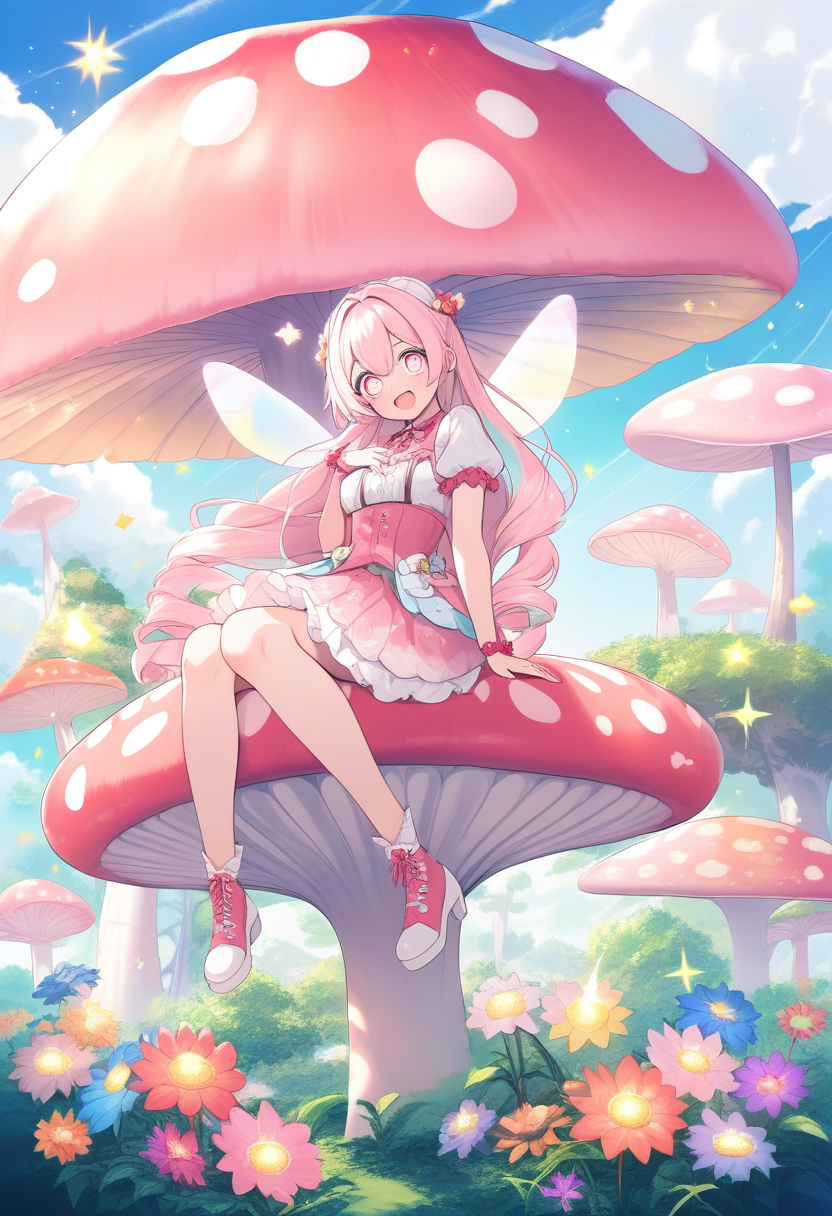
Phase 2: The Character Foundation
Before touching any visual design, answer these five questions. Write the answers down. They are the foundation everything else builds on.
1. What do they want? Not what they need—what they actively pursue. A clear motivation makes a character feel driven. "She wants to find her missing brother" is a motivation. "She is brave" is not; that's a trait, not a drive.
2. What is stopping them? An obstacle creates tension. It can be external (a villain, a law, a physical barrier) or internal (fear, self-doubt, a moral conflict). The obstacle shapes how the character looks, acts, and presents themselves to the world.
3. What are they afraid of? Fear is the most revealing character detail. A warrior afraid of being forgotten. A healer afraid of failure. A trickster afraid of being truly known. Fear creates vulnerability, and vulnerability makes characters feel real.
4. What is their contradiction? Real people are contradictory. A gentle person who fights viciously when cornered. A liar who values honesty in others. A leader who hates responsibility. Contradictions prevent a character from being one-dimensional.
5. What would they never do? A moral line they will not cross, or a behavior that is simply not in their nature. This constraint defines them as strongly as their actions do. A thief who would never steal from the poor. A soldier who refuses to kill unarmed opponents.
Phase 3: Visual Design With an OC Maker
Now translate those answers into a visual identity using an anime oc maker or oc maker ai tool. Every design choice should connect back to the foundation.
Shape language reflects personality. Round shapes for warm, approachable characters. Angular shapes for intense, dangerous characters. Mixed shapes for complex personalities. (See the AI Character Creator guide for the full shape language breakdown.)
Color reflects role and emotion. Choose 2-3 dominant colors: one for the character's external presentation (how they want the world to see them) and one for their internal reality (who they actually are). If those colors complement each other, the character is at peace with themselves. If they clash, there's internal conflict.
Clothing tells backstory. Every garment choice answers a question:
- Where are they from? (Cultural clothing markers)
- What do they do? (Functional gear, professional attire)
- What do they value? (Carefully maintained outfit = pride; tattered clothing = survival over appearance)
- What can they afford? (Patched boots vs polished leather)
- What are they hiding? (High collars, gloves, long sleeves—what's underneath?)
One signature element. The single visual detail people will remember. A scar, an unusual weapon, a distinctive piece of jewelry, an always-present companion animal, a specific hat. This element should connect to the character's story.
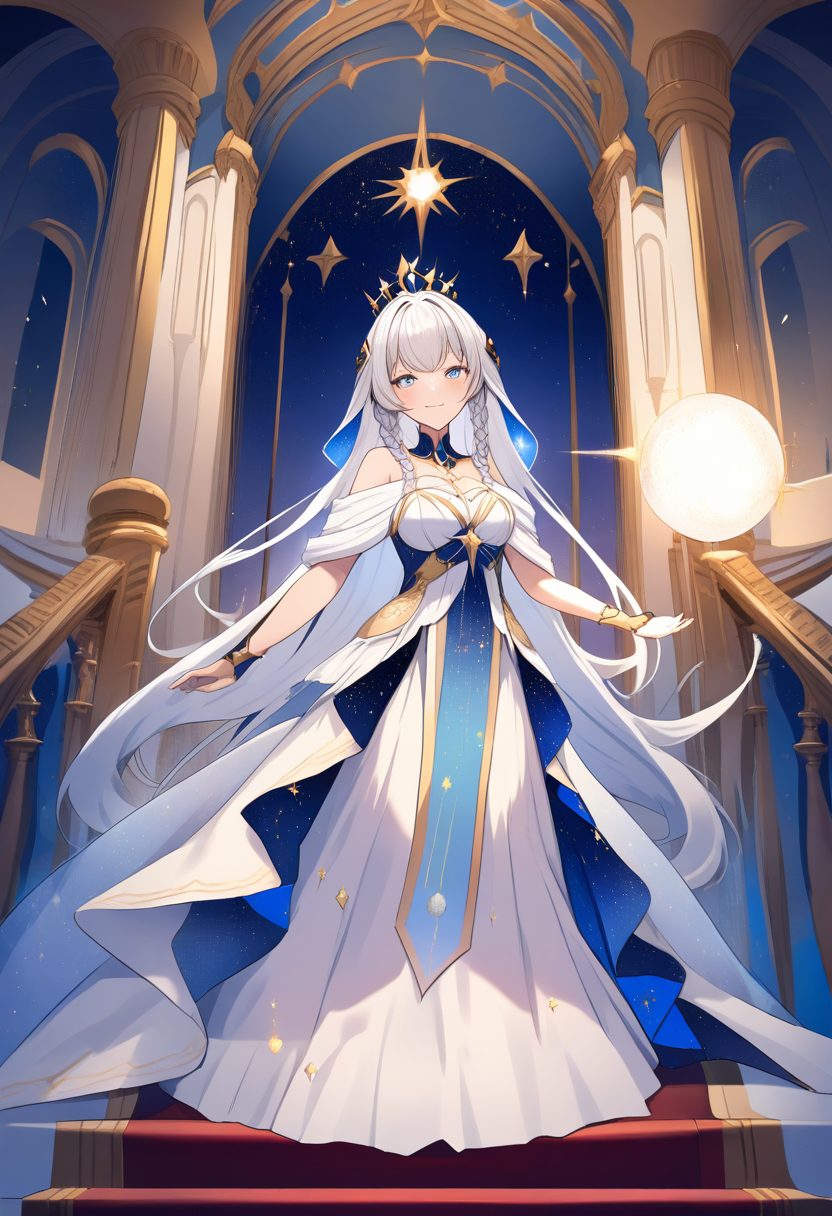
Phase 4: The Backstory
Backstory supports design. It doesn't replace it.
The most common OC mistake is writing a 10-page backstory and a 10-word visual description. The backstory should inform the design, not exist independently of it. If your backstory says "she survived a fire that killed her family," there should be a visual trace of that: a burn scar, a fire-resistant cloak, an aversion to warm colors in her outfit, or a locket containing the only surviving photo.
The iceberg principle: You should know ten times more about your character than you ever show. The depth creates consistency. If you know that your character grew up poor, you will naturally design clothing that is practical rather than ornamental — even if poverty is never mentioned in the story.
Backstory elements that affect visual design:
- Origin (cultural clothing, racial features, regional materials)
- Trauma (scars, defensive body language, concealing clothing)
- Training (muscle development, calluses, specialized gear)
- Relationships (matching accessories with a partner, a mentor's gifted weapon, a rival's stolen trophy)
- Current situation (fresh vs weathered gear, emotional state reflected in grooming/tidiness)
Phase 5: The OC vs Fan Character Distinction
An OC exists independently. Drop them into any universe and they still make sense, because their personality, motivations, and conflicts are universal.
A fan character (FC) is designed for a specific existing universe. A Naruto OC, a Genshin Impact OC, a My Hero Academia OC — these are technically FCs. They depend on the source material's rules, aesthetics, and lore to function.
Neither is better. But they require different design approaches:
| Aspect | Original Character | Fan Character |
|---|---|---|
| Design rules | Self-defined | Must match source aesthetic |
| Power system | Your invention or setting's rules | Must follow canon rules |
| Visual style | Any style that serves the character | Must match the franchise art style |
| Audience assumption | None—you explain everything | Shared knowledge of the source |
| Originality pressure | High—must stand alone | Lower—the universe does heavy lifting |
Phase 6: Avoiding the Mary Sue Trap
A Mary Sue is a character who is perfect, universally loved, supremely powerful, and dramatically interesting to no one. They are the most common OC failure mode.
Signs your OC might be a Mary Sue:
- Every other character is impressed by them
- They have no meaningful flaws (or their "flaw" is actually a strength, like "too loyal")
- They are the best at everything they attempt
- Their backstory is a series of tragedies that made them stronger
- They resolve conflicts effortlessly
- Established characters would logically resent them but do not
How to fix it:
- Give them a real flaw that costs them something (arrogance that loses them allies, cowardice in a critical moment, a temper that hurts people they love)
- Let them fail — and have the failure stick
- Make other characters disagree with them for legitimate reasons
- Limit their competence — they should be good at some things and mediocre or bad at others
- Make their backstory include choices they regret, not just things that happened to them
Flaws make characters interesting. A perfect character is a dead character.
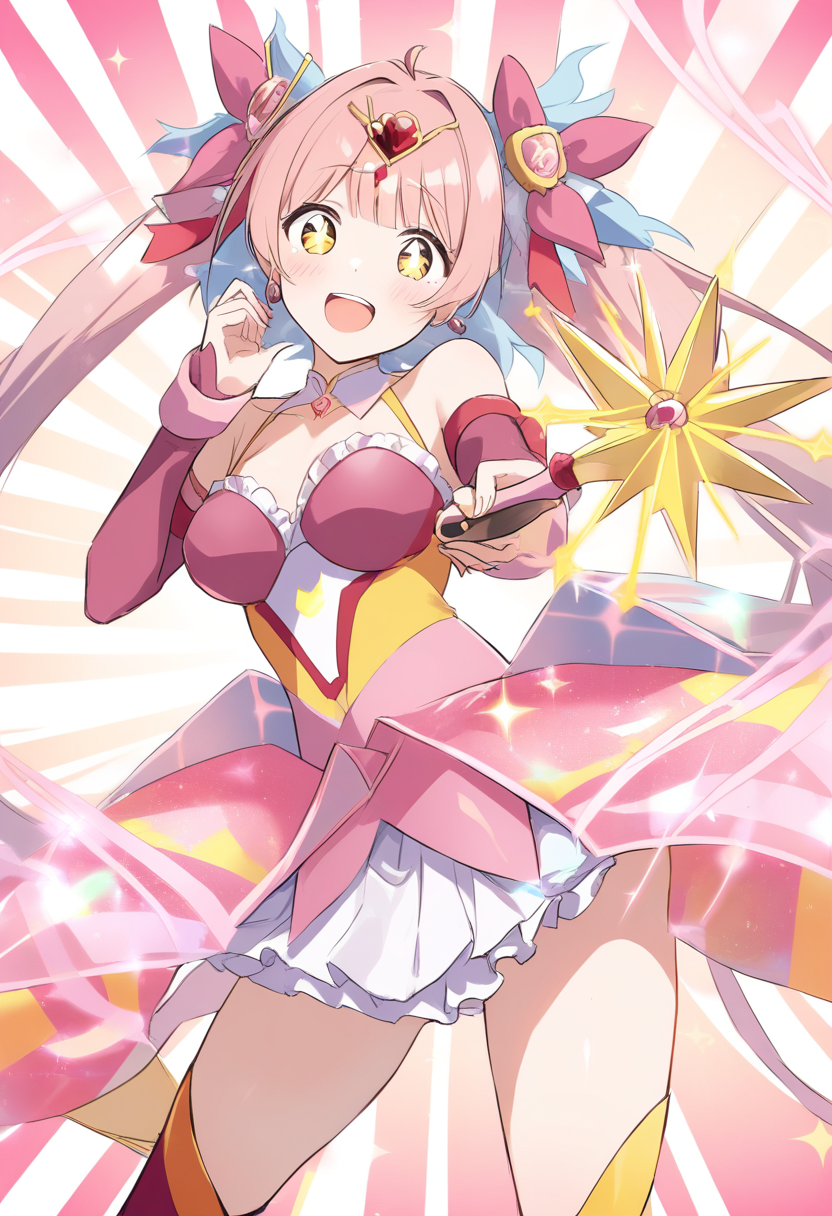
Phase 7: Sharing and Community
OCs thrive in community. Sharing them and receiving feedback is part of the creative process.
Where OCs live online:
- DeviantArt — The original OC platform. Still active, with dedicated OC groups and art trading communities.
- Toyhou.se — A dedicated character hosting platform where creators build detailed profiles, organize characters into worlds, and track art.
- Twitter/X art community — Share OC art with character-specific hashtags. "OC" and "originalcharacter" are the primary tags.
- Tumblr — Strong OC creation culture with ask-games, character development prompts, and art reblogs.
- Discord servers — Dedicated OC communities for sharing, collaborating, and running roleplay.
Art trading and collaborations: Drawing someone else's OC (called "fan art" even though the OC is not from a franchise) is one of the highest compliments in OC culture. Art trades—"I'll draw your OC if you draw mine"—are a longstanding community tradition.
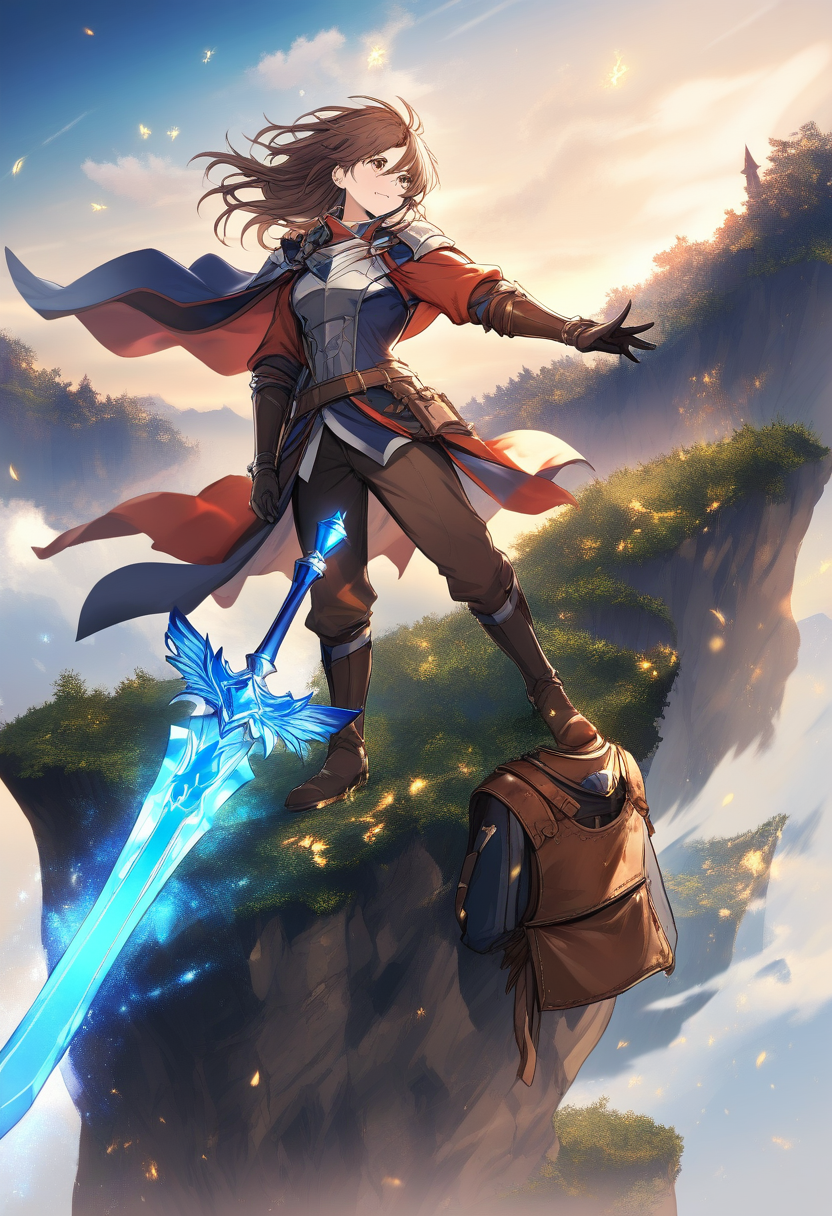
The Living Document
An OC is never finished. They grow as you grow. Designs evolve, backstories deepen, personalities develop through roleplay and stories. The character you create today will look different a year from now—not because the original was wrong, but because you have changed.
Start somewhere: the concept spark, the five foundation questions, the first visual. Use the OC generator to bring it to life. See what the AI gives you. React to it. Refine it. Let the character become more than what you initially imagined.
That is what makes an OC yours.
Related Character Tools
Character Creator
Design original anime characters with unique outfits, hairstyles, and expressions.
Original Character Generator
Generate diverse character designs and concept art from text prompts.
Anime Character Maker
Design anime-style characters with customizable features and art styles.
Naruto OC Maker
Create original Naruto ninja characters with village affiliations and jutsu styles.
Sonic OC Maker
Create Sonic the Hedgehog original characters with unique abilities and designs.
Pokemon OC Maker
Design Pokemon trainer OCs with partner Pokemon and custom outfits.
Bigyang-Buhay ang Iyong OC
Huwag nang mag-isip lang, magsimula nang gumawa. Gamitin ang OC Generator para gawing kamangha-manghang artwork ang iyong original character concept sa loob ng ilang segundo — ganap na libre.