 Oniichan
AI Comic Generator
Comic style, makapal na outline, halftone shading, makwadradong panga, blonde hair, domino mask, spandex suit, utility belt, dynamic landing pose
Comic style, makapal na outline, speed lines, muscular build, punit na shirt, magulo na itim na buhok, benda sa mga kamao, fighting stance, matinding ekspresyon
Comic style, makapal na outline, cel shading, maitim na balat, afro puffs, goggles, tech suit, gauntlets, lumulutang na pose, energy effects
Comic style, makapal na outline, crosshatch shading, witch hat, mahabang luntian na buhok, punit na cloak, spellbook, gumagawa ng magic, umilaw na runes
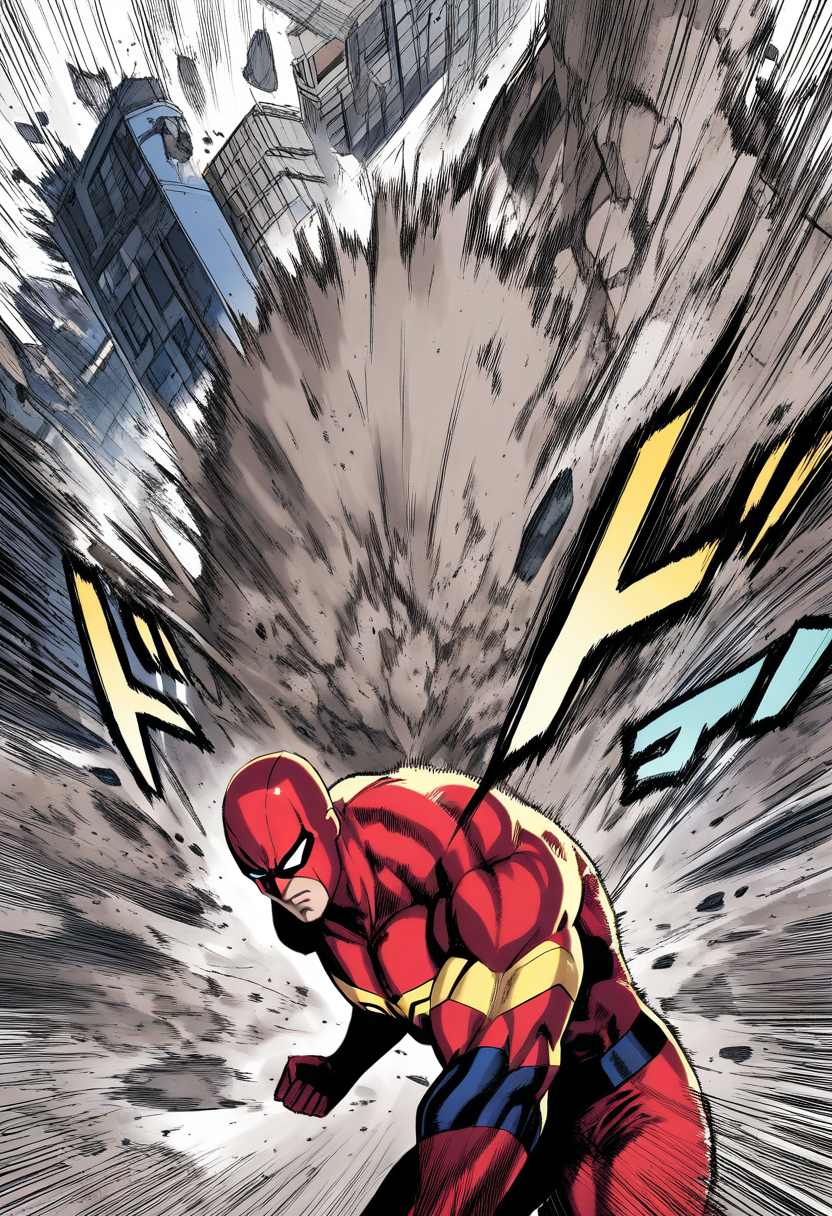
Comic style, makapal na outline, patag na kulay, pulang buhok na ponytail, determinadong mata, superhero suit, umaagos na cape, nakataas na kamao, action pose
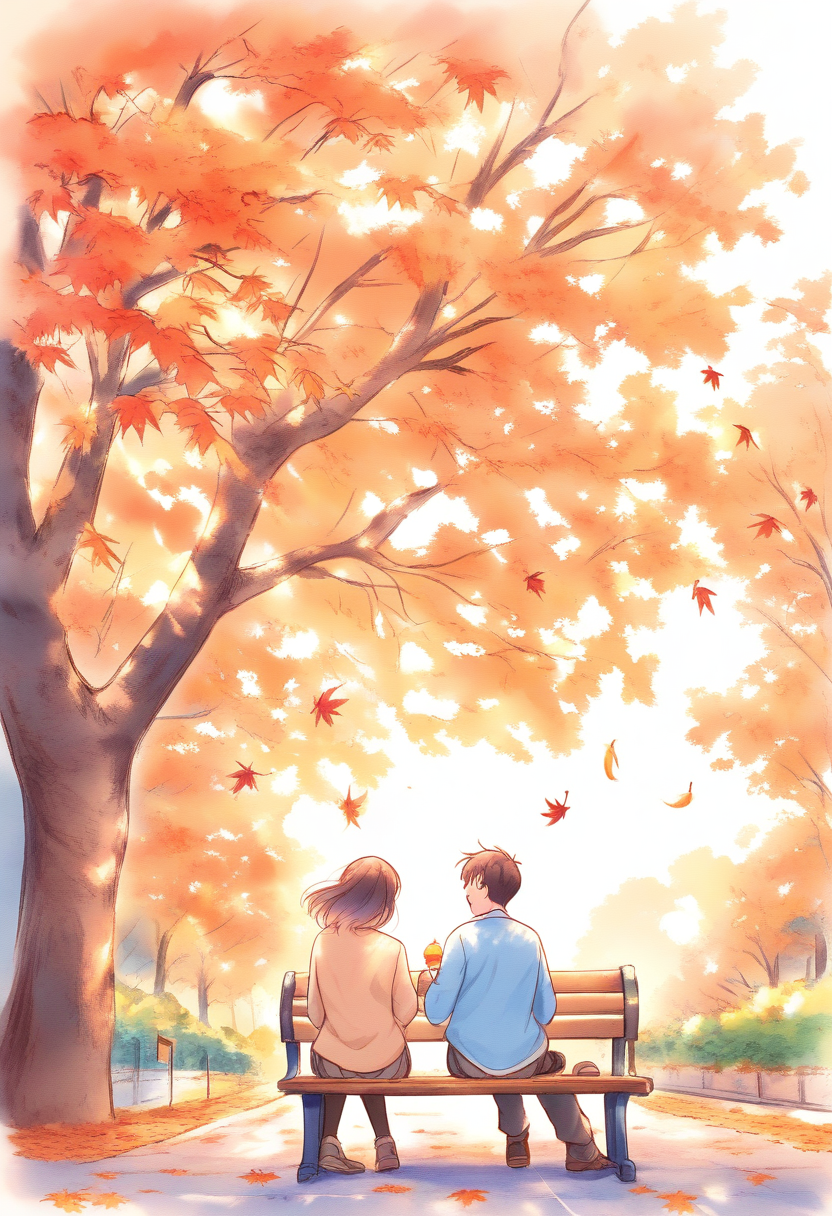
Comic style, makapal na outline, pop art colors, maikli na asul na buhok, visor, armored bodysuit, laser gun, nag-aiming na pose, speech bubble
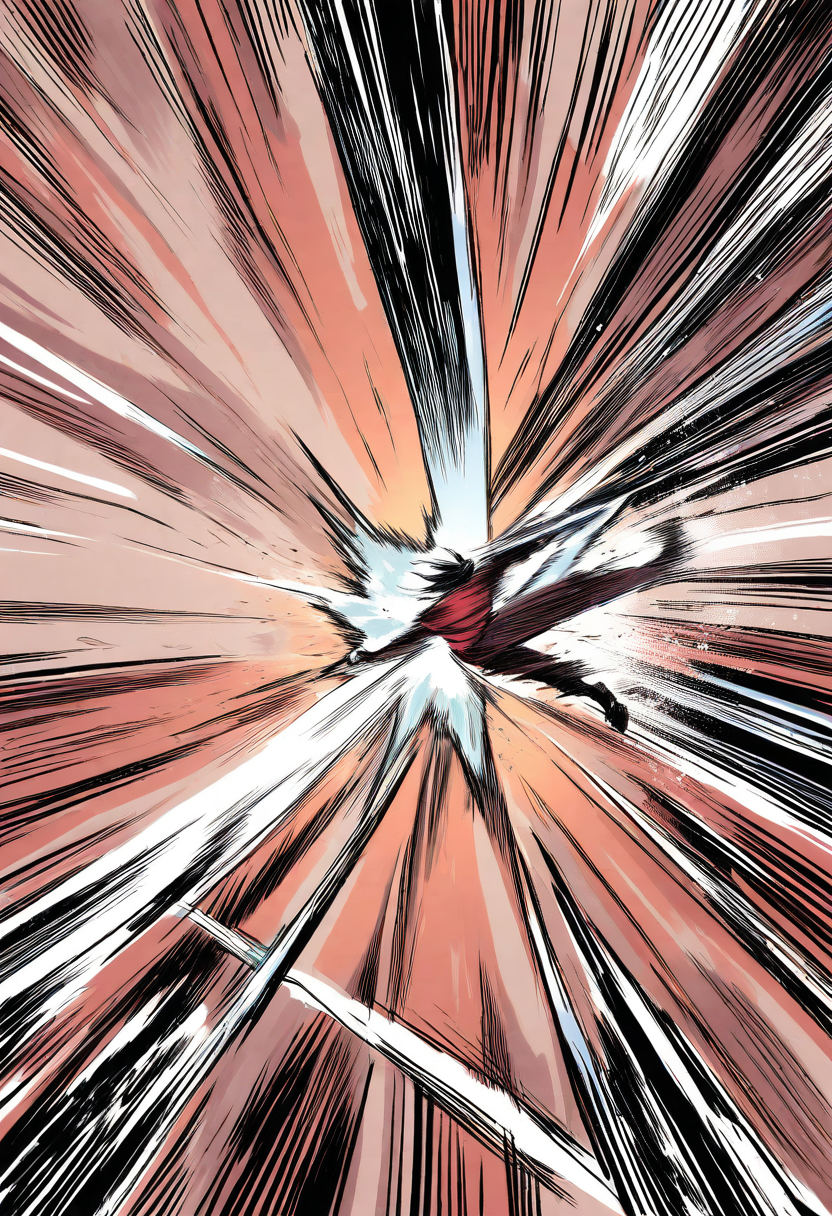
Comic style, makapal na outline, noir shading, trench coat, fedora, sigarilyo, balbas, detective badge, nakasandal sa pader
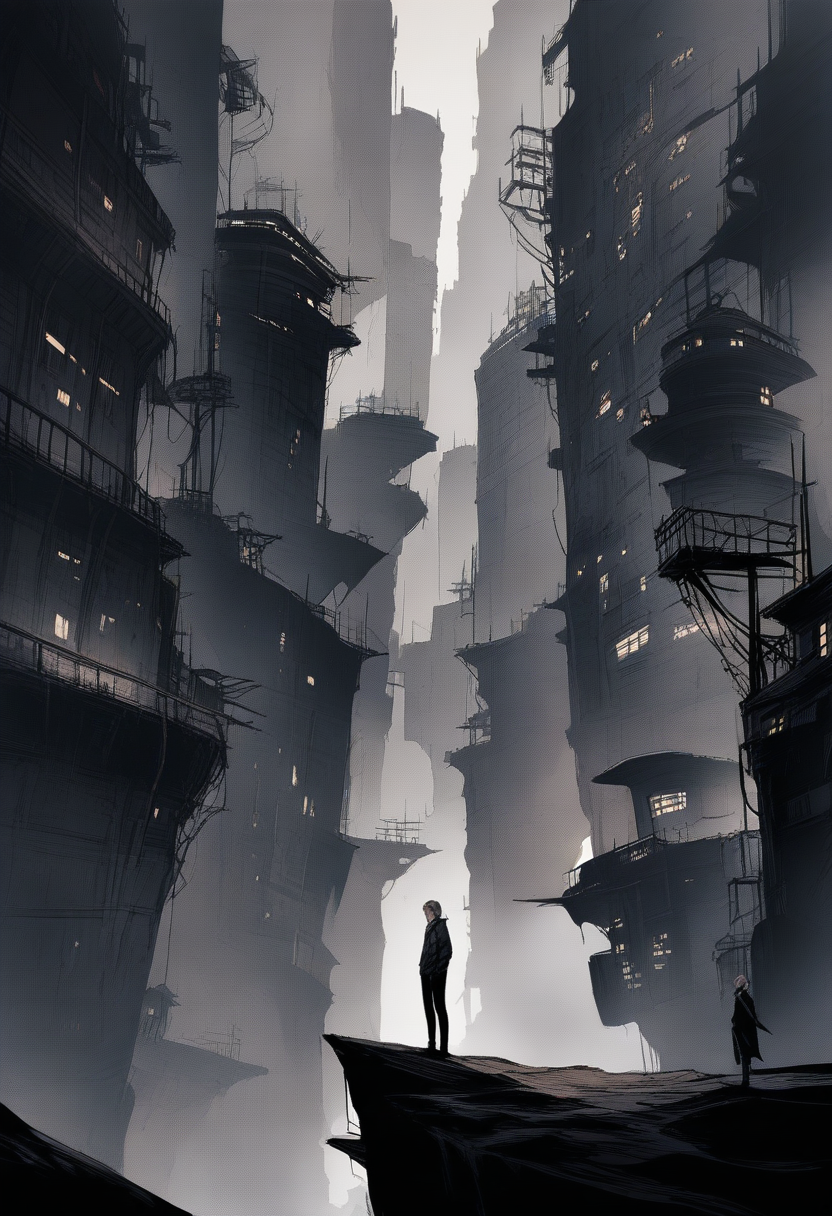
Comic style, makapal na outline, retro coloring, pilot jacket, aviator goggles, scarf, mechanical wings, nakalupad na pose, mga ulap
Comics Are Not Manga With Color
Western comics and Japanese manga share DNA — sequential art telling stories through panels. But structurally, visually, and narratively, they are different art forms with different rules. If you approach an ai comic generator with manga assumptions, your pages will feel off.
This ai comic creator guide covers the conventions, structures, and prompting strategies specific to Western-style comics — whether you are building a full ai comic book generator workflow or using a comic strip generator for shorter formats. Oniichan also supports webtoon generator and ai webtoon generator workflows for vertical-scroll formats.
Reading Direction and Panel Flow
The most fundamental difference: comics read left to right, top to bottom. This seems obvious, but it changes everything about how panels are arranged.
In manga, the eye moves right-to-left, and panel shapes guide the reader in a reverse-Z pattern. In Western comics, the eye follows a standard Z-path or an F-path (top row, then scanning downward). Your most important panel on any page should sit in the upper left — that is where every reader's eye lands first.
The gutter (the space between panels) also functions differently. Manga gutters are typically uniform. In Western comics, gutter width is a storytelling tool:
- Narrow gutters = rapid sequence, near-simultaneous events
- Wide gutters = time passing between panels
- No gutter (bleeding panels) = overwhelming events that break the page's structure
- Overlapping panels = flashbacks, memories, or simultaneous scenes
The Splash Page: Comics' Secret Weapon
Manga uses full-page spreads occasionally. Western comics made them an art form.
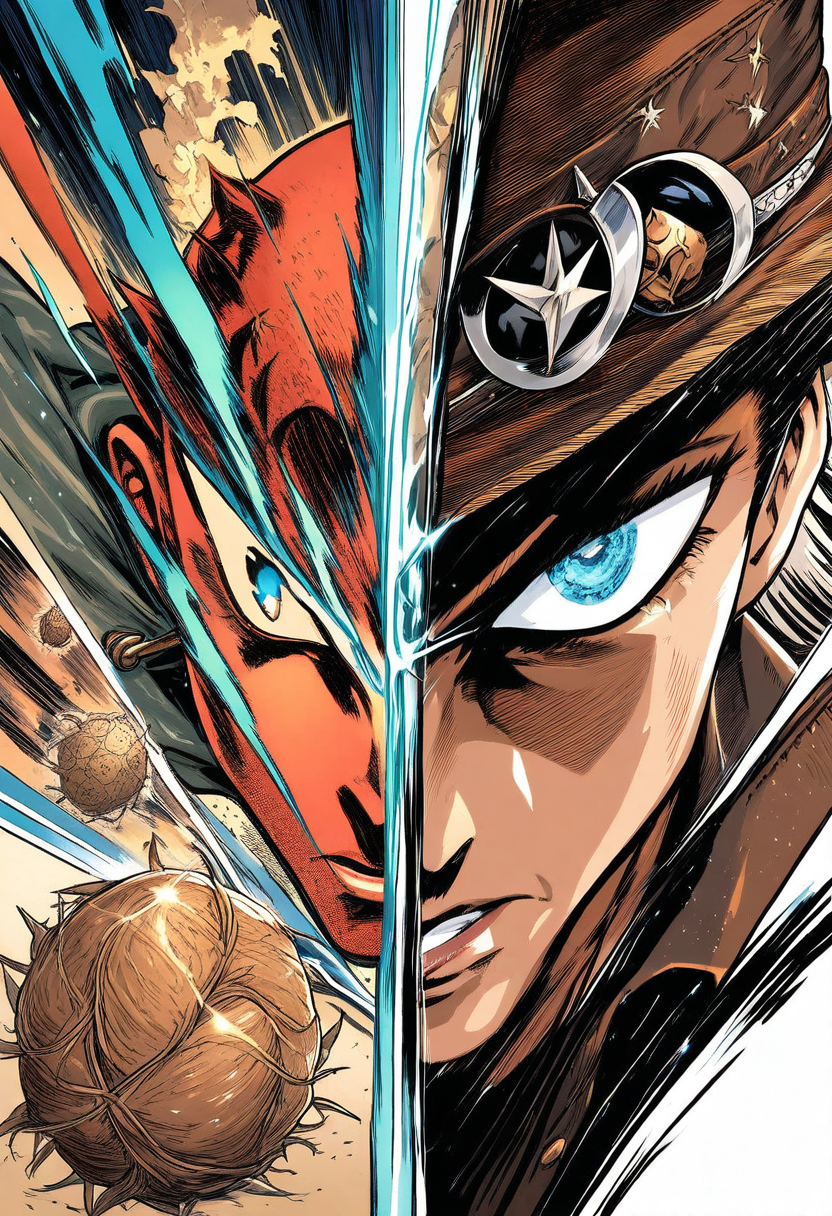
A splash page is a single image that fills an entire page (or two-page spread). It is the most powerful pacing tool in comics — the visual equivalent of a mic drop. In print, turning the page to find a splash creates an involuntary pause. The reader stops scanning and absorbs.
When to use a splash in AI-generated comics:
- Character first appearances (the hero arrives)
- Scale reveals (the true size of the threat)
- Emotional climaxes (the sacrifice, the betrayal, the reunion)
- Action peaks (the final punch, the building collapsing)
When NOT to use a splash:
- Dialogue scenes (you are wasting a full page on talking heads)
- More than once every 5-6 pages (overuse kills the impact)
- Transitions (splashes are for arrivals, not departures)
Color as Narrative
Western comics are traditionally full-color, and that color does heavy narrative lifting.
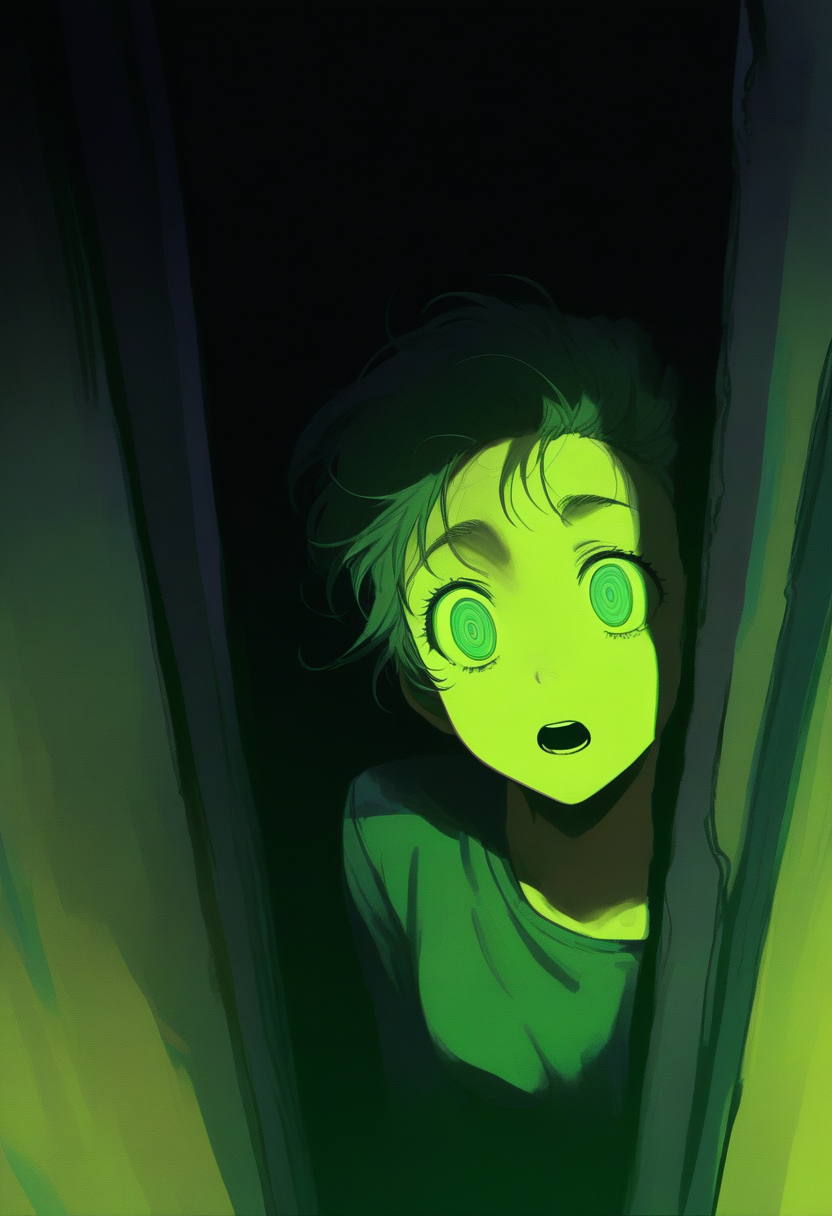
Scene-level color palettes: Comics colorists shift the entire palette to signal emotional state and setting. A scene in a villain's lair might be bathed in sickly green. A romantic scene at sunset drowns in warm orange-pink. A flashback desaturates to sepia or grayscale.
When prompting AI for comic pages, specify the dominant color temperature for each scene. "Cool blue-grey office interior" produces fundamentally different art than the same scene described without color direction.
Character-coded color: Every major character in a well-designed comic has a signature color. Superman is blue-red. Batman is black-grey. The Joker is green-purple. This is not just branding — it is a readability tool. In a crowded action panel, you can track who is where by color alone.
Lettering: The Invisible Art
Word balloons in comics follow conventions that manga does not share:
Balloon shapes carry meaning:
- Oval with tail = normal speech
- Jagged/starburst = shouting or impact
- Cloud/bumpy = thought or dream
- Rectangular with sharp corners = narration/caption
- Dripping/melting edges = eerie, supernatural, or villain speech
- Double outline = electronic/robotic voice
Placement rules:
- Balloons are read top-to-bottom within a panel, so the first speaker's balloon must be highest
- Tails point to the speaker's mouth, not their body center
- Balloons should never cover a character's eyes
- No more than 25-30 words per balloon — beyond that, split into multiple balloons
Caption boxes (rectangular, usually colored) handle narration. They typically sit in the upper-left or lower-right of a panel. Different characters narrating can have different caption box colors to track whose internal monologue you are reading.
Scripting for Comics vs Prose
Writing a comic script is closer to writing a screenplay than a novel. Every panel description needs:
- Shot type — Close-up, medium shot, wide establishing shot, bird's eye, worm's eye
- Characters present — Who is visible and what are they doing
- Environment — Where are we, what is the lighting, what is the mood
- Dialogue/captions — What text appears in this panel
- Special instructions — Sound effects, motion lines, panel border treatment
A weak comic script: "Panel 1: They talk about the plan."
A strong comic script: "Panel 1: Medium shot. Interior, dimly lit war room. General Vasquez stands over a holographic map table, the blue glow lighting her face from below. Captain Reyes sits in shadow in the background, arms crossed. VASQUEZ: 'We hit the northern gate at dawn.' The map highlights a blinking red point on the north wall."
The AI needs that level of specificity. It cannot infer camera angles from vague descriptions.
Page Layout Patterns for Western Comics
Standard layouts that work well with AI generation:
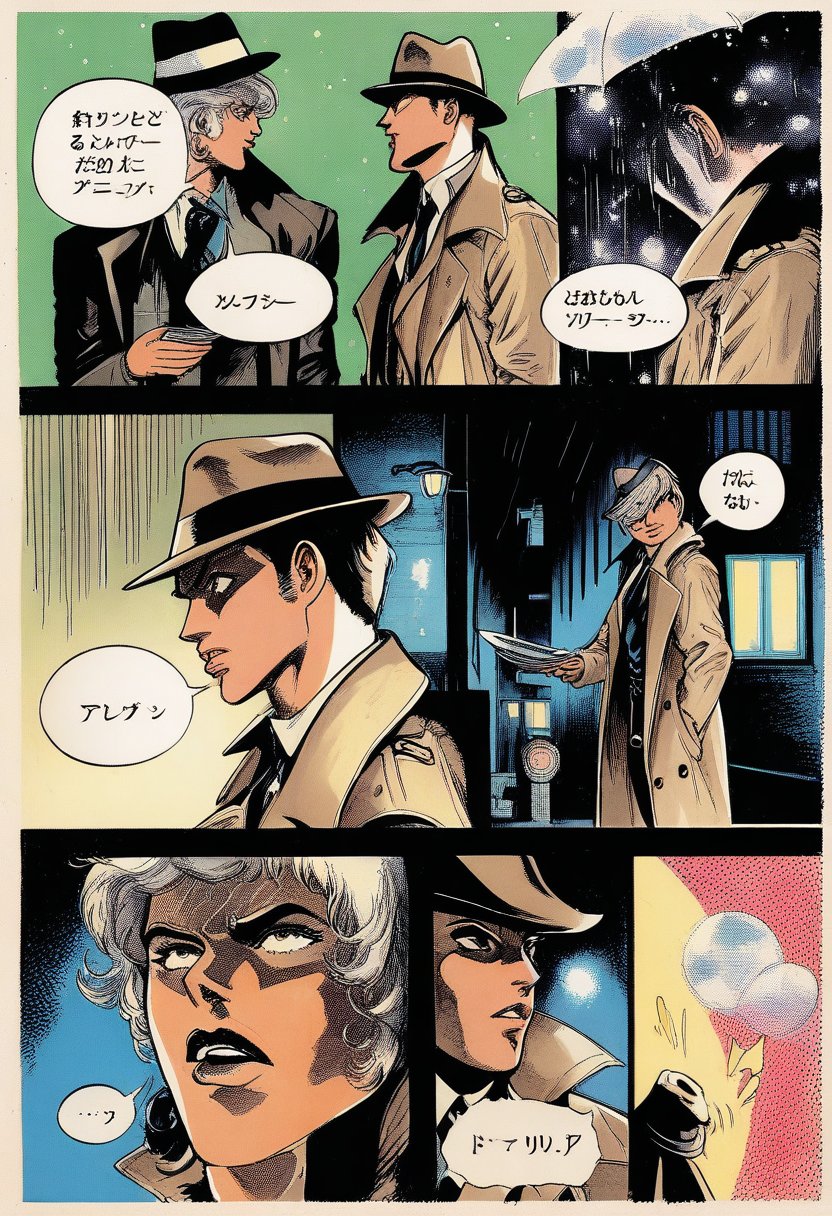
The 3x2 Grid (Six Panels) The workhorse layout. Even pacing, good for dialogue scenes and sequential action. Boring if used on every page, but reliable.
The Widescreen (3 Horizontal Strips) Cinematic feel. Each panel spans the full page width. Creates a slow, panoramic reading experience. Excellent for landscape-heavy scenes or contemplative moments.
The L-Shape One large panel takes the upper-left quadrant. Smaller panels wrap around it in an L along the bottom and right side. Draws the eye to the large panel first, then feeds details through the smaller ones.
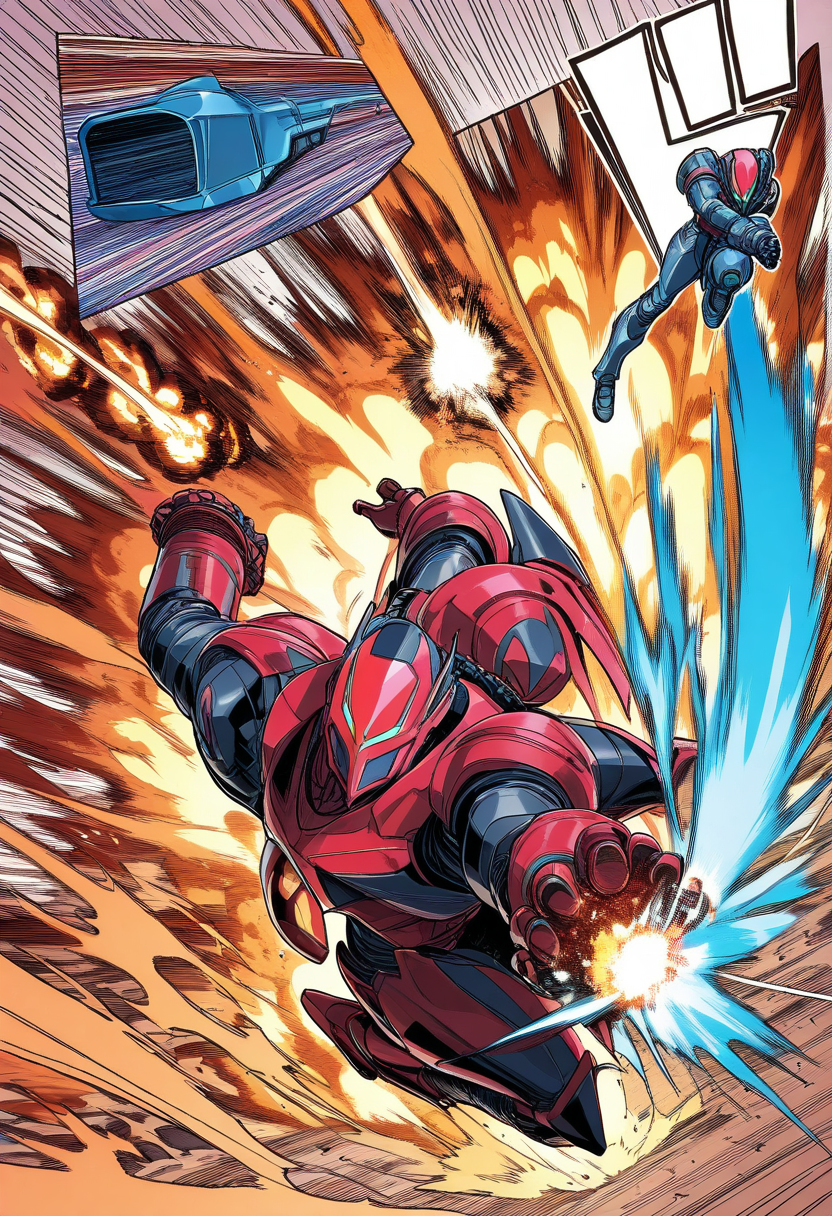
The Diagonal Split Panels separated by diagonal gutters instead of horizontal/vertical. Implies motion, conflict, or chaos. Action-oriented layouts use this to make the page itself feel dynamic.
The Inset A small panel inside a larger panel. The outer panel is the wide view; the inset is the detail — a zoomed eye, a hand grabbing something, a clock ticking. Simultaneous macro and micro storytelling.
Genre-Specific Comic Conventions
Superhero:
- Dynamic anatomy, exaggerated muscle definition
- Dramatic perspective (low angle = powerful, high angle = vulnerable)
- Speed lines and impact starbursts for action
- Bold, saturated colors
Noir/Crime:
- Heavy black shadows, minimal color (or monochrome with a single accent color)
- Tilted camera angles (Dutch angle) for unease
- Rain, wet streets, neon reflections
- Characters partially obscured by shadow
Sci-Fi:
- Clean linework, precise architectural backgrounds
- Glow effects on technology (screens, holograms, engines)
- Cool color palettes (blue, white, silver) for sterile environments
- Warm palettes for alien/organic environments
Horror:
- Irregular panel shapes (panels that feel like they are breaking apart)
- Dark panels with minimal visibility
- Extreme close-ups of eyes, mouths, hands
- Red as the only saturated color in an otherwise muted palette
The Full-Page Comic Workflow
- Script the page — panel count, shot types, dialogue
- Choose a layout — match layout to pacing needs
- Set the palette — define the emotional color temperature
- Generate — describe each panel with shot type, characters, environment
- Edit panels — refine individual panels for face consistency and detail
- Letter — add speech balloons and captions following placement rules
- Review flow — read the page naturally and verify the eye path makes sense
Comics are a visual language with its own grammar. Learn the grammar, and the ai comic generator becomes a fluent collaborator instead of a random image generator.
Related Tools
AI Manga Generator
Generate full manga pages from text prompts with consistent characters and panel layouts.
AI Illustration Generator
Generate detailed anime and manga-style illustrations from text descriptions.
AI Character Creator
Design original anime characters with unique outfits, hairstyles, and expressions.
AI Anime Art Generator
Create stunning anime artwork and illustrations with AI-powered generation.
AI Sprite Generator
Generate pixel art sprites and game-ready character assets.
Magsimulang Gumawa ng Comic gamit ang AI
Gawing dynamic na artwork ang iyong mga comic idea agad. Subukan ang AI Comic Generator nang libre at bigyang-buhay ang iyong mga kuwento gamit ang propesyonal na kalidad na comic art.
Mag-generate ng Comic Art Nang Libre