Webtoon vs Manga vs Manhwa: What's the Difference?
A complete guide to the differences between manga, manhwa, webtoons, and western comics. Reading direction, panel flow, art styles, and which format to choose for your story.
Walk into any bookstore's graphic novel section and you will find manga shelved next to western comics, manhwa mixed in with manga, and webtoon print editions scattered throughout. For readers, the differences might seem cosmetic. For creators, they are fundamental. The format you choose determines your reading direction, panel composition, pacing strategy, art approach, and target audience.
Choosing the wrong format for your story is like writing a novel in screenplay format. The content might be good, but the container works against it.
Manga: The Japanese Standard
Origins and Definition
Manga is Japanese comics. The word combines the characters for "whimsical" and "drawings," and manga has been a dominant entertainment medium in Japan for over seventy years. Modern manga evolved from post-war Japanese illustration traditions influenced by both traditional Japanese art and early Disney animation.
Reading Direction
Manga reads right-to-left, top-to-bottom. This is not just a quirk -- it fundamentally affects page composition:
- Important reveals are placed on the left side of a two-page spread
- Page-turn reveals land on the left page
- The entire visual grammar is built around this directionality
💡 Tip: If you are creating manga for a global audience, the right-to-left reading direction is part of the authentic manga experience. Most manga readers worldwide are accustomed to it and actually prefer it.
Panel Composition
Manga panels are highly dynamic. A typical manga page might have anywhere from two to eight panels, with considerable variation in size:
- Action manga tends toward fewer, larger panels with dynamic arrangements
- Dialogue-heavy manga uses more panels in structured grids
- Slanted panels, overlapping panels, and border-breaking panels are all standard tools
Art Style
Manga encompasses an enormous range of art styles, but common conventions include:
| Convention | Description |
|---|---|
| Expressive eyes | Large, detailed eyes -- particularly in shonen and shoujo |
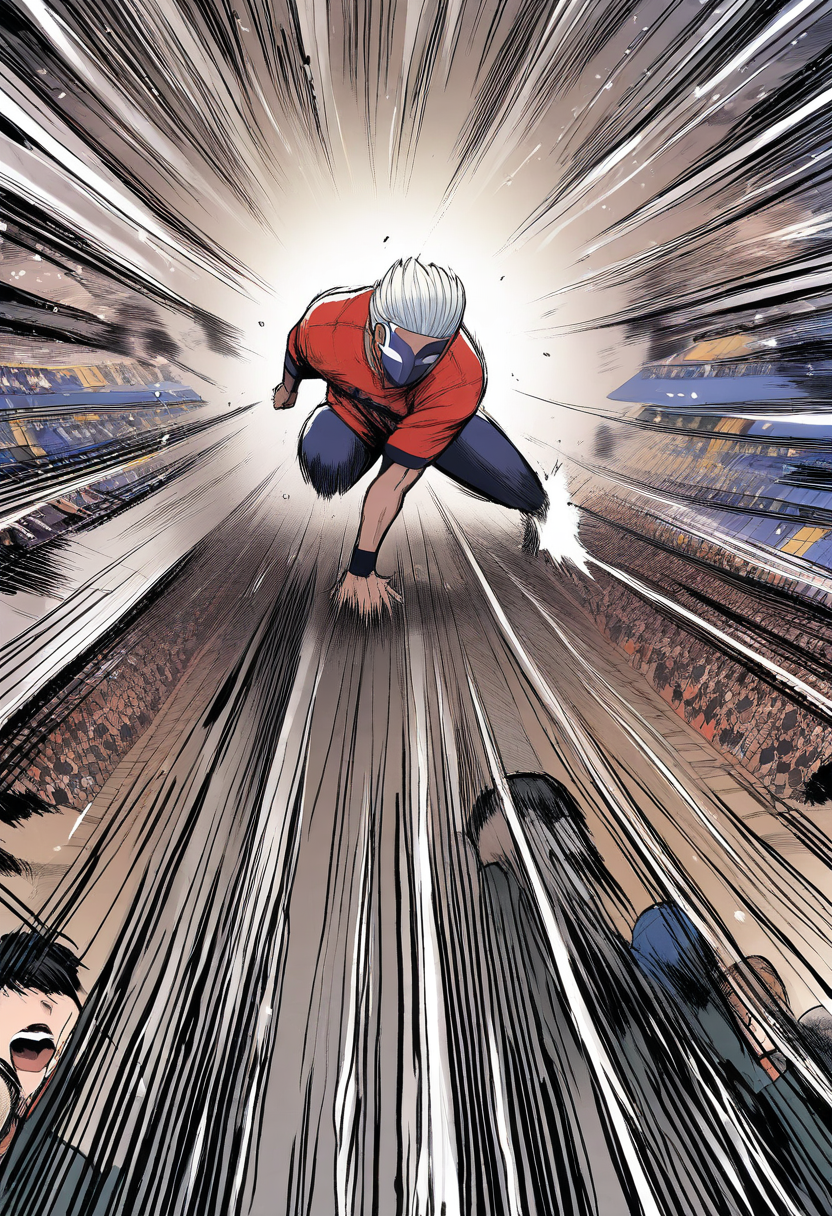
| Speed lines | Sophisticated visual vocabulary for depicting motion and impact |
| Screen tone | Dot patterns for shading, creating the distinctive grayscale look |
| Emotional shorthand | Sweat drops, anger veins, sparkle eyes |
| Black and white | The vast majority is published in grayscale |
Publication Format
Manga is traditionally published in weekly or monthly magazine anthologies (like Weekly Shonen Jump), then collected into tankobon volumes. Each chapter is typically 15-20 pages for weekly series and 30-50 pages for monthly series.
Manhwa: The Korean Approach
Origins and Definition
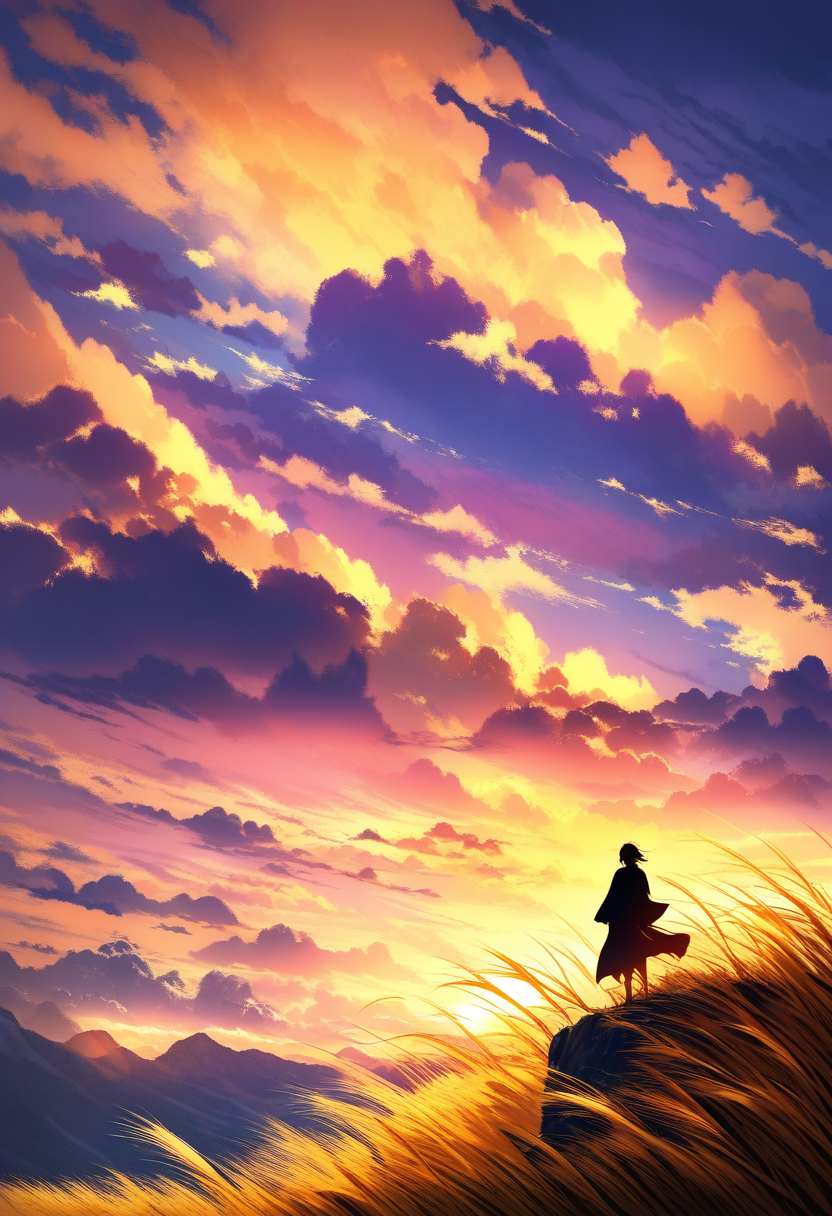
Manhwa is Korean comics. The word is cognate with manga, but manhwa has developed its own distinct identity, particularly with the rise of digital publishing over the last decade.
Reading Direction
Manhwa reads left-to-right, matching standard Korean and English reading direction. This reverses the entire visual grammar:
- Reveals land on the right side
- Page-turn surprises are on the right page
- Panel flow mirrors Western comics rather than Japanese manga
The Webtoon Revolution
The biggest development in manhwa has been the shift to digital vertical scroll format. While traditional print manhwa still exists, the dominant form of Korean comics in 2026 is the vertical-scroll webtoon. This has blurred the line between "manhwa" and "webtoon" to where many people use the terms interchangeably.
Art Style
Modern manhwa has developed a recognizable aesthetic:
- Full color -- unlike manga's black-and-white standard
- Clean line work -- smooth, precise digital lines
- Realistic proportions -- stylized but more grounded than manga
- Painted shading -- soft digital painting instead of screen tones
Popular Genres
Manhwa has particular strength in regression/reincarnation fantasy, martial arts cultivation, romance, and action. Series like Solo Leveling, Tower of God, and True Beauty represent different facets of the manhwa landscape.
Webtoons: The Digital Native
What Defines a Webtoon
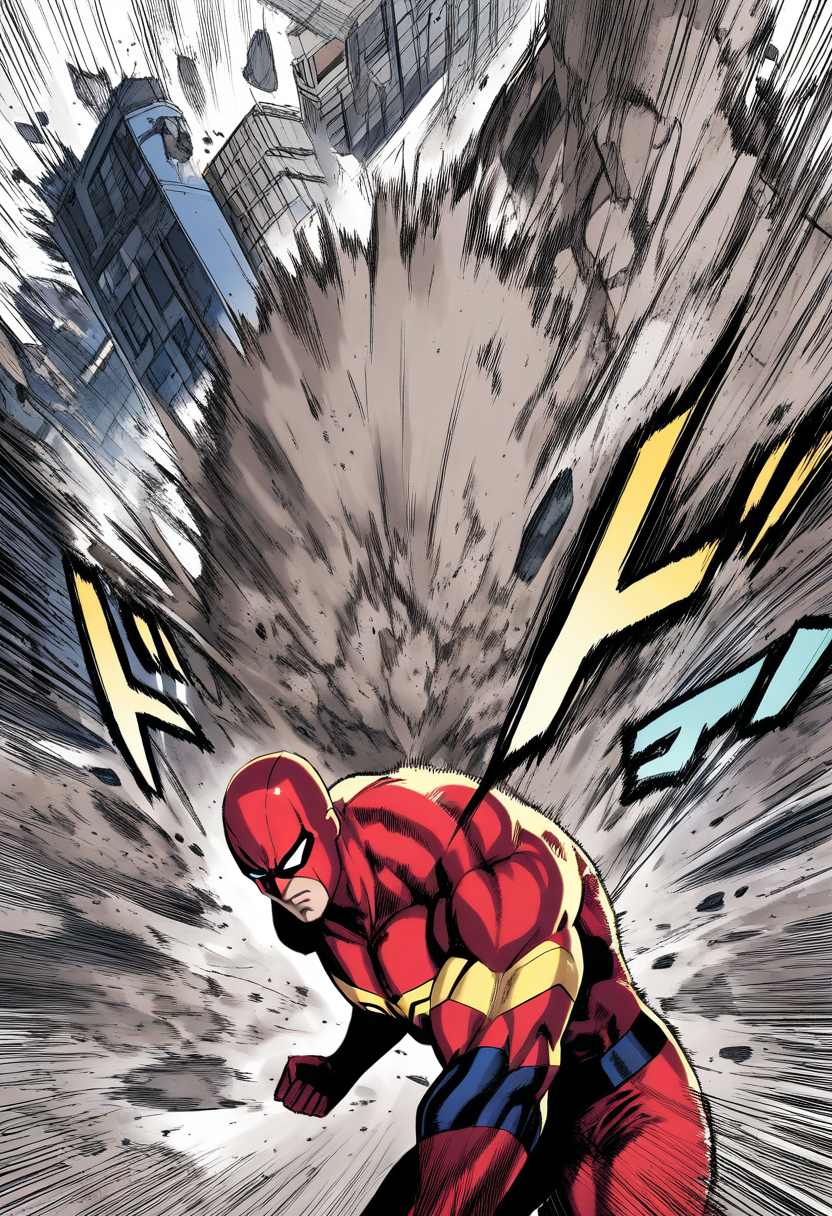
The term "webtoon" has become both a format description and a brand name. As a format, webtoon refers to comics designed for vertical scrolling on digital devices. The key distinction: webtoons are not pages displayed on a screen -- they are designed from the ground up for the scroll experience.
How the Vertical Scroll Transforms Storytelling
The vertical scroll sounds like a minor difference but it transforms everything:
| Aspect | Traditional Manga | Webtoon |
|---|---|---|
| Reveals | Page-turn reveals | Scroll-down reveals |
| Pacing | Controlled by panel arrangement on page | Controlled by vertical distance between panels |
| Composition | Each page is a composed unit | No natural compositional boundary |
| Panel viewing | Multiple panels visible simultaneously | Panels appear one at a time while scrolling |
Art Style and Production
Webtoon art has developed specific conventions driven by the format:
- Full color -- virtually always in full color
- Simpler backgrounds -- weekly color production schedule means backgrounds are often 3D-assisted
- Vertical compositions -- panels tend to be wider than tall
- Larger text -- sized for mobile phone screens
Publication and Economy
Webtoons are published on platforms like Webtoon, Tapas, Tappytoon, and Lezhin with various monetization models: ad-supported free reading, early access paid episodes, and premium subscriptions. The direct-to-audience model has democratized comic creation but also created an enormously competitive landscape.
💡 Tip: If your target audience primarily reads on phones, the webtoon format is optimized for that experience. Manga's page-based format can feel cramped on small screens without a dedicated reader app.
Western Comics: A Different Tradition
The Distinct Approach
Western comics have their own traditions that differ from all three Asian formats:
- American comics read left-to-right, published in monthly 20-24 page issues
- European comics (Franco-Belgian tradition) publish in 48-64 page hardcover albums
Key Differences from Manga
| Feature | Manga | Western Comics |
|---|---|---|
| Color | Black and white (usually) | Full color with dedicated colorist |
| Production | Single creator with assistants | Team: writer, penciler, inker, colorist, letterer |
| Panel regularity | Highly varied panel sizes and shapes | More regular, grid-based layouts |
| Visual language | Speed lines, emotional shorthand | Realistic motion, fewer symbolic shortcuts |
| Page composition | Right-to-left compositional units | Left-to-right compositional units |
Format Comparison at a Glance
| Feature | Manga | Manhwa | Webtoon | Western |
|---|---|---|---|---|
| Reading direction | Right-to-left | Left-to-right | Top-to-bottom scroll | Left-to-right |
| Color | B&W (usually) | Full color | Full color | Full color (usually) |
| Panel layouts | Highly dynamic | Moderate variation | Individual panels | Structured grids |
| Publication unit | Page (chapters/volumes) | Varies | Episode (continuous scroll) | Issue/album |
| Primary device | Print / digital reader | Phone / browser | Phone | Print / tablet |
| Typical production | Single creator + assistants | Small studio | Small studio or solo | Team of specialists |
How to Choose the Right Format for Your Story
The format should serve the story, not the other way around.
Choose Manga Format If...
- Your story benefits from dynamic panel layouts and visual pacing control
- You want the widest range of compositional tools
- Black-and-white art serves your aesthetic
- You are targeting manga readers or want the associated aesthetic
- Your story has complex action choreography
Choose Webtoon/Manhwa Format If...
- Your story is character-driven with emphasis on expressions and emotions
- Full color is important to your visual storytelling
- Your audience primarily reads on phones
- You want to publish on webtoon platforms
- Your story benefits from scroll-based reveals (horror, mystery, suspense)
Choose Western Comic Format If...
- Your story fits American or European comic traditions
- You are targeting Western comic readers specifically
- Your art style aligns with Western comic aesthetics
Creating in Multiple Formats with AI
One of the advantages of AI-powered manga creation is format flexibility. Oniichan's manga generator supports manga-style page creation with the full range of panel layouts discussed in our panel layouts guide.
The platform handles the core challenges that apply across formats:
- Character consistency through reference sheet generation works regardless of format
- Panel layout selection lets you choose compositions appropriate to your story
- Sequential context maintains continuity between pages/episodes
- Editing tools work at the page, panel, and region level for refining output
The Formats Are Converging (Sort Of)
For a practical comparison of AI versus traditional manga production, see our article on AI manga vs traditional manga creation. An interesting trend in 2026 is the blurring of format boundaries:
- Manga publishers are experimenting with full-color digital releases
- Webtoon creators are publishing print editions that reformat vertical scrolls into pages
- Manhwa artists are adopting manga-style panel complexity for action sequences
- Western comics are experimenting with vertical scroll releases on digital platforms
The core differences remain, but creators are increasingly borrowing techniques across traditions. The best creators study all formats and draw from whatever serves their story.
Start Creating
Whatever format resonates with your creative vision, the fundamentals are the same: consistent characters, thoughtful composition, and effective visual storytelling. Oniichan gives you the tools to create manga with AI-generated character consistency, intelligent panel layouts, and a pipeline that takes you from story concept to finished pages.
Explore your format. Develop your style. Tell your story. Get started with Oniichan's AI manga generator and bring your vision to life.
Ready to create your own character?
Turn your OC ideas into polished anime character art with consistent designs. No drawing skills needed.