DnD Character Art Generator: Visualize Your Party with AI
Learn how to create stunning D&D character art with AI. Covers races, classes, equipment, and prompt tips for generating fantasy character art for your tabletop RPG campaigns.
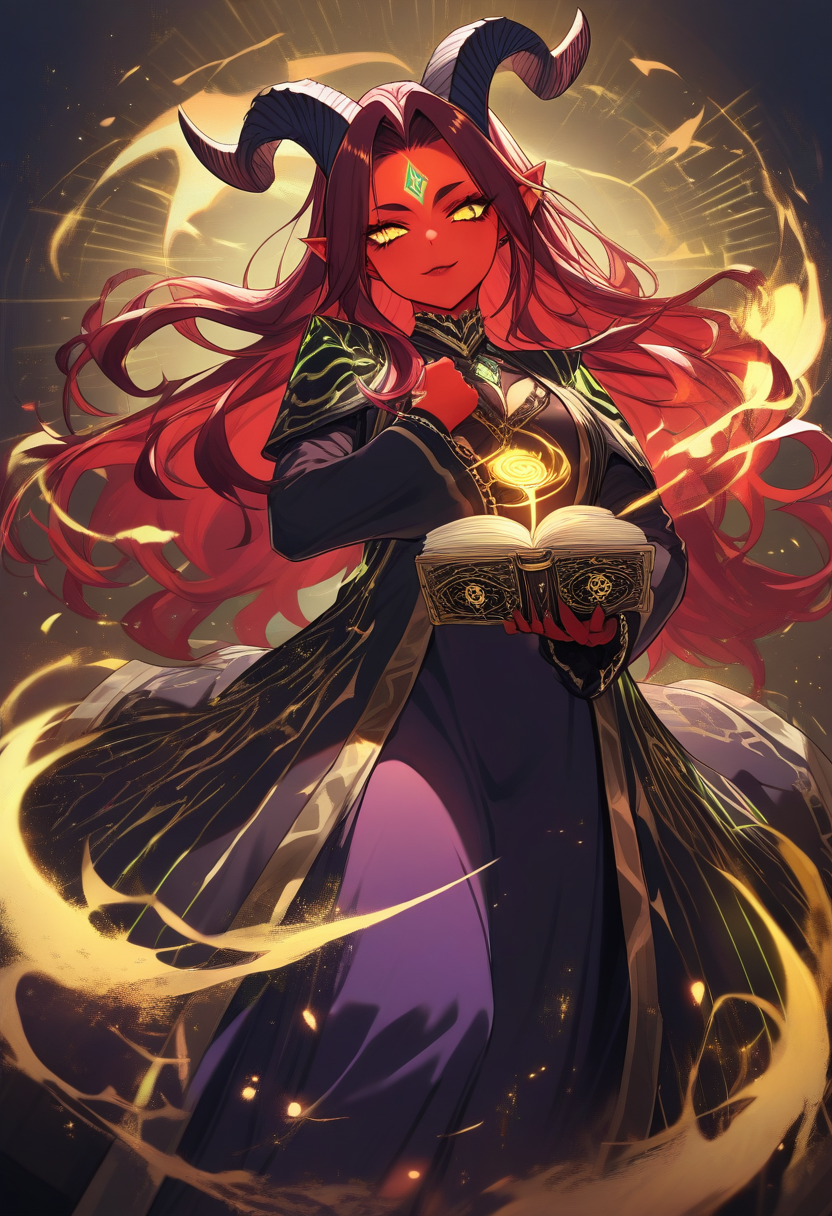
There is a moment in every D&D campaign where the game shifts from mechanics to imagination. Someone asks "what does your character actually look like?" and the table goes quiet while a player tries to describe the half-orc paladin they have been playing for three sessions but never quite pinned down visually.
Character art solves this problem. A single image of your character does more for immersion than a page of written description. It grounds the fiction, gives the party a shared mental picture, and turns a stat block into a person.
AI character art generators have become the bridge. You describe your character, and you get an illustration back that captures the race, class, equipment, and personality you have been imagining. This guide covers how to get the best D&D character art out of tools like Oniichan's DnD Character Art Generator.
Why Character Art Matters for Tabletop RPGs
This is not just about making things look pretty. Character art serves real gameplay functions.
| Function | How It Helps |
|---|---|
| Shared visualization | When everyone sees the same image, roleplay descriptions become more specific |
| Player investment | Players with character art are more attached to their characters |
| DM reference | Showing NPC/villain portraits makes encounters more impactful |
| Session recaps | Art makes stories accessible to people who were not at the table |
| VTT tokens | AI portraits cropped to circles work perfectly for Roll20 or Foundry |
Building Your Character Description
The single biggest factor in getting good AI character art is the quality of your description. A character sheet gives you all the raw material --- you just have to translate it into visual language.
Step 1: Physical Foundation
Every D&D character description should anchor on these basics:
- Race and subrace --- determines fundamental body type, skin color, ears, and features
- Gender and build --- broad-shouldered, wiry, heavyset, lean, tall, short
- Age range --- young, middle-aged, elderly, ageless (for elves)
- Skin, hair, and eye color --- be specific: "dark auburn hair with streaks of grey" beats "brown hair"
- Distinguishing marks --- scars, tattoos, heterochromia, unusual features
Step 2: Class and Equipment
Once the physical base is set, add the visual markers:
- Armor type --- cloth robes, leather armor, chainmail, full plate
- Primary weapon --- sword at the hip, staff in hand, bow on the back
- Class-specific accessories --- holy symbol, spellbook, thieves' tools pouch
- Clothing style --- practical traveling clothes, ornate ceremonial gear, ragged adventurer wear
Step 3: Personality and Mood
The difference between a generic fantasy portrait and a character portrait is personality:
- Expression --- stern, warm, mischievous, melancholy, confident
- Posture and body language --- relaxed lean, rigid military bearing, guarded stance
- One signature detail --- a feather in the hat, a chipped tooth, a ring on a chain, mismatched boots
Race-Specific Visual Guides
D&D's races each have distinct visual languages. Here is how to describe them effectively for AI generation.
Elves
Elves are defined by angular features, pointed ears, and an ageless quality. But there is significant variety:
| Subrace | Visual Identity | Color Palette |
|---|---|---|
| High Elves | Sharp cheekbones, straight posture, fine clothing | Cool silvers, golds, deep blues |
| Wood Elves | Tanned, practical hair (braids), rugged look | Greens, browns, natural tones |
| Drow | Obsidian/charcoal skin, white/silver hair | Dark metals, spider motifs, purple accents |
| Eladrin | Season-shifting appearance | Spring flowers, summer gold, autumn amber, winter frost |
Tip: Always specify the subrace. "An elf" gives generic results. "A wood elf ranger with copper skin, leaf-green eyes, and bark-brown hair pulled into a loose braid" gives you a character.
Dwarves
Dwarves are stocky, broad, and built like they could walk through a wall. The key visual markers:
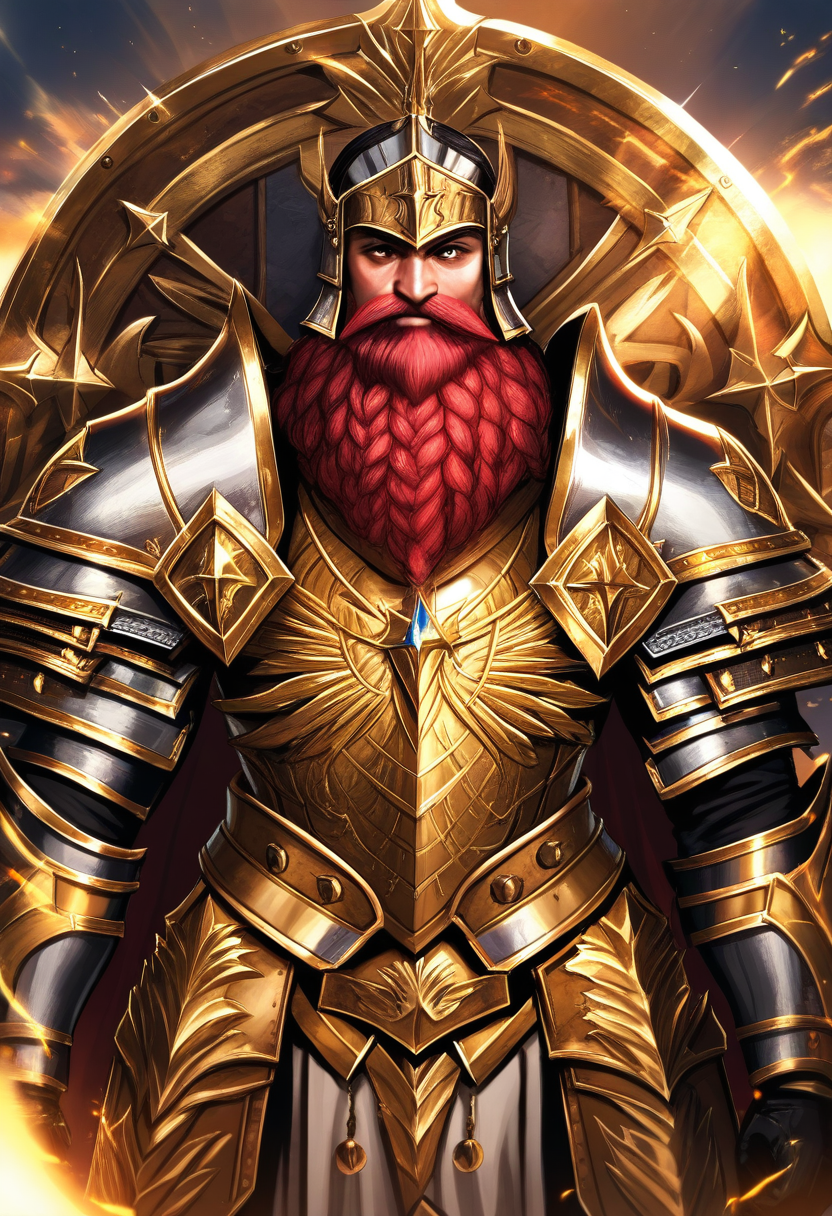
- Beards --- for many dwarves, the beard IS the character. Braided, forked, beaded, tucked into a belt, singed from forge work
- Stout proportions --- wide shoulders, thick limbs, barrel chest
- Craftsmanship in their gear --- geometric patterns, metal inlays, runes
- Complexion --- ruddy and weathered to grey-toned for Duergar
Tieflings
Tieflings are one of the most visually striking races to generate because of their infernal features:
- Horns --- ram-like curls, straight and swept back, twisted asymmetrically, broken or chipped
- Skin color --- deep red, purple, blue, ashen grey, or human tones with a slight tint
- Tail --- prehensile, usually same length as legs
- Eyes --- often solid-colored (no visible pupil) in gold, red, silver, or white
Tip: A tiefling warlock with lavender skin, silver eyes, spiral horns draped with thin chains, and a tattered black coat practically generates itself.
Dragonborn
Dragonborn need careful description because "dragon person" can be interpreted wildly:
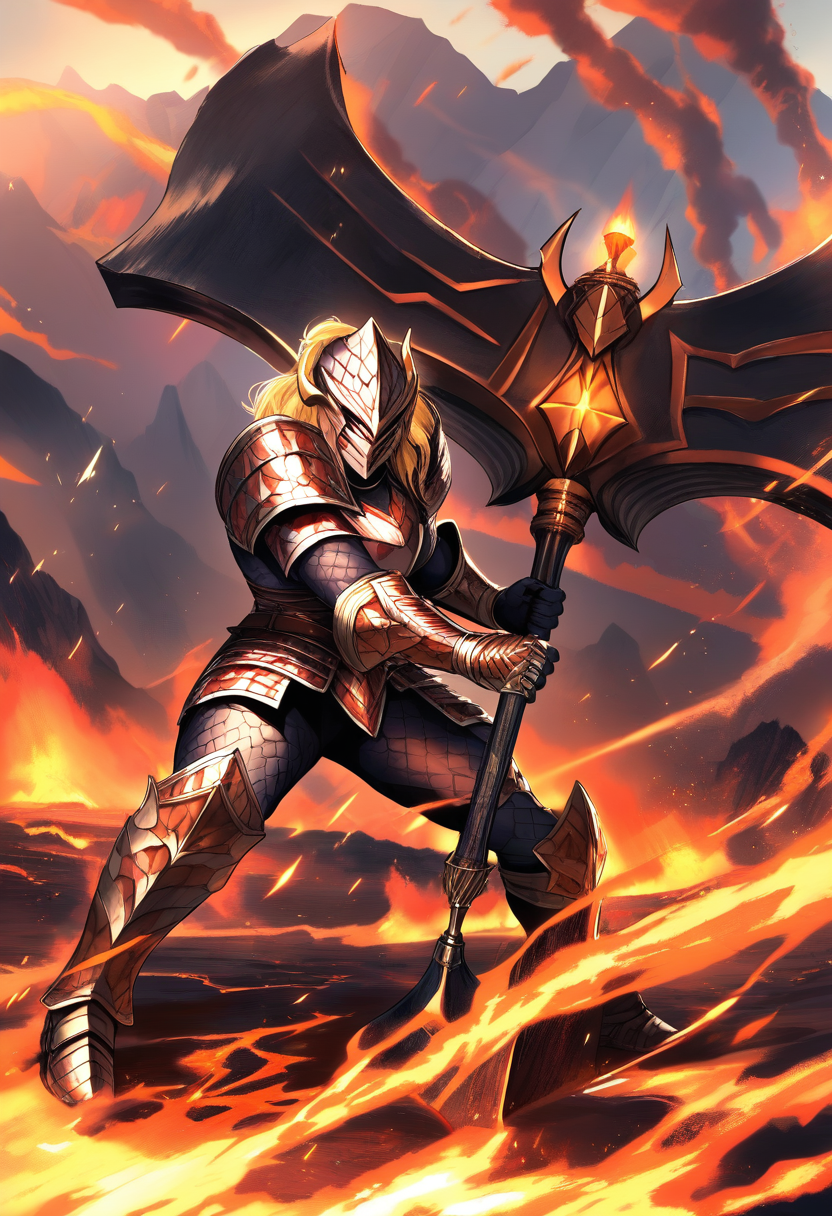
- Scale color --- tied to draconic ancestry (brass, bronze, copper, gold, silver, black, blue, green, red, white)
- Head shape --- more draconic (snout, ridges) vs. more humanoid with dragon features
- Build --- tall and muscular is standard, but not mandatory
- Tail --- present in some interpretations, absent in others (specify your preference)
Halflings and Gnomes
The small races are often under-described. Give them more than "short human."
Halflings are warm, round-featured, and barefoot. Curly hair is common. A halfling rogue should look nimble and clever, not threatening.
Gnomes have larger heads relative to their bodies, prominent noses, and a general air of curiosity. Rock Gnomes often have tinkering tools visible. Forest Gnomes have a more woodland quality.
Other Races
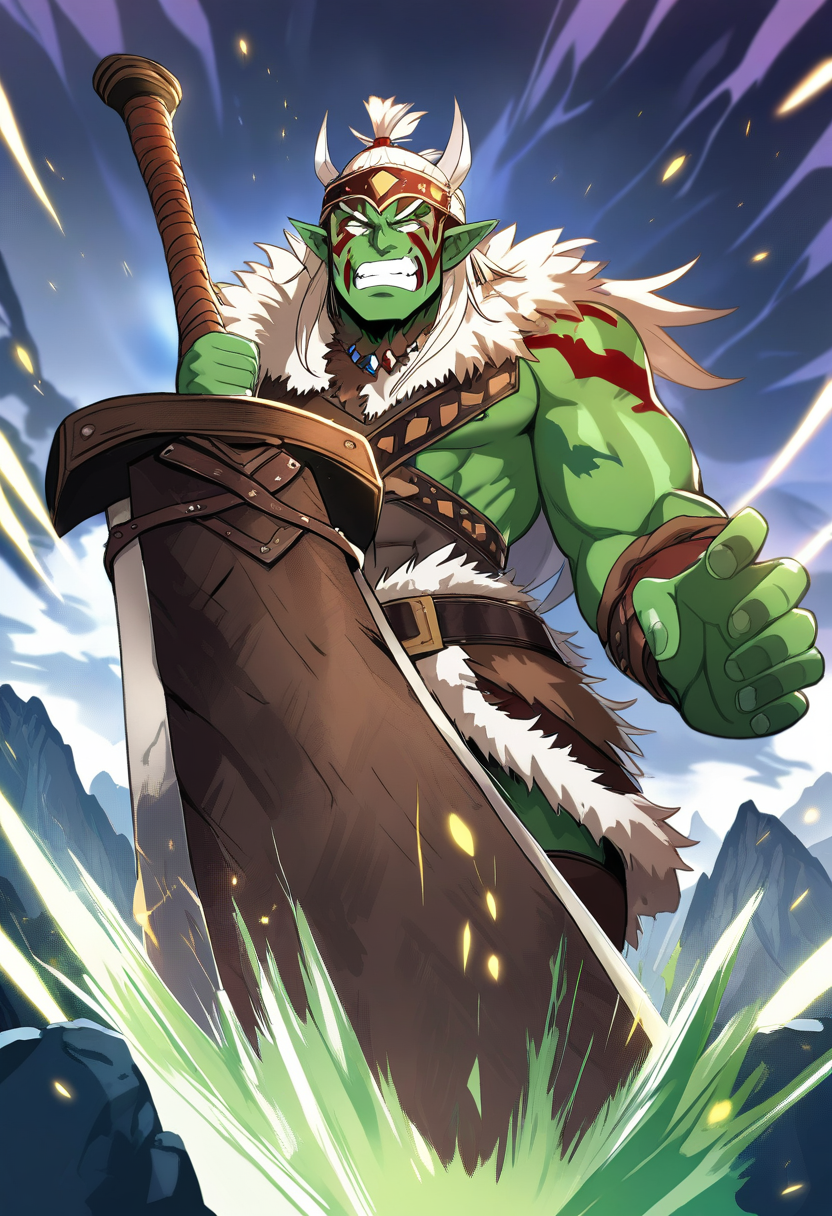
- Goliaths --- massive, grey-skinned, lithic (stone-like) markings, minimal clothing, tribal aesthetic
- Tabaxi --- feline humanoids; specify cat type: leopard-spotted, tiger-striped, solid, calico
- Kenku --- raven-like humanoids, black feathers, beak, scavenged mismatched gear
- Aasimar --- celestially touched, glowing eyes, faint radiance, sometimes spectral wings
Class Visual Language
A character's class should be readable from their appearance.
Martial Classes
| Class | Visual Identity |
|---|---|
| Fighters | Heaviest armor in the party --- battered plate, polished ceremonial, practical leather-chain |
| Barbarians | Less armor, more physicality --- exposed arms, fur cloaks, tribal markings, scars |
| Rogues | Dark, close-fitting clothing, hooded cloaks, visible daggers, pouches and belts |
| Rangers | Traveling cloaks, bows, natural colors, weathered outdoor look |
| Monks | Simple robes or wrapped cloth, no heavy armor, hand wraps or bare hands |
| Paladins | Most dramatic armor, prominent holy symbol, maintained and purposeful look |
Spellcasting Classes
| Class | Visual Identity |
|---|---|
| Wizards | Robes, spellbooks, staves, slightly disheveled academic look |
| Sorcerers | Magic as part of their body --- glowing markings, energy crackling, unusual eyes |
| Warlocks | Darker and dramatic, eldritch symbols, otherworldly quality |
| Clerics | Varies by domain (radiant light, nature motifs, war armor) |
| Druids | Natural materials, wooden staffs, animal hide, wild appearance |
| Bards | Flashiest class --- colorful clothing, instruments, feathered hats, theatrical flair |
Prompt Construction for DnD Art
Here is a template that consistently produces strong D&D character portraits with Oniichan's DnD Character Art Generator:
Example prompt: "A wood elf ranger with copper skin and leaf-green eyes, wearing weathered leather armor with a dark green cloak, carrying a longbow with carved antler tips, scanning the horizon with a guarded expression, a hawk perched on her shoulder. Detailed fantasy illustration style."
Style Keywords That Work Well
| Keyword | Effect |
|---|---|
| "Fantasy portrait" | Classic RPG book illustration feel |
| "Character concept art" | Cleaner, more design-focused |
| "Dark fantasy" | Grittier, more realistic, muted palette |
| "High fantasy illustration" | Vibrant, epic, detailed |
| "Anime fantasy" | If your group prefers that aesthetic |
| "Painterly fantasy art" | Softer edges, more atmospheric |
Use Cases Beyond Player Characters
NPCs and Villains
DMs can generate portraits for every significant NPC. The tavern keeper, the quest giver, the mysterious stranger, the campaign villain. Having a face transforms "you meet a merchant" into a memorable encounter.
Campaign Art and Scene Illustrations
Generate key scenes: the party at the gates of the ruined city, the dragon's lair, the throne room confrontation. These become the visual anchors of your campaign's story.
VTT Tokens
Generate a character portrait, crop it to a circle, and you have a token for Roll20 or Foundry VTT. Head over to the character creator to build tokens for your entire party.
Session Zero Handouts
Create visual mood boards for your campaign setting. Generate example characters, landscapes, and faction portraits. Hand these to players at session zero to align everyone's mental image of the world.
Tips for Consistency Across a Party
If you are generating art for an entire party, consistency matters. Characters from the same campaign should look like they belong in the same world.
- Lock in an art style first. Generate one character you like, then describe that same style for every subsequent character
- Use similar lighting and framing. Same shoulder-up portrait, same warm torchlight for every party member
- Reference the group dynamic. "A gnome artificer who travels with a group of larger adventurers" subtly influences the generated image
- Generate together when possible. Using the same creation workspace for all party members helps maintain visual consistency
From Description to Portrait
The workflow is straightforward:
- Translate your character sheet into visual language using the race and class guides above
- Write a structured prompt following the template
- Generate and review --- look for accuracy, not perfection
- Iterate on specifics --- adjust armor, expression, coloring, or pose
- Save your final version as your character reference
Oniichan's DnD Character Art Generator is built for exactly this kind of iterative character work. You can refine, edit, and evolve your character's appearance over time, just like the character evolves over the course of a campaign. For more character design techniques, see our guide on how to create anime characters with AI, and if you want to turn your campaign into a visual story, explore AI comic creation.
Ready to create your own character?
Turn your OC ideas into polished anime character art with consistent designs. No drawing skills needed.