My Hero Academia OC Maker: Design Your Own Pro Hero
A complete guide to creating My Hero Academia original characters. Design quirks, hero costumes, U.A. uniforms, and hero names that fit perfectly into the MHA universe.
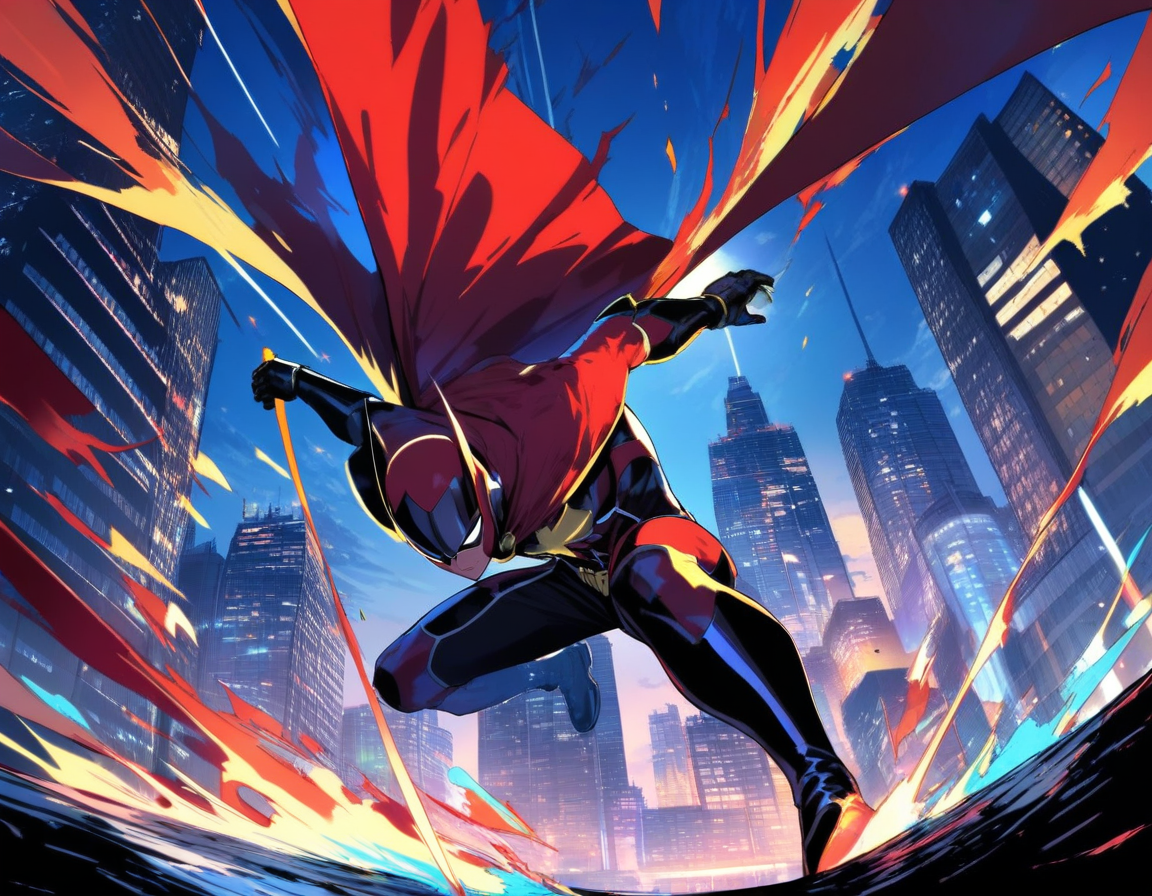
My Hero Academia built one of the most compelling superhero frameworks in anime by grounding its world in a simple, elegant system: quirks. In a society where eighty percent of the population has some kind of superpower, the interesting question is not whether you have abilities but what you do with them, how society categorizes you because of them, and what it costs to become a hero.
That framework is also what makes MHA one of the best universes for creating original characters. The quirk system gives you clear rules, hero society provides instant context and conflict, and the U.A. school setting offers a built-in story structure.
This guide covers everything you need to build an MHA OC that feels like they belong in Horikoshi's world.
Understanding the Quirk System
Quirks are the foundation of every MHA character, so your OC design should start here. The series categorizes quirks into three types.
Emitter Quirks
Emitter quirks let the user produce or control something external to their body. Bakugo's Explosion, Todoroki's Half-Cold Half-Hot, and Uraraka's Zero Gravity are all emitter types. The user's body remains fundamentally human; the power projects outward.
Emitter quirks are the most common and most flexible for OC creation. The key is defining activation conditions and limits clearly. What triggers it? What does overuse look like? Can it be turned off?
Tip: The best emitter quirks in MHA have a clear physical tell. Bakugo sweats nitroglycerin. Todoroki's body temperature shifts. Give your emitter quirk a visible sign that it is active.
Transformation Quirks
Transformation quirks change the user's body temporarily. Kirishima's Hardening, Mt. Lady's Gigantification, and Togata's Permeation. The power alters physical form and reverts when deactivated.
Transformation quirks create natural tension because they change how the character looks and interacts with the world. A character who must become monstrous to fight has a different emotional arc than one who shoots fire from a distance.
Tip: Define the transition. How long does it take? Is it painful? Can they partially transform or is it all-or-nothing? These details make the quirk feel real.
Mutant Quirks
Mutant quirks permanently alter the user's body. Tsuyu's frog physiology, Tokoyami's bird head, Shoji's multiple arms. Always active, cannot be turned off.
Mutant quirks carry the most social weight in MHA's world. Characters with visible mutations face discrimination and assumptions based on appearance, making mutant-type OCs inherently rich in character drama.
Quirk Type Comparison
| Type | Always Active? | Body Change | Social Impact | Design Freedom |
|---|---|---|---|---|
| Emitter | No (usually) | Minimal | Low to moderate | Highest |
| Transformation | No | Temporary | Moderate | High |
| Mutant | Yes | Permanent | High | Most distinctive |
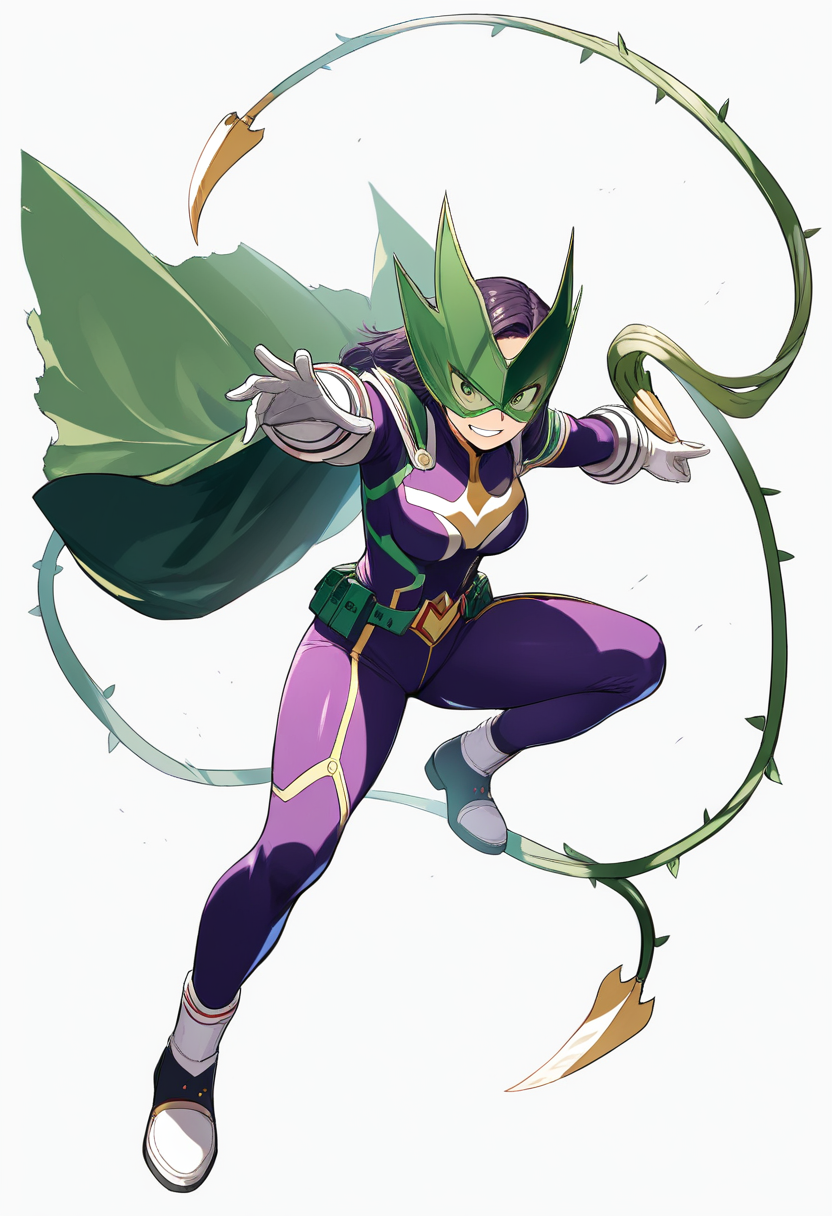
Designing Your Quirk
Now that you understand the categories, here is how to build a quirk that feels like it belongs in MHA.
1. Start With a Limitation
This sounds counterintuitive, but the best MHA quirks are defined by what they cannot do. One For All breaks the user's body. Overhaul requires physical contact. Erasure only works while maintaining eye contact.
Before you decide what your quirk does at full power, decide what stops it from being used at full power all the time.
2. Build in a Physical Cost
Horikoshi is consistent about quirk overuse having consequences. Your quirk needs a cost that scales with use, creating a natural risk-reward calculation.
Good physical costs:
- Muscle fatigue or sensory overload
- Body temperature extremes
- Dehydration or bleeding from activation points
- Temporary loss of a sense
- Shortened lifespan with overuse
3. Make it Visually Distinct
MHA fights work because they are visually clear and dynamic. Each quirk looks different. Think about what yours looks like in action: what color is the effect? Does it produce sound? Does it change the environment?
Quirk Concept Examples
Resonance (Emitter) -- Match and amplify vibration frequencies in any material touched. Can shatter concrete or stabilize a collapsing building. Overuse causes severe joint pain. Physical tell: fingertips glow faint amber when active.
Ink Body (Transformation) -- Convert body into liquid ink-like substance, flowing through gaps and hardening into sharp shapes. Cannot maintain liquid form for more than four minutes before consciousness starts dissolving. The transformation is visible and unsettling.
Glass Skin (Mutant) -- Transparent crystalline skin reveals internal organs. Extremely durable (bulletproof glass equivalent) and can refract light for blinding flashes. Internal injuries visible to everyone --- both a tactical disadvantage and social discomfort.
Thread Control (Emitter) -- Generate ultra-fine threads from fingertips, capable of cutting steel at high tension. Maximum range fifty meters. Generating too much causes fingers to crack and bleed. Threads are nearly invisible --- excellent for stealth but hard to demonstrate for licensing exams.
Hero Names and Identity
Choosing a hero name is a rite of passage in MHA. Hero names follow a few patterns:
| Pattern | Examples | What It Communicates |
|---|---|---|
| Descriptive | Eraserhead, Suneater, Froppy | Direct reference to quirk or style |
| Symbolic | All Might, Endeavor, Hawks | Broader concept or image |
| Wordplay | Deku, Dynamight, Tsukuyomi | Puns or phonetic tricks |
For your OC, the hero name should feel natural spoken aloud and give some hint of what the character does without explaining everything. A hero called "Shatterpoint" tells you they break things. A hero called "Veil" tells you they hide things. Neither gives away the full picture.
Designing the Hero Costume
MHA hero costumes serve two purposes: they enhance the quirk and they express personality. The best costumes are functional first and stylish second.
Quirk Support Features
Every U.A. student's costume is designed by a support company to complement their quirk:
- Bakugo's grenade gauntlets store sweat for bigger explosions
- Uraraka's suit has pressure points to manage nausea
- Deku's gloves channel air pressure for ranged attacks
Think about what equipment would make your character's quirk safer, more effective, or more versatile.
The U.A. Uniform Base
If your character is a U.A. student, they also need the standard school look for non-combat scenes: grey blazer, white shirt, red tie, green pants or skirt. This shared uniform ties your OC to the school.
Aesthetic Choices
| Hero Type | Costume Style | Color Approach |
|---|---|---|
| Rescue hero | Bright, visible, friendly silhouette | High visibility colors |
| Combat hero | Armored, imposing, functional | Bold, contrasting |
| Stealth hero | Dark, form-fitting, minimal | Muted, low profile |
| Underground hero | Practical utility clothing | Whatever works |
Color and Motif
Pick a color scheme that connects to the quirk visually:
- Thread Control: red and white (thread and bandages)
- Glass Skin: clear panels and prismatic accents
- Resonance: amber and dark bronze (matching quirk glow)
Add a recurring motif to tie the design together: a shape (hexagons, spirals), a material (leather, mesh), or a theme (medical, military, traditional Japanese).
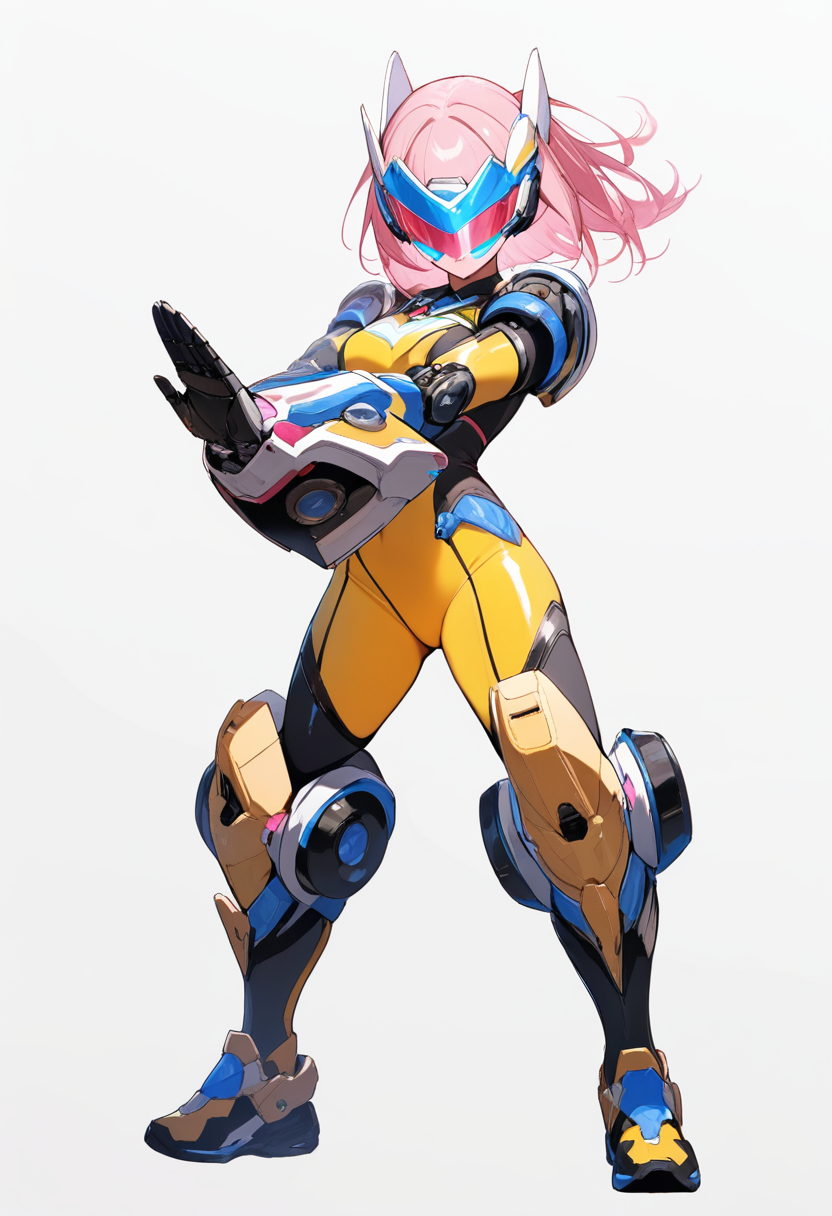
Hero Agency and Career Path
In MHA's world, heroes do not just fight villains. They run agencies, specialize, and navigate a ranking system.
Career Planning Questions
-
What kind of hero do they want to be? Combat specialist, rescue hero, underground operative, investigator, support?
-
Who do they intern with? The internship arc is major in MHA. Picking a pro hero mentor creates an instant relationship dynamic and influences fighting style.
-
Where do they rank? A hero who is incredibly effective but terrifying to civilians might rank lower than a less powerful hero with great PR. Where your OC sits on this spectrum says a lot about them.
-
What is their hero agency like? Build their own, join established, or work solo? This long-term goal gives direction beyond school.
Generating Your MHA OC with AI
Oniichan's My Hero Academia OC Maker is designed to handle the specific visual language of MHA.
How to Get the Best Results
Describe the quirk visually. Instead of naming the quirk, describe what it looks like when active. "Amber energy rippling across their forearms" gives the generator more than "vibration powers."
Specify the costume context. State whether you want the hero costume, U.A. school uniform, or casual clothes. MHA characters look very different across these contexts.
Reference the MHA art style explicitly. Mention Horikoshi's style: bold outlines, dynamic poses, expressive faces, detailed costume rendering.
Include personality in the pose. A confident character stands differently than a nervous one. Mention the character's attitude.
Example Prompt Structure
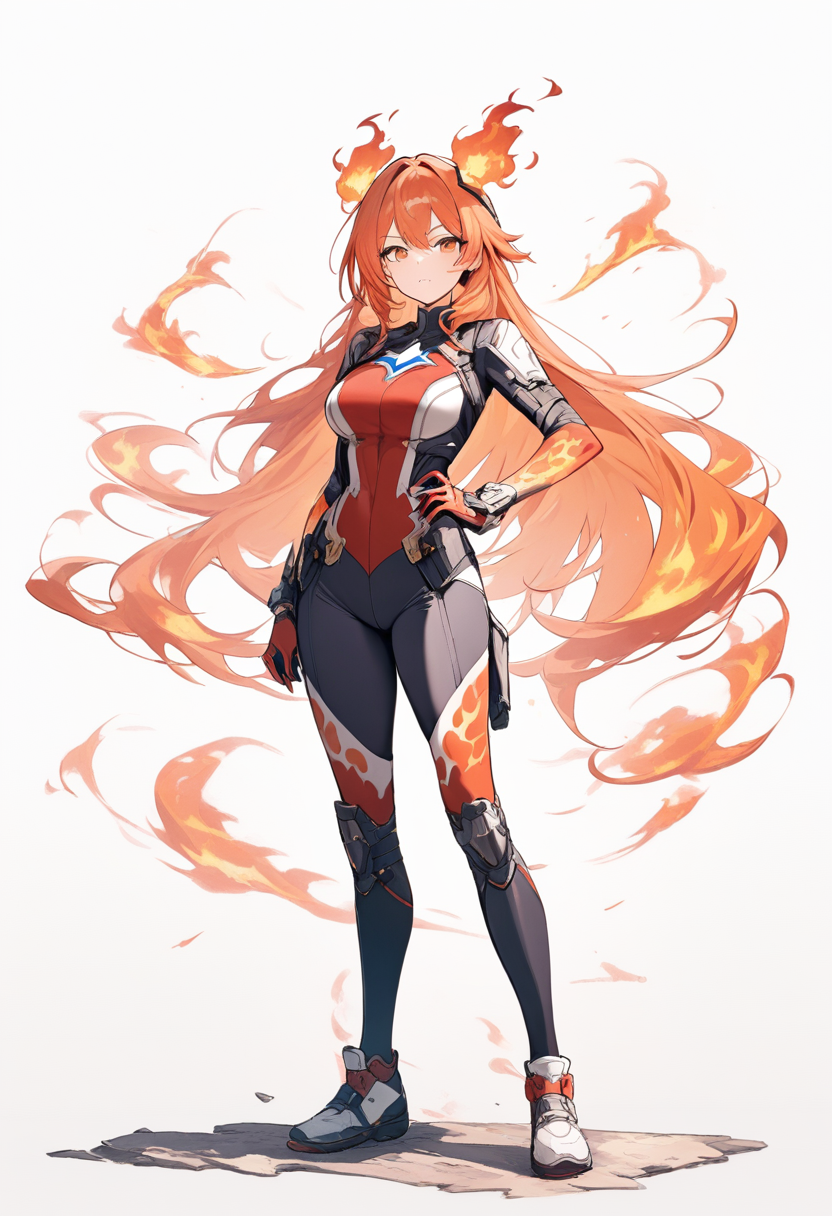
"A confident young hero in training wearing a dark blue and amber hero costume with armored forearms and a visor. Amber energy ripples across their hands showing their quirk activation. Dynamic action pose, determined expression. My Hero Academia art style, detailed character sheet."
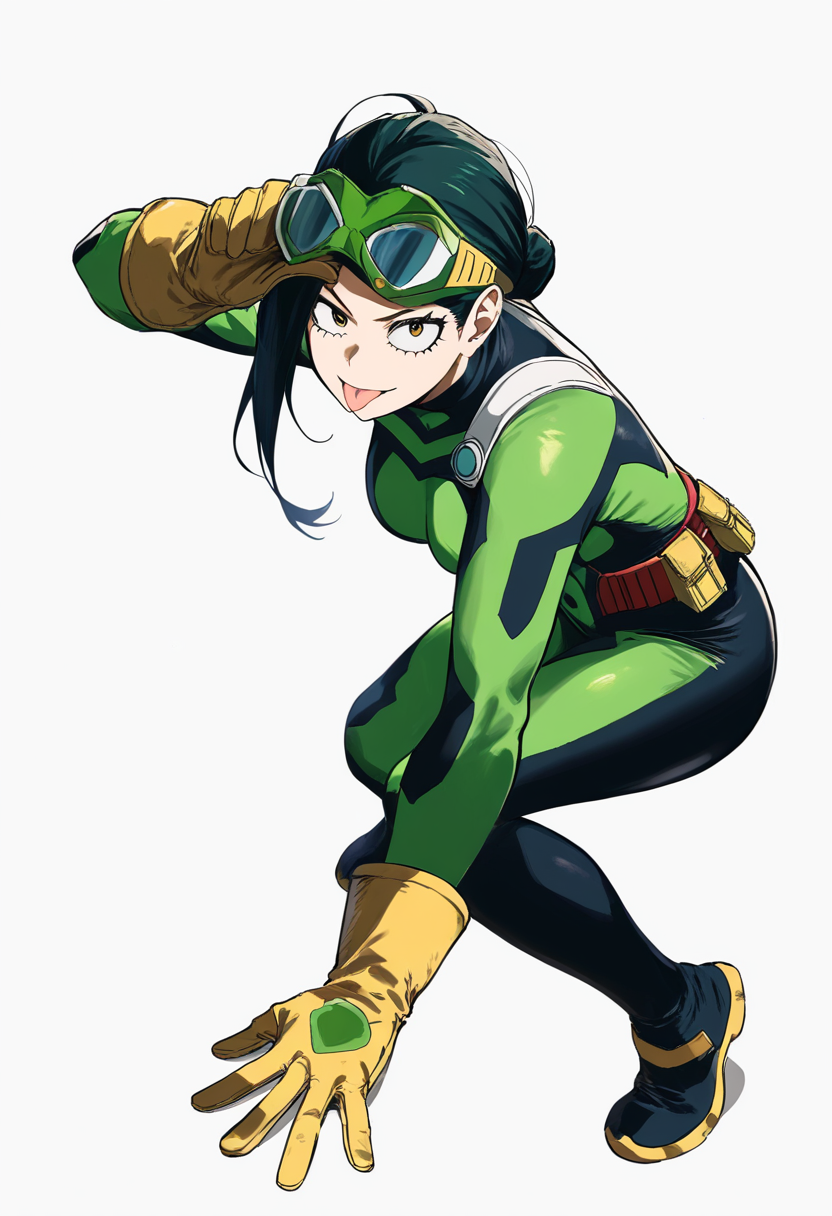
From Character Sheet to Full Story
Once your OC's look is locked down, take them further with Oniichan's manga creation tools:
- Save your character to the library
- Build a scene --- U.A. classroom, villain encounter, hero licensing exam
- Generate pages with your character maintaining visual identity across panels
- Create a whole class of OCs with rivalries, teams, and your own Sports Festival
Common MHA OC Mistakes to Avoid
Quirks With No Limits
If your character can do anything without consequences, they have no tension. Every quirk needs clear boundaries and costs.
Backstory That Overshadows the Present
A tragic past is fine, but the character should be defined by who they are now and who they are becoming. MHA is fundamentally optimistic --- characters grow toward something.
Copying Existing Characters Too Closely
Taking inspiration from Todoroki or Bakugo is normal, but if your OC is just "Todoroki but different colors," push beyond the initial inspiration.
Ignoring the Social Context
MHA's world has complex attitudes toward quirks, heroism, and power. A character who never interacts with hero society's structures misses what makes the setting interesting.
Overdesigned Costumes
MHA costumes are detailed but readable. If yours has fifteen materials and eight colors, it will not read clearly in manga panels. Simplify until the silhouette is distinctive.
Putting It All Together
The MHA universe rewards thoughtful character design because its systems are clear and consistent.
- Start with the quirk and its limitations
- Build the character's personality around how they relate to that power
- Design the costume to support the quirk and express the personality
- Choose a hero name that captures their identity in a word or two
- Place them in the world: school, mentor, goal, conflict
When you are ready to see your character come to life, Oniichan's MHA OC Maker turns your description into character art that matches the series aesthetic. And when you want to go beyond a single character sheet, the manga tools let you build the stories those characters deserve.
Start creating your MHA OC now and design the hero you would want to see in the next arc. Want to create characters in other anime universes? Try the JJK OC Maker or the One Piece OC Maker, or explore all available franchises in our franchise OC makers guide.
Ready to create your own character?
Turn your OC ideas into polished anime character art with consistent designs. No drawing skills needed.