FNAF OC Maker: Design Your Own Animatronic Character
Learn how to create original Five Nights at Freddy's characters with our FNAF OC maker. Design classic animatronics, Glamrock styles, Sister Location robots, and more with AI-powered character generation.
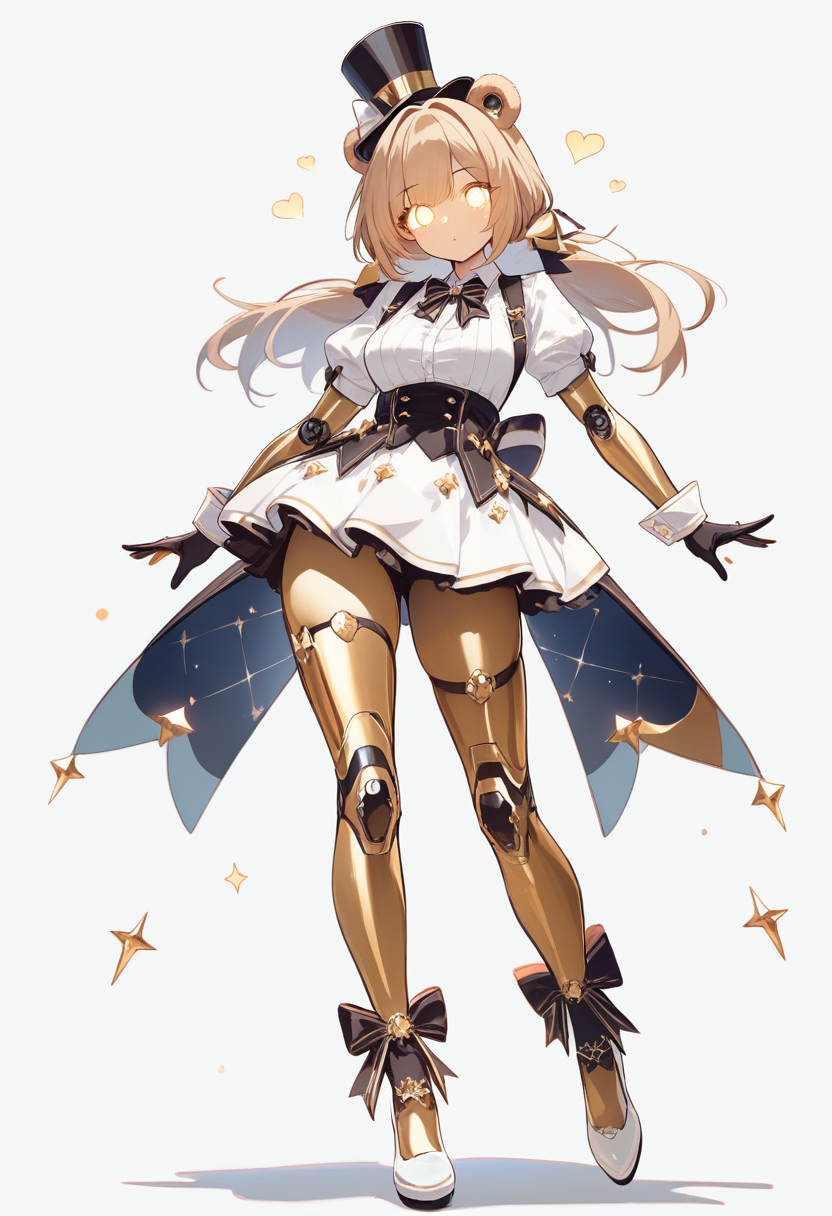
Five Nights at Freddy's has one of the most creative fan communities in gaming history. From the original Freddy Fazbear's Pizza crew to the neon-soaked Glamrock performers, the franchise has given fans an incredible visual language to work with. And if you have ever sketched an animatronic on notebook paper during class or spent hours imagining your own pizzeria lineup, you already know the pull of FNAF character creation.
Building a truly original FNAF OC goes beyond slapping a color palette on a bear. The best animatronic OCs feel like they belong in the lore, with design choices that hint at backstory, a specific era of the timeline, and the right balance of cute mascot energy and underlying horror.
This guide walks through everything you need to design a standout FNAF original character, whether you are drawing by hand or generating one with AI tools like Oniichan's FNAF OC Maker.
Understanding Animatronic Design Eras
The FNAF franchise spans multiple locations, timelines, and visual identities. Before you start designing, it helps to know which era your character belongs to. Each one comes with distinct materials, proportions, and aesthetic rules.
Classic Animatronics (FNAF 1)
The originals. Freddy, Bonnie, Chica, and Foxy set the template that every later design riffs on. Classic animatronics have a few defining traits:
- Chunky, rounded bodies with visible joint segments at the shoulders, elbows, and knees
- Plastic or fiberglass shells over an endoskeleton, with a slightly worn, matte finish
- Simple color blocking --- each character is dominated by one or two saturated colors
- Fixed facial expressions that look friendly from a distance but uncanny up close
- Bow ties, top hats, and bibs as signature accessories tied to their performer roles
Tip: If your OC belongs to the classic era, think about what stage role they would fill. Are they a singer, a guitarist, a greeter? Their instrument or prop becomes part of their silhouette. Keep the shapes soft and the color count low. The horror comes from context, not from the design itself being overtly scary.
Withered and Toy Animatronics (FNAF 2)
FNAF 2 introduced two parallel lines. The Withered animatronics are decayed versions of older models. The Toy animatronics are their glossy, plastic replacements with rosy cheeks and a manufactured friendliness.
For a Withered-style OC:
- Expose the endoskeleton in at least one area (an arm, the jaw, part of the torso)
- Add asymmetry --- one eye bigger than the other, a drooping ear, a cracked face plate
- Use muted, dirty versions of what were once bright colors
- Include hanging wires or loose parts that suggest neglect
For a Toy-style OC:
- Go glossy and smooth, almost doll-like
- Add plastic blush circles on the cheeks
- Keep proportions slightly more humanoid and less bulky than the classics
- Use brighter, more saturated colors with a "freshly manufactured" look
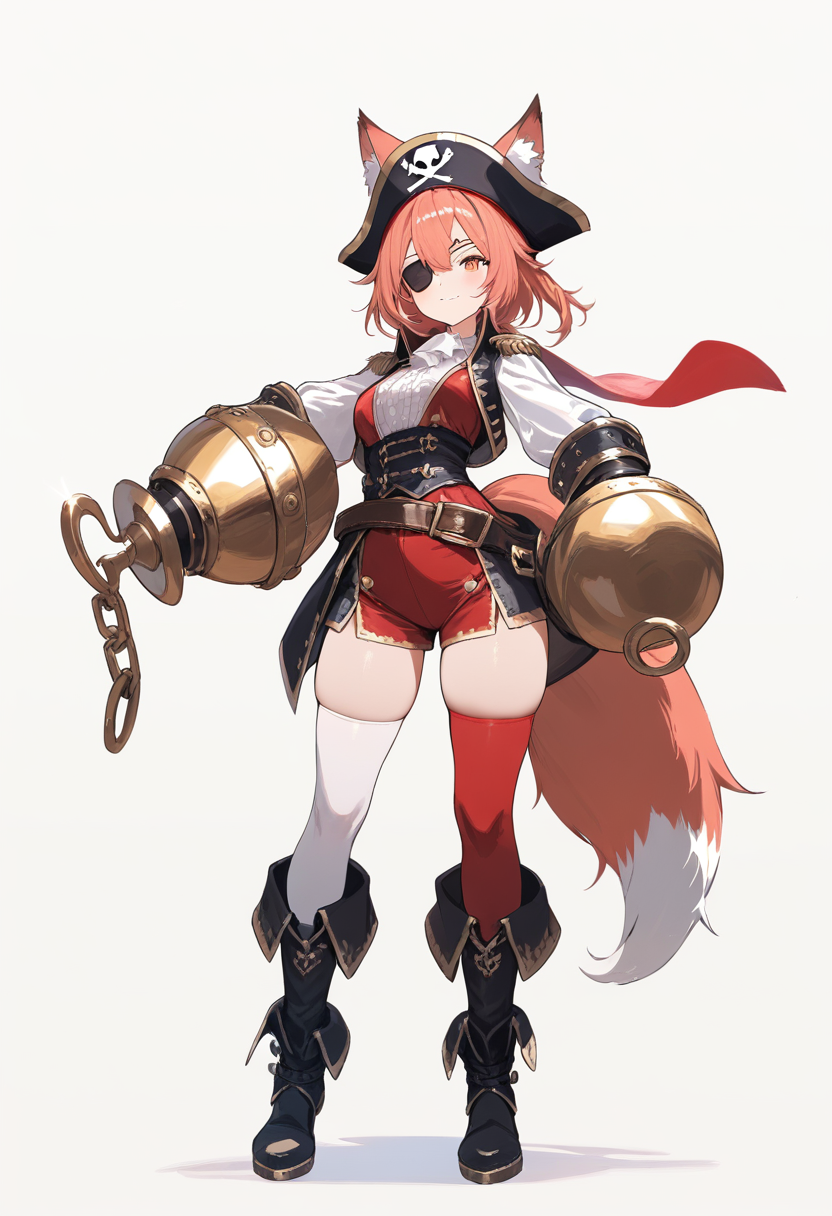
Phantom and Nightmare Animatronics (FNAF 3 and 4)
Phantoms are burnt, translucent hallucination versions. Nightmares crank the horror dial to maximum with exposed teeth, claws, and multiple rows of fangs. These are the most overtly frightening designs in the series.
Designing a Nightmare-style OC means:
- Exaggerated proportions --- longer limbs, bigger heads, wider mouths
- Exposed metal teeth and claws that break the friendly mascot silhouette
- Tears and rips in the outer shell revealing a more sinister interior
- Dark, desaturated palettes with occasional sharp highlights (glowing eyes, metallic teeth)
Funtime and Sister Location Animatronics (FNAF: Sister Location)
Sister Location introduced a sleeker, more segmented design language. Funtime animatronics look expensive. They are built for private entertainment, not a budget pizza chain.
| Feature | Classic Style | Funtime Style |
|---|---|---|
| Color palette | Saturated primaries | White and pastel with metallic accents |
| Build | Chunky, rounded | Elegant, segmented |
| Surface | Matte, slightly worn | Glossy, pristine |
| Proportions | Stocky mascot | Dancer-like, lean |
| Special features | Instruments, hats | Faceplates that split, built-in tech |
Funtime OCs should feel like luxury products. Think high-end robotics showroom rather than Chuck E. Cheese.
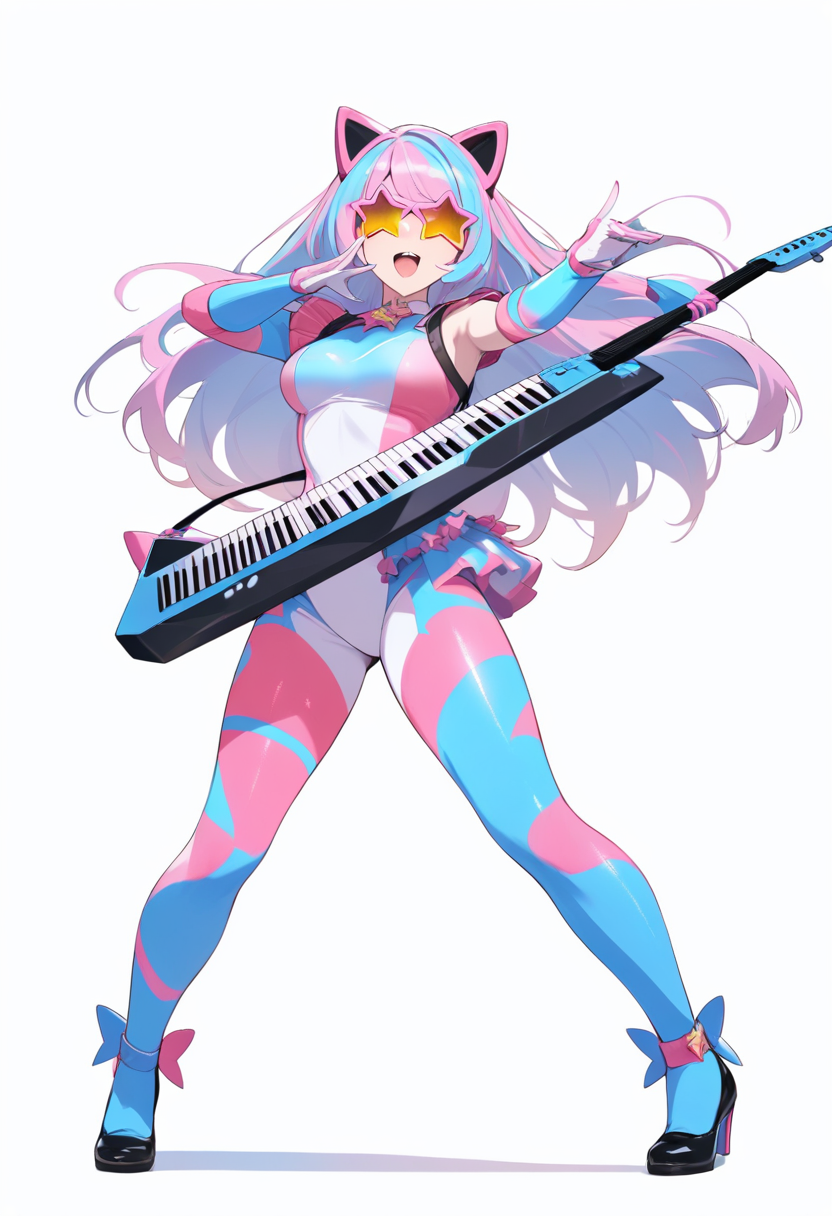
Glamrock Animatronics (Security Breach)
The newest major era brings FNAF into a massive entertainment complex with a rock concert aesthetic. Glamrock animatronics are bold, flashy, and designed to be cool rather than cute.
For Glamrock-style OCs:
- Star-shaped accessories --- sunglasses, earrings, belt buckles
- 80s rock and glam metal influences --- big hair equivalents, leather-look textures, studs
- Neon and metallic color schemes --- hot pink, electric blue, gold, chrome
- Athletic or performance-ready builds --- designed to move and dance
- Individual style identities --- each Glamrock has a distinct fashion personality
Tip: Glamrock OCs are the most expressive in terms of fashion. Lean into personality. Give them a vibe: punk, disco, metal, pop. Their outfit should tell you what kind of music they play before you hear a note.
Choosing Your Animal Base
Every FNAF animatronic starts with an animal. The original four cover bear, rabbit, chicken, and fox, but the franchise has since expanded. When picking your animal base, consider three things:
Silhouette readability. The best FNAF characters are instantly recognizable from their outline alone. Freddy's round ears, Foxy's hook, Bonnie's long ears --- these read at a glance. Choose an animal with a strong, distinctive silhouette feature: antlers, tusks, a long tail, prominent horns.
Personality association. Animals carry cultural baggage. A snake animatronic feels sneaky and dangerous. A deer feels gentle but potentially eerie. An owl suggests wisdom and watchfulness (perfect for a security-themed character). Use these associations to reinforce your character's role in the lore.
Unexplored territory. The franchise has not touched certain animals that would work brilliantly as animatronics. Bats, ravens, chameleons, octopuses, and moths all have visual potential that has not been tapped in official FNAF designs. Going with an underused animal helps your OC stand out immediately.
The Pizzeria Aesthetic: Environment Matters
A great FNAF OC does not exist in a vacuum. They belong to a location, and that location shapes their design.
| Venue Type | Design Implications |
|---|---|
| Family pizza restaurant | Bright primary colors, stage presence, kid-friendly face |
| Underground rental facility (Sister Location) | Sleek, private, expensive-looking |
| Mega entertainment complex (Security Breach) | Flashy, branded, larger than life |
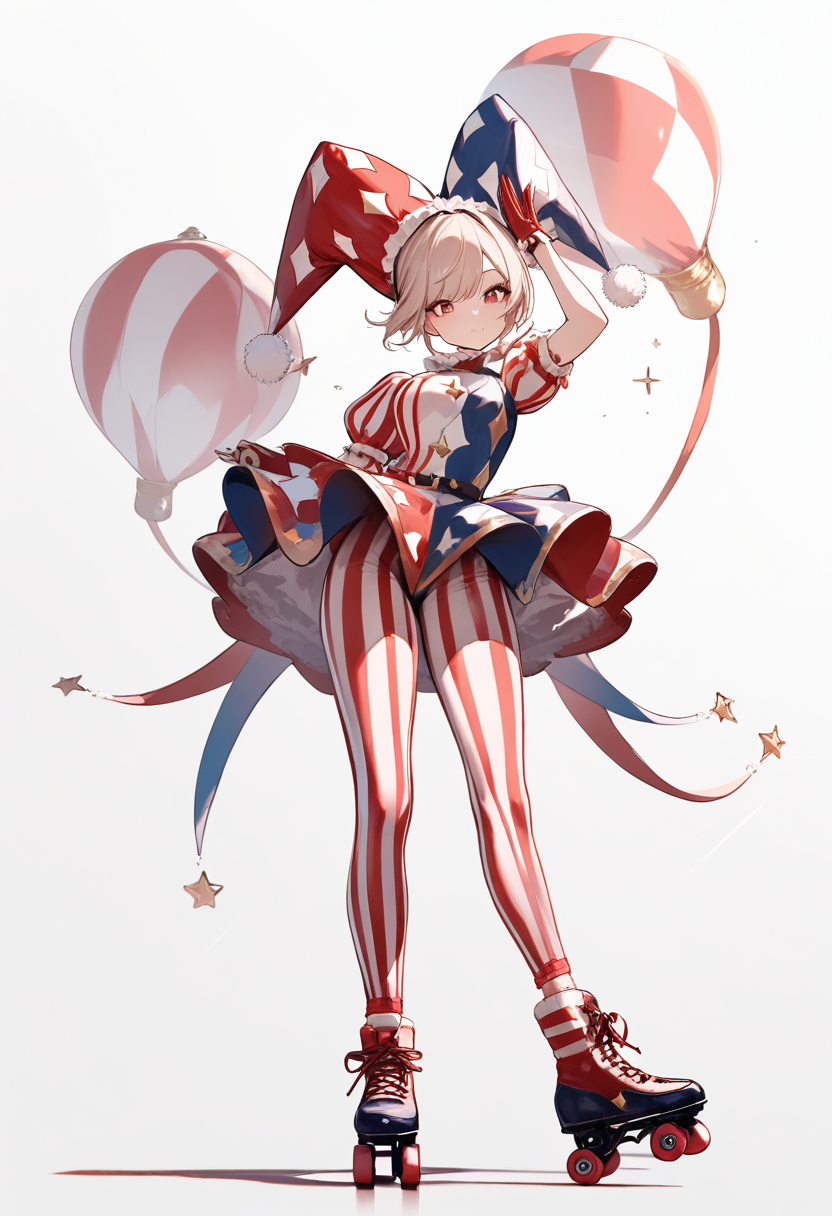
| Traveling carnival or circus | Painted details, rougher finish, ringmaster aesthetic |
| Retro arcade | Pixel-inspired accessories, neon trim, compact build |
Your animatronic's "venue" gives you a design framework. It answers questions like: how well-maintained are they? How expensive do they look? What is their stage show? Are they a solo performer or part of a band?
Design Tips for Creepy-Cute Balance
The magic of FNAF character design is the tension between "friendly children's mascot" and "something is deeply wrong." Here is how to nail that balance:
1. Start Cute, Then Corrupt
Design the daytime version first. Make it genuinely appealing --- the kind of character a kid would want a plushie of. Then decide what goes wrong at night. A jaw that unhinges. Eyes that go black. Limbs that bend the wrong way. The horror hits harder when the baseline is sincerely charming.
2. Use Eyes as the Primary Horror Lever
FNAF eyes do the heavy lifting. Pinprick white dots in empty black sockets. One eye normal, one eye gone. Flickering between states. Your OC's eye design is the single most important detail for selling the creepy side.
3. Give Them a "Tell"
The best FNAF characters have one detail that feels wrong even in their friendly state. Freddy's handprint on his face. Mangle's second head. Ballora's closed eyes. Build in one subtle wrongness that observant fans will notice.
4. Accessories Carry Lore
A music box, a specific instrument, a name tag, a set of keys, a party hat with a date on it --- small props can imply entire storylines. FNAF fans are detectives by nature. Give them something to theorize about.
Creating Your FNAF OC with AI
If you want to bring your animatronic concept to life without needing advanced drawing skills, Oniichan's FNAF OC Maker can translate your design ideas into visual form.
Step 1: Specify the Era
Start your prompt by establishing which FNAF era your character belongs to. This gives the AI a strong visual anchor:
- "Classic Freddy Fazbear's-style animatronic" for the chunky, matte original look
- "Funtime-style animatronic from Sister Location" for the sleek, segmented luxury look
- "Glamrock-style animatronic" for the neon rock star aesthetic
Step 2: Describe Physical Details in Order
Work from the overall shape down to the details:
- Animal type and body build ("a tall, lean wolf animatronic")
- Primary and secondary colors ("dark blue with silver accents")
- Key distinguishing features ("one cracked eye lens, exposed wiring on the left arm")
- Costume and accessories ("wearing a leather vest with star-shaped studs, holding a keytar")
- Expression and pose ("a wide, fixed grin with slightly too many teeth, standing in a performance pose")
Step 3: Include Atmosphere Cues
Adding context about the mood helps shape the output:
- "Lit by a single flickering stage light"
- "Standing in a dark maintenance hallway"
- "On stage at a children's birthday party, mid-performance"
- "Slumped in a parts and service room"
Example Prompt
Here is a full example you could use or adapt in the FNAF OC Maker:
"A classic-style animatronic raven with a sleek black and dark purple color scheme. She has a top hat with a small golden bell on it and holds a conductor's baton. Her left eye is normal but her right eye socket is empty with a faint red glow inside. She has a slightly cracked beak that gives her smile an unsettling edge. She is standing on a small stage in a dimly lit pizzeria with red curtains behind her. Manga style, detailed character sheet."
Security Guards and Human OCs
Not every FNAF OC needs to be an animatronic. The franchise's human characters --- security guards, technicians, business owners, and victims --- are just as important to the lore.
When creating a human FNAF OC, consider:
- Their role at the location: night guard, day shift manager, maintenance tech, entertainer in a mascot suit
- Their era: 1980s Fredbear's has a different uniform than the 2030s Mega Pizzaplex
- Their relationship to the animatronics: afraid, fascinated, complicit, or oblivious?
- Visual storytelling through uniform details: badges, keycards, coffee stains, flashlight wear, bite marks
Building Lore Into Your Design
The FNAF community thrives on lore. Your OC becomes more compelling when their design implies a story without spelling it out.
Damage Patterns That Suggest Events
A burn mark on one side of the face. Claw scratches across the chest plate. A jaw that has been reattached slightly off-center. Each piece of damage can correspond to a moment in your character's history.
Hidden Details for Fan Theorists
A serial number partially visible on the back of the neck. A second set of eyes behind the face plate. A child's drawing tucked into a gap in the shell. These reward close inspection.
Design Evolution
Show your character in multiple states: factory-new, in-service, and post-abandonment. This three-stage approach is deeply FNAF and gives your OC the feeling of a character who exists across time, not just in a single moment.
Bringing It All Together
The strongest FNAF OCs combine:
- A clear era with appropriate materials and proportions
- A memorable animal base with a strong silhouette
- One key horror detail that breaks the friendly surface
- A hint of lore that rewards theorizing
- A venue context that explains their existence
Whether you are sketching in a notebook, commissioning an artist, or using the FNAF OC Maker to generate your concept with AI, the principles are the same. Start with the friendly version. Add one thing that is wrong. Give fans something to theorize about. And make sure that silhouette reads from across the room.
Your animatronic is waiting in the back room. Time to bring them to the stage. If you enjoy creating OCs for other franchises, try the Hazbin Hotel OC Maker, the Undertale OC Maker, or see all available universes in our franchise OC makers guide.
Ready to create your own character?
Turn your OC ideas into polished anime character art with consistent designs. No drawing skills needed.