ポケモン OCメーカー
ポケモン OCメーカー
Pokemon OC Maker: Two Paths, One World
This pokemon oc maker splits into two fundamentally different projects. You're either using a pokemon trainer creator to design a Trainer — a human character with a team, a goal, and a visual identity — or you're using a fakemon generator to design a Fakemon — an entirely new Pokemon species with typings, abilities, and evolution logic. Some creators do both simultaneously, building a trainer around their custom Fakemon.
This guide runs both paths in parallel. Pick your lane or weave between them.
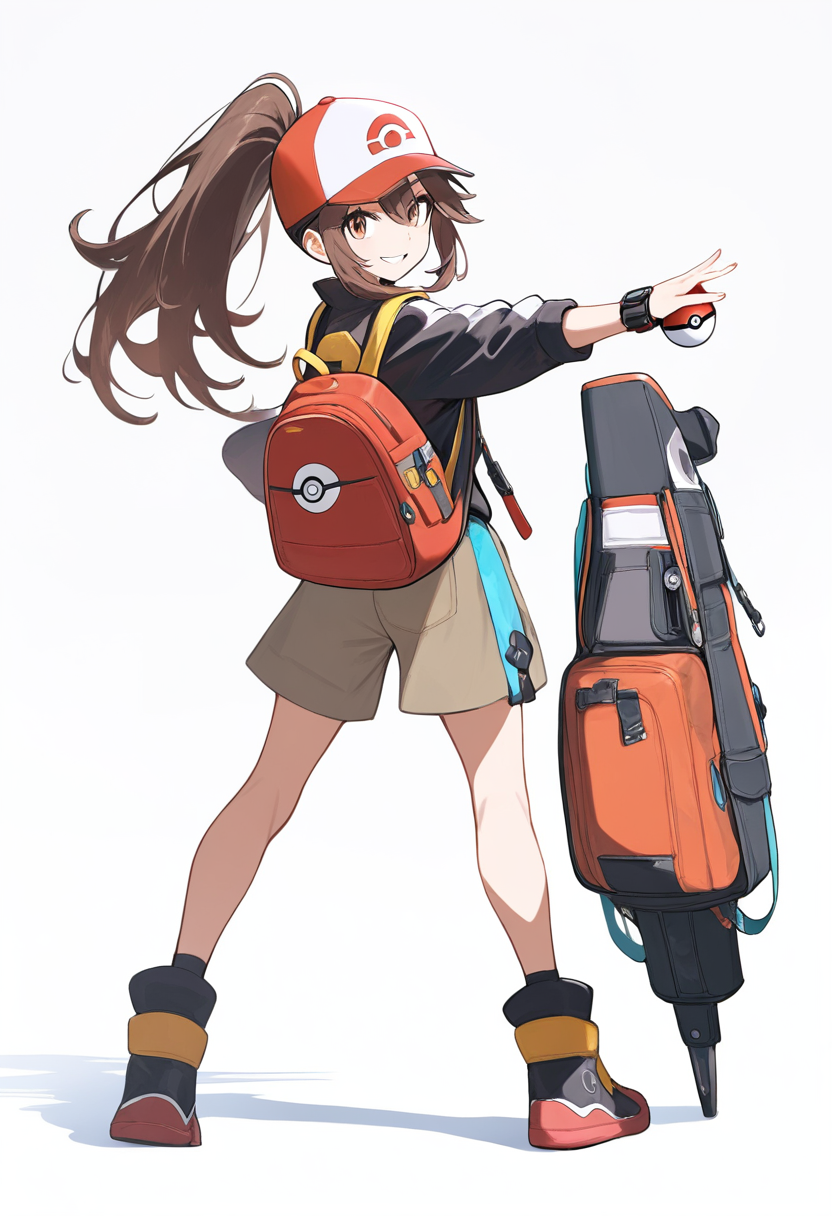
Path A: Design a Trainer
Who is this person in the Pokemon world?
The Pokemon world is deceptively complex for character building. Your trainer isn't just "someone who catches Pokemon." They have a hometown, a first Pokemon, a reason for traveling, and a relationship with their team that defines them.
Trainer Class Specializations:
Not every trainer is a generic "Pokemon Trainer." The games are packed with specialized classes, each with a distinct visual identity:
- Ace Trainer — Elite generalist. Clean, athletic outfit, confident stance.
- Pokemon Ranger — Conservation and fieldwork. Practical outdoor gear, capture styler on the wrist.
- Pokemon Breeder — Raises Pokemon for health and potential. Apron, warm colors, nurturing energy.
- Bug Catcher — Net, sun hat, shorts. Classic low-level energy but can be reimagined at high levels.
- Pokemon Professor — Lab coat, but wildly eccentric. Every professor in canon is named after a tree.
- Gym Leader — Their entire aesthetic revolves around their type specialty. The gym is an extension of their personality.
- Elite Four — Elevated, dramatic, regal. These characters dress for intimidation.
- Champion — Peak of the competitive world. Their design should feel like a culmination — complex, layered, iconic.
Path B: Design a Fakemon
What ecological niche does this creature fill?
Every real Pokemon was designed to fill a role in its region's ecosystem. Wooloo is livestock. Pidgey is the common bird. Gyarados is the apex predator of freshwater. Before you design a Fakemon's appearance, decide what it is in nature.
Fakemon Design Foundations:
- Base the design on one real animal or object. Not three. Not five. One core reference, then stylize. Bulbasaur is a frog + plant bulb. Litwick is a candle. Restraint is what makes designs readable.
- Typing should be visually obvious. A Water-type should look wet, blue, aquatic, or rain-associated. If someone can't guess at least one type from the silhouette, the design needs work.
- Size matters. Pokemon have official height/weight stats. A first-stage Pokemon that's 6 feet tall reads wrong. Keep early stages small and cute, middle stages awkward, and final stages imposing.
- The name formula: Combine two words with a pun or portmanteau. Bulba (bulb) + saur (dinosaur). Char (char/burn) + mander (salamander). Your Fakemon's name should be pronounceable, memorable, and hint at both the creature and its type.
Trainer Team Composition
Building a trainer's team is where most people overthink or underthink. Here are the community conventions that separate a thoughtful team from a wish list.
The unwritten rules:
| Rule | Why It Exists |
|---|---|
| Max 1 shiny per team | More than one strains believability — shinies are 1/4096 encounters |
| Max 1 legendary/mythical | Legendaries are singular beings in lore. Stacking them breaks immersion |
| Type coverage matters | A team of six Fire-types reads as a gimmick, not a strategy |
| Regional consistency is optional but adds depth | A trainer from Hoenn with all Hoenn Pokemon feels grounded |
| The ace Pokemon should match the trainer's personality | Cynthia's Garchomp is ruthless. Steven's Metagross is calculated. N's Zoroark is deceptive |
Team archetypes that create narrative:
- The specialist — All one type, like a Gym Leader. Design the trainer around the type's aesthetic.
- The balanced team — Competitive mindset. Covers every weakness. Practical, strategic trainer personality.
- The found family — Each Pokemon was rescued or befriended in a specific story moment. The team is a journal.
- The legacy team — Inherited from a parent/mentor. Some Pokemon are old and experienced, creating a generational feel.
Fakemon Evolution Logic
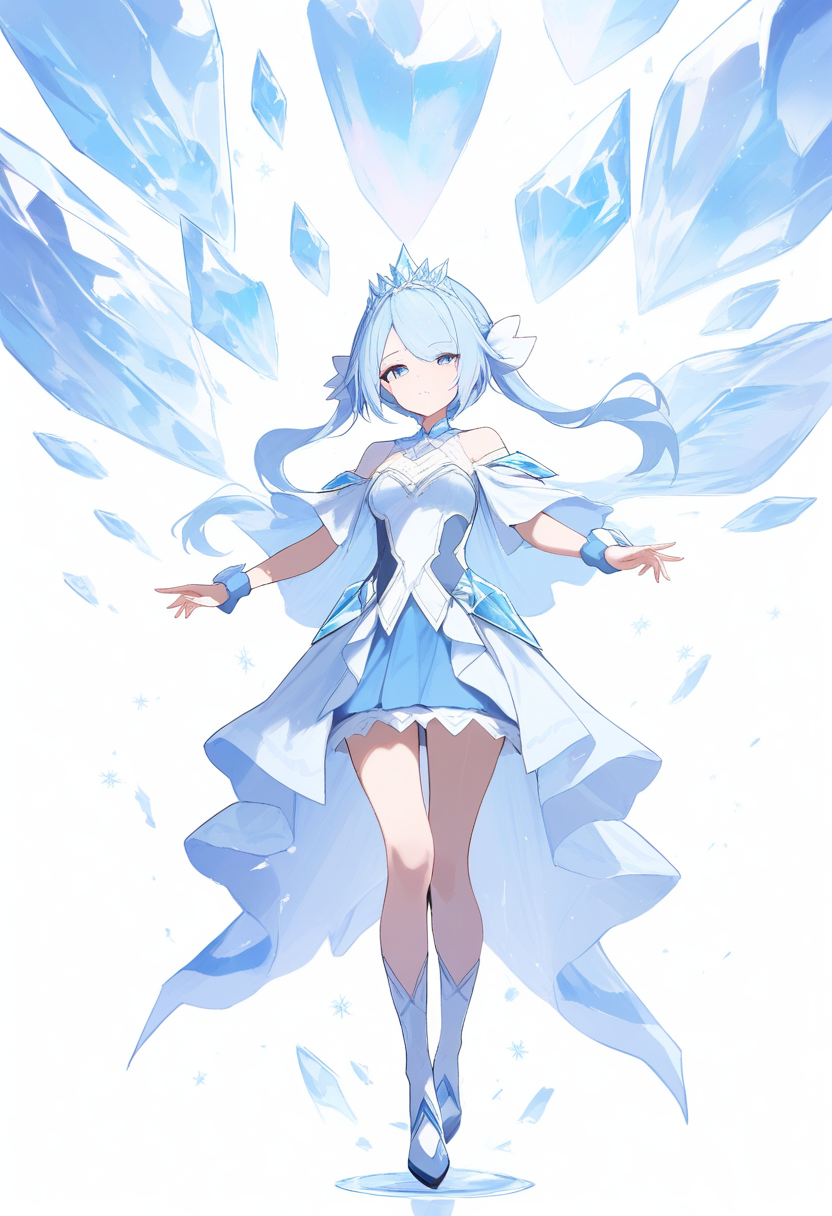
Pokemon don't just get bigger when they evolve. Evolution in Pokemon serves a narrative and biological purpose.
Stage 1 (Basic): Small, simple, approachable. One or two colors. Rounded shapes. This is the Pokemon people remember and plush toys are made of.
Stage 2 (Middle): Awkward transition. Limbs lengthen, features sharpen, new elements appear. The middle stage is the teenager of the evolution line — ungainly but showing hints of what's coming.
Stage 3 (Final): Full realization of the concept. Complex silhouette, bold color scheme, commanding presence. The final stage should feel like the inevitable conclusion of the first stage's promise.
Evolution methods to consider for custom lines:
- Level-up (standard progression)
- Stone evolution (grants a sudden, dramatic shift)
- Trade evolution (could be reimagined as "bond" evolution for OC purposes)
- Location-based (evolves near a specific environment — volcano, glacier, ancient ruin)
- Condition-based (knows a specific move, holds an item, time of day)
- Split evolution (two possible final forms based on condition — like Gardevoir/Gallade)
Region Creation Basics
If you're designing Fakemon, you might be designing a whole region. Pokemon regions are based on real-world locations, and that grounding is what makes them feel lived-in.
The regional formula:
- Pick a real-world country or region as your base (Japan for Kanto/Johto/Hoenn/Sinnoh, France for Kalos, Hawaii for Alola, UK for Galar, Spain/Portugal for Paldea)
- Identify 3-4 distinct biomes within that region (coastal, mountainous, urban, forest, desert, tundra)
- Design your regional bird, regional rodent, regional bug, and regional Pikaclone — these are the four Pokemon that define a region's flavor instantly
- Create a regional legend — every region has a legendary duo or trio tied to a creation myth or natural force
Prompt Crafting
For a Trainer OC: "A [trainer class] from the [region] region, [age and build], wearing [outfit that reflects their type specialty or personality], [signature Pokemon visible beside them], [pose that shows their relationship with their Pokemon], Pokemon anime art style"
For a Fakemon: "A [type]-type Pokemon, [size reference], [animal/object base], [key visual feature], [color palette], [environment it lives in], Ken Sugimori art style, clean lines, white background, official Pokemon concept art look"
The Ken Sugimori art style reference is critical for Fakemon — it triggers the clean linework, soft watercolor shading, and readable silhouette that makes a Fakemon look like it belongs in the games.
Frequently Asked Questions
Can my trainer have a team of six legendaries? You can, but the community won't take the character seriously. Legendaries in Pokemon lore are unique, godlike beings. A trainer who somehow befriended six of them needs an extraordinary story to justify it.
How do I make a Fakemon that doesn't look like a fan design? Simplify. Real Pokemon designs use 2-3 colors maximum and one core visual gimmick. Fan Fakemon tend to overdesign — too many spikes, too many colors, too many elements competing for attention. Strip it back until a child could draw it from memory.
Should my trainer be from a canon region or an original one? Canon regions give you built-in context — people know what Sinnoh looks and feels like. Original regions require more work but let you design everything from scratch. Start with a canon region if this is your first trainer OC.
What about Mega Evolution, Z-Moves, Dynamax, or Terastallize for my OC? Pick the gimmick from the region your character is based in. A Kalos trainer uses Mega Evolution. An Alola trainer uses Z-Moves. Mixing gimmicks from different regions breaks the world logic unless your character has explicitly traveled to those regions.
Related Character Tools
Genshin OC Maker
Create Genshin Impact original characters with elemental visions and weapon types.
Sonic OC Maker
Create Sonic the Hedgehog original characters with unique abilities and designs.
Roblox OC Maker
Design Roblox-style avatar characters with unique outfits and accessories.
OC Generator
Create original characters for any fandom or original universe with AI.
Character Creator
Design original anime characters with unique outfits, hairstyles, and expressions.
ポケモンのOCを作ろう
あなただけのポケモントレーナーやオリジナルポケモンを作成しましょう。ポケモンOCメーカーで冒険を始めよう。