Generador Furry con IA
Generador Furry con IA
Fursona Design Guide
A fursona is more than a character with animal features. It is a form of self-expression—a visual identity that represents its creator in digital spaces, at conventions, in art, and in community. Designing a fursona with a furry AI generator or furry art generator is a deeply personal creative act, and getting it right matters.
This furry character maker guide approaches fursona design with the same seriousness as any professional character design challenge: anatomy, color theory, readability, and personal meaning. Think of it as a fursona generator that starts with intent, not randomness.
Choosing Your Species
The species is the foundational decision. It sets the silhouette, the color range, the body language, and often the personality associations.
Canines (Wolf, Fox, Dog, etc.)
The most popular furry species category, and for good reason—canines have expressive faces, dynamic body language, and enormous visual variety.
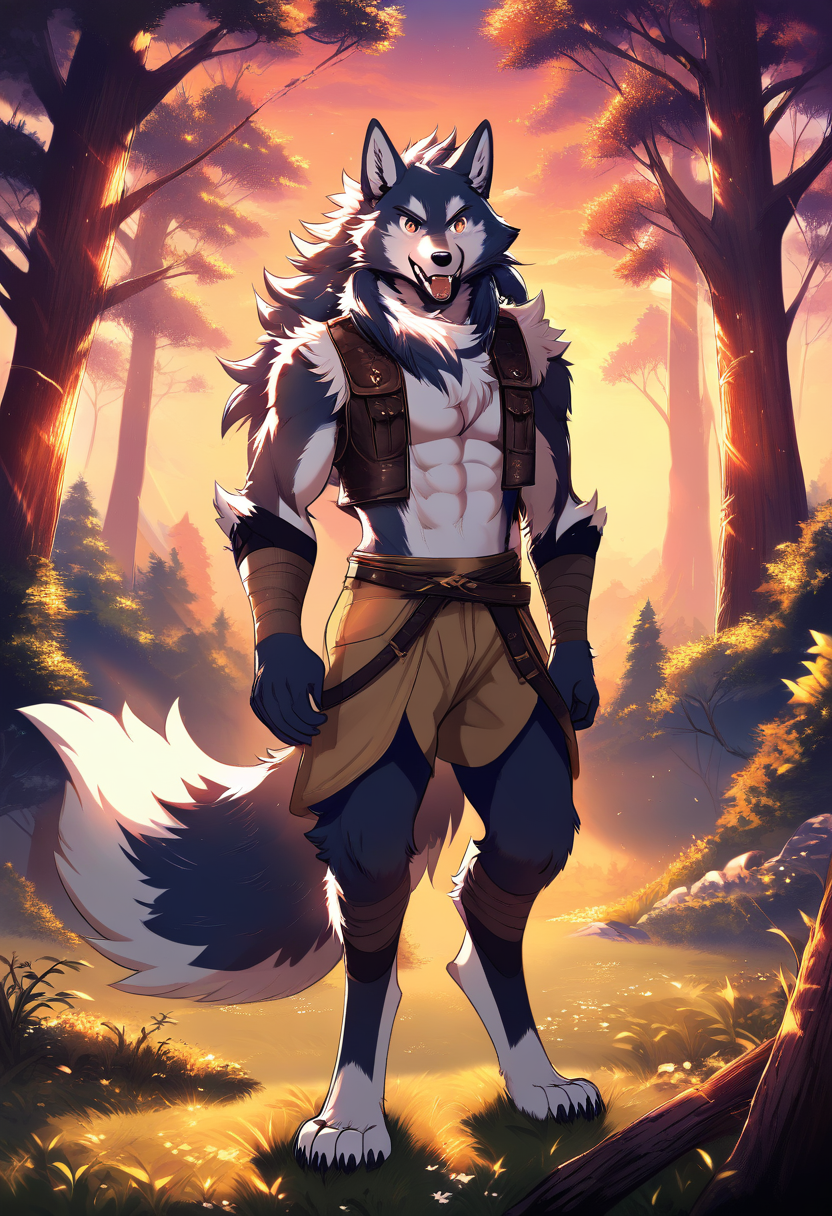
Wolves project strength, loyalty, and a wild edge. Long snout, upright triangular ears, bushy tail, thick ruff of fur around the neck. They work well in both fierce and stoic designs.
Foxes lean clever, playful, and elegant. Narrower snout than wolves, larger ears relative to head size, slender build, impossibly fluffy tail. Red fox is the default but arctic fox (white), fennec (sand-colored with enormous ears), and silver fox (black and silver) offer distinct silhouettes.
Domestic dogs carry breed-specific personality. A golden retriever fursona reads as friendly and warm. A doberman reads as sleek and intense. A corgi reads as energetic and endearing. The breed choice communicates before any other design element.
Felines (Cat, Big Cat, etc.)
Cats project independence, grace, and mystery. Shorter snout, vertical slit pupils (optional—some artists use round for a friendlier look), retractable claws, sinuous body.
Domestic cats are versatile — tabby patterns, solid colors, calico, siamese point markings. Their compact size translates to a lighter, more agile character build.
Big cats bring drama. Lions have the mane (a dominant design element). Tigers have stripes (instant pattern recognition). Panthers/jaguars are sleek darkness. Snow leopards have the long fluffy tail and pale spotted coat. Cheetahs have the tear-mark face lines and lean sprinter build.
Avian (Bird-based)
Birds are less common but visually striking. Challenges include translating a beak into something expressive and deciding how wings/arms function.
Raptors (eagle, hawk, owl) — predatory elegance, sharp features, intense eyes. Owl fursonas are popular for the unique flat face and forward-facing eyes that read well in anthro form.
Corvids (crow, raven, magpie) — intelligence, mischief, dark aesthetic. Sleek feathers, sharp beak, beady knowing eyes.
Songbirds — colorful, small, energetic. Blue jays, cardinals, and parrots bring vivid color palettes that are rare in mammalian species.
Reptilian and Exotic
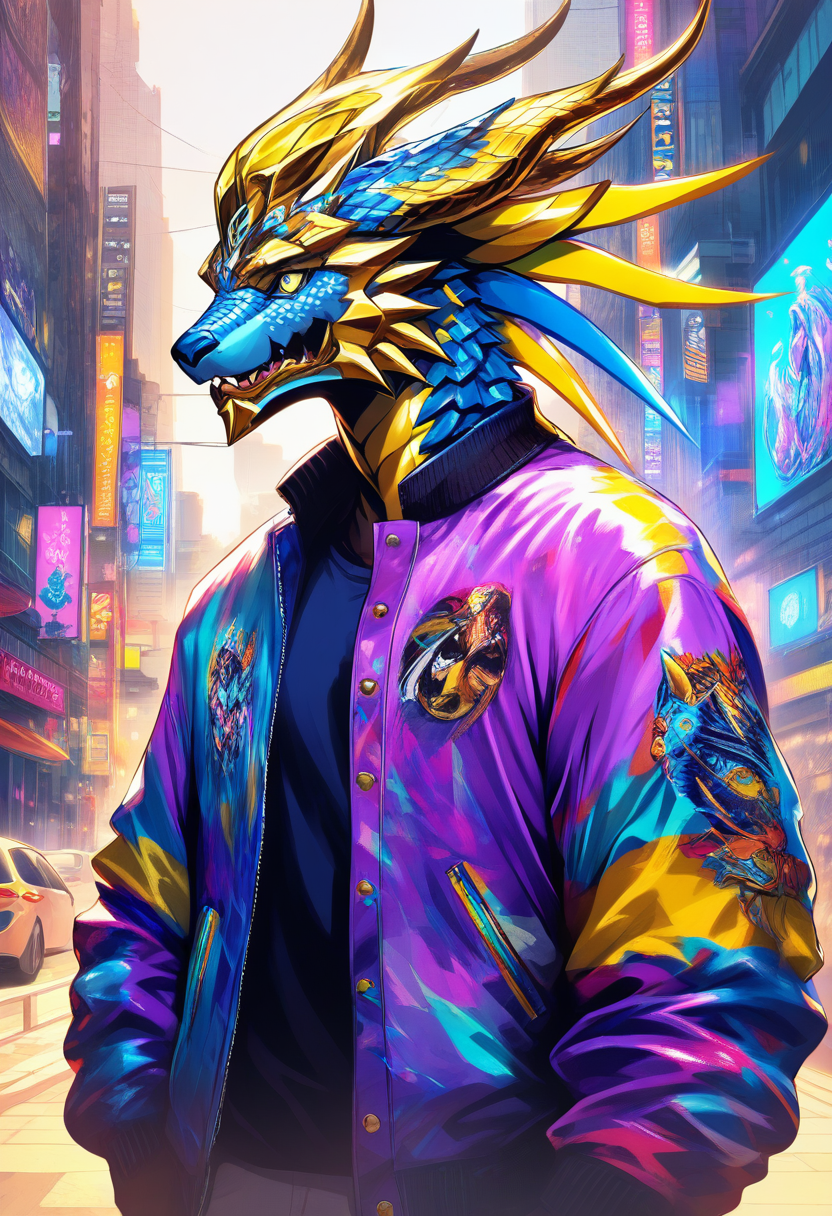
Dragons — technically their own category, dragons are the ultimate design-freedom species. Any color, any build, wings optional, horns required (usually). Dragon fursonas range from imposing Western dragons to sleek Eastern serpentine designs.
Scalies (lizards, snakes, crocodilians) — smooth or plated texture instead of fur, slit pupils, elongated features. Gecko fursonas have the adhesive toe pads and wide eyes. Snake fursonas are rare but visually unique—the no-limbs constraint forces creative anthro solutions (usually given arms, sometimes a lamia/naga lower body).
Aquatic — sharks (sleek, grey, powerful), orcas (striking black-and-white pattern), dolphins (streamlined, friendly), octopi (tentacles as design elements). These species bring unusual body shapes that stand out in a sea of canines and felines.
Anthro Anatomy: Digitigrade vs Plantigrade
This is a defining aesthetic choice that affects the entire body from the waist down.
Plantigrade — Flat-footed, like humans. The character's feet are flat on the ground. Easier to design, more humanoid in silhouette, works well with standard footwear. Most furry art defaults to plantigrade because it is more accessible.
Digitigrade — Walking on the toes, with an elevated heel and elongated foot structure (like how dogs and cats actually walk). Creates a more animalistic silhouette with a distinctive leg shape—the "reversed knee" look (which is actually an elevated ankle). Harder to design but creates a more dynamic, non-human stance.
Specify in your prompt: "plantigrade stance, flat-footed" or "digitigrade legs, walking on toes, elevated heel."
Fur Pattern and Marking Design
Natural animal markings are a starting point, not a limit. Fursona design often uses fantasy markings—patterns that do not exist in nature but visually define the character.
Natural patterns: Tabby stripes, dalmatian spots, husky masks, siamese points, calico patches. These ground the character in a recognizable species.
Fantasy markings: Glowing circuit-line patterns, tribal-style markings, constellation dot patterns, gradient fades, geometric shapes on the fur. These signal that the fursona is a personal creation, not a portrait of a real animal.
Marking placement guides:
- Face markings are the most visible and should be the most carefully designed
- Chest/belly markings define the front silhouette
- Tail markings add detail to a feature that is already a strong identifier
- Paw/hand markings (different-colored paw pads, finger tips) are a popular subtle detail
- Back markings are often overlooked—design them if the character will ever be seen from behind
Color tips for markings:
- Use your dominant body color and one accent color for markings
- High-contrast markings read at any size (dark markings on light fur, or glowing markings on dark fur)
- Symmetrical markings feel natural/animal-like; asymmetrical markings feel unique/personal
- Avoid placing markings where clothing will always cover them
Fursona as Self-Expression
A fursona is not designed in a vacuum. It represents someone. The design choices should reflect who that person is or who they want to be.
Species = energy. Choose the animal whose natural behavior resonates with your personality. Social? Canine. Independent? Feline. Wise? Owl. Playful? Otter. Fierce? Dragon.
Colors = identity. Your fursona's palette is your visual signature in the community. It appears on badges, avatars, art, and suits. Choose colors you genuinely connect with, not just what looks cool in the moment.
Outfit = context. Many fursonas have a signature outfit that represents how their creator presents in online spaces. Casual clothing says one thing. Fantasy armor says another. A lab coat, a hoodie, a punk jacket — each one tells a story.
Accessories = specificity. The details that make a fursona feel lived-in. A specific necklace, a set of headphones, fingerless gloves, a tail ring, a bandana. These small elements are often the most personal choices in the entire design.
The Furry Art Community and Reference Sheets
The furry community has a mature art ecosystem built around character reference sheets. A "ref sheet" in furry context typically includes:
- Front and back view with markings clearly shown
- Close-up of face/eye design
- Color palette swatches (hex codes preferred)
- Written notes about unique features
- Optional: expression sheet, alternate outfits, size comparison
Ref sheets serve a specific community purpose: they allow other artists (both human and AI) to draw your character consistently. When commissioning art or generating AI variants, a detailed ref sheet is your most valuable asset.
Prompting for Furry Characters
Furry art has specific vocabulary that AI models respond to. Use these terms for better results.
Species and build: "Anthro [species], [body type], [digitigrade/plantigrade]"
Fur and markings: "[base fur color] fur with [marking color] [pattern type] markings on [location]"
Head and face: "[ear type] ears, [eye color] eyes, [snout length — long/medium/short], [specific facial markings]"
Tail: "[tail type and length], [coloring/markings], [fluffiness level]"
Overall style: "Furry art style, clean lines, detailed fur texture" or "Furry art style, soft shading, semi-realistic"
Example prompt: "Anthro arctic fox, lean athletic build, digitigrade legs. White fur with pale blue gradient on ear tips, tail tip, and paw pads. Large fennec-style ears, ice blue eyes, medium snout. Wearing a dark navy hoodie with constellation pattern, fingerless gloves. Confident stance, slight smirk. Furry art style, detailed fur texture, clean lineart."
Getting the Most From AI Furry Generation
AI models trained on anime and illustration data handle furry characters well because the furry art community has produced an enormous volume of high-quality tagged artwork. The best furry ai generator models understand species conventions, anthro anatomy, and furry-specific visual language.
Generate batches. Your first prompt will not be perfect, and the first variant will not capture your vision exactly. Treat each batch as a step toward the design that feels right—the one where you look at it and think "that is me."
Related Character Tools
Character Creator
Design original anime characters with unique outfits, hairstyles, and expressions.
OC Generator
Create original characters for any fandom or original universe with AI.
Sonic OC Maker
Create Sonic the Hedgehog original characters with unique abilities and designs.
Warrior Cats OC Maker
Create Warrior Cats original characters with clan affiliations and unique markings.
MLP OC Maker
Create My Little Pony original characters with pony types and cutie marks.
Wings of Fire OC Maker
Design Wings of Fire dragon characters with tribe abilities and appearances.
Empieza a Crear Arte Furry Hoy
No te pierdas convertir tus ideas furry en arte vibrante. ¡Prueba el Generador Furry con IA ahora y descubre lo fácil que es crear increíble arte furry!