 Oniichan
D&D Character Art Generator
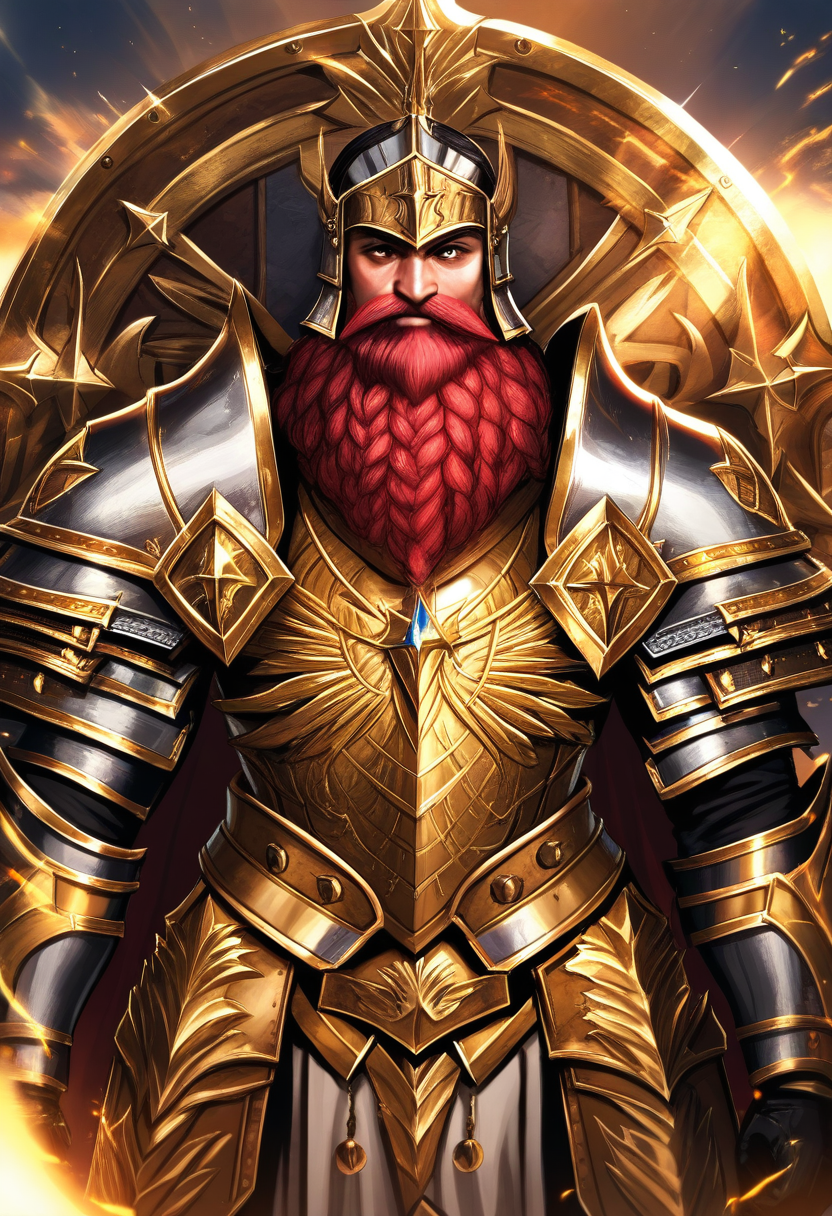
Fantasy, dungeons and dragons, dwarf, thick braided beard, bald head, heavy plate armor, battle axe, round shield with emblem, stout build, war cry pose
Fantasy, dungeons and dragons, dragonborn, bronze scales, tail, cleric vestments, holy symbol necklace, mace and shield, protective aura
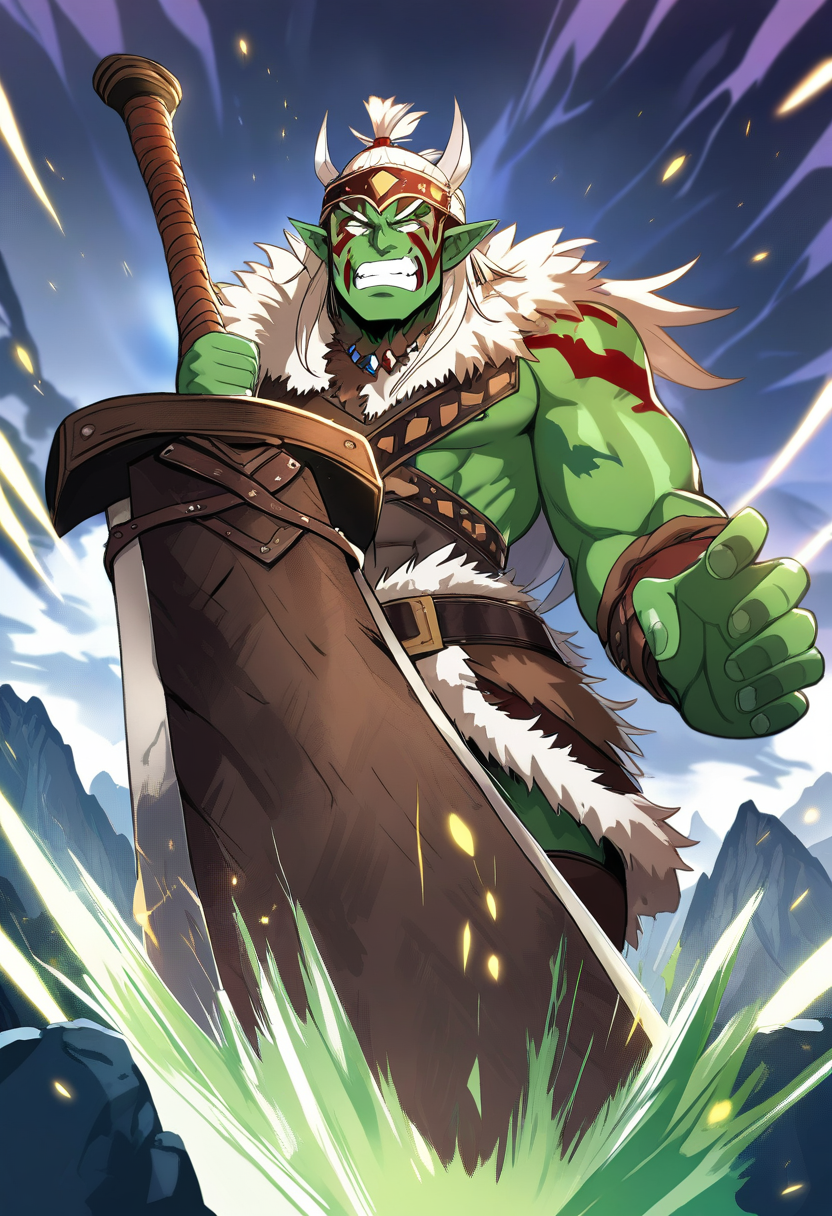
Fantasy, dungeons and dragons, half-orc, green skin, tusks, muscular, barbarian furs, greataxe, tribal braids, war paint, fierce expression
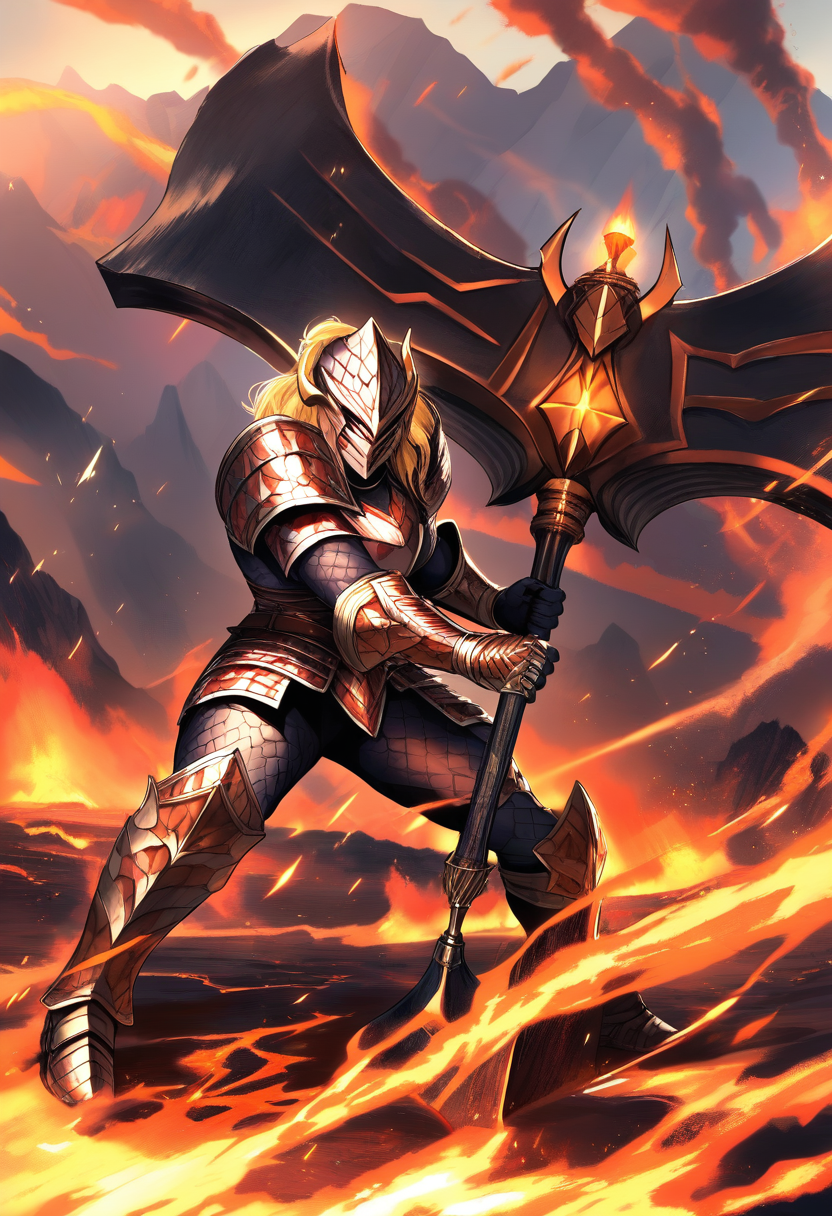
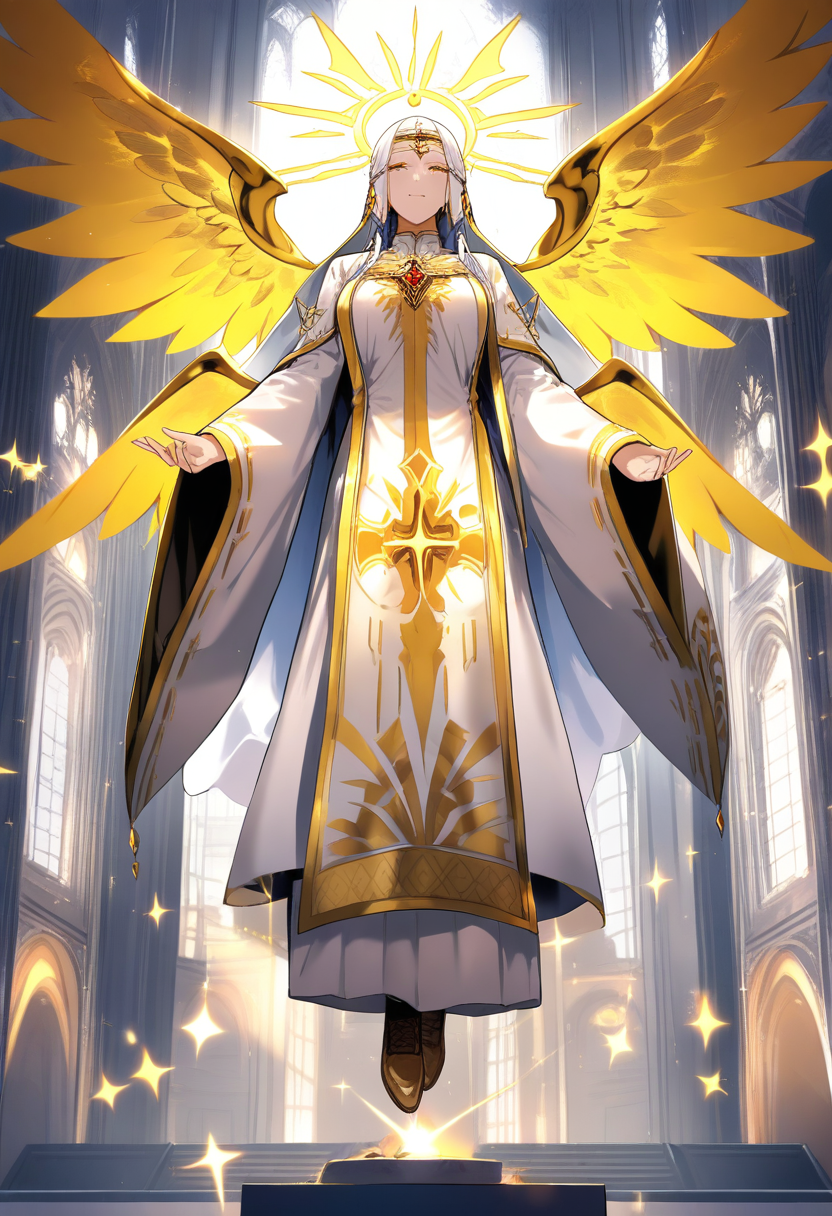
Fantasy, dungeons and dragons, aasimar, glowing halo, feathered wings, silver hair, paladin full plate, holy avenger sword, radiant light, divine presence
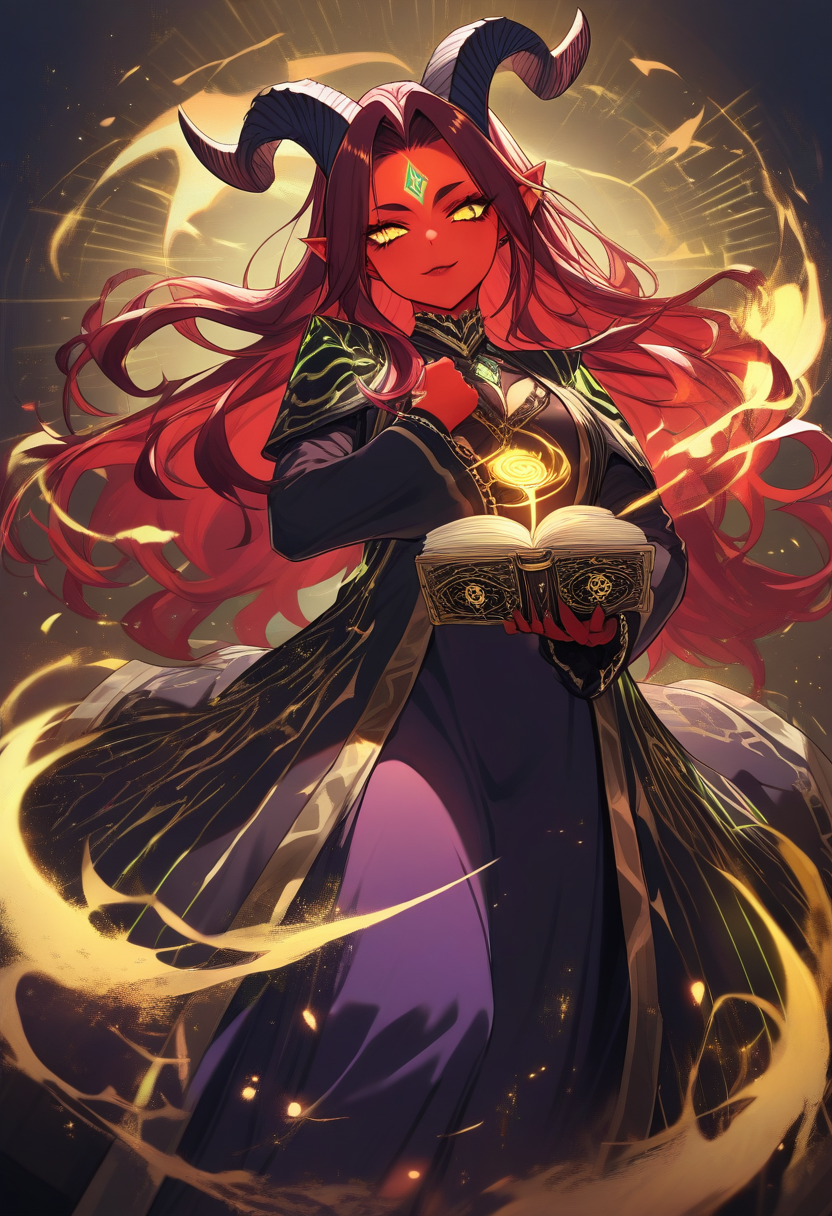
Fantasy, dungeons and dragons, tiefling, red skin, curved horns, long black hair, warlock robes, eldritch tome, glowing purple eyes, dark magic aura
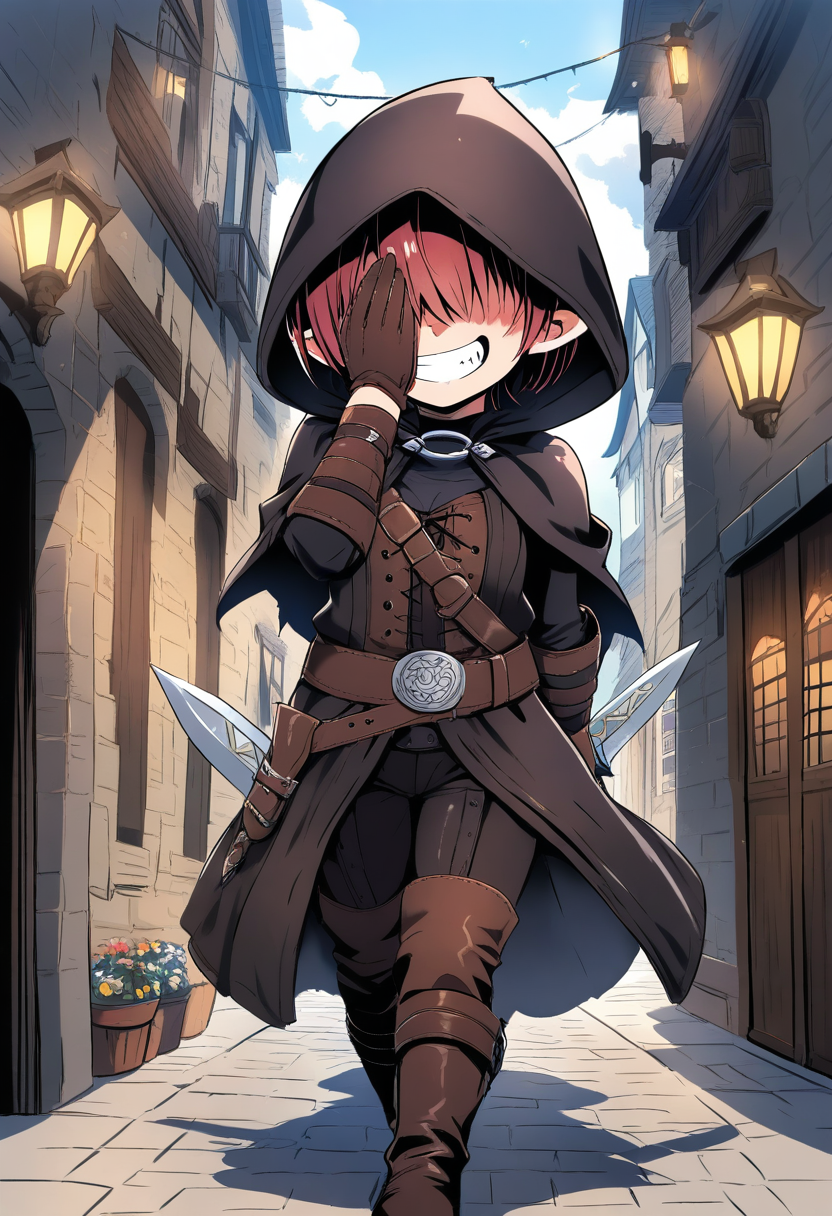
Fantasy, dungeons and dragons, halfling, small stature, curly auburn hair, freckles, leather armor, short cloak, lockpicks, daggers, mischievous grin
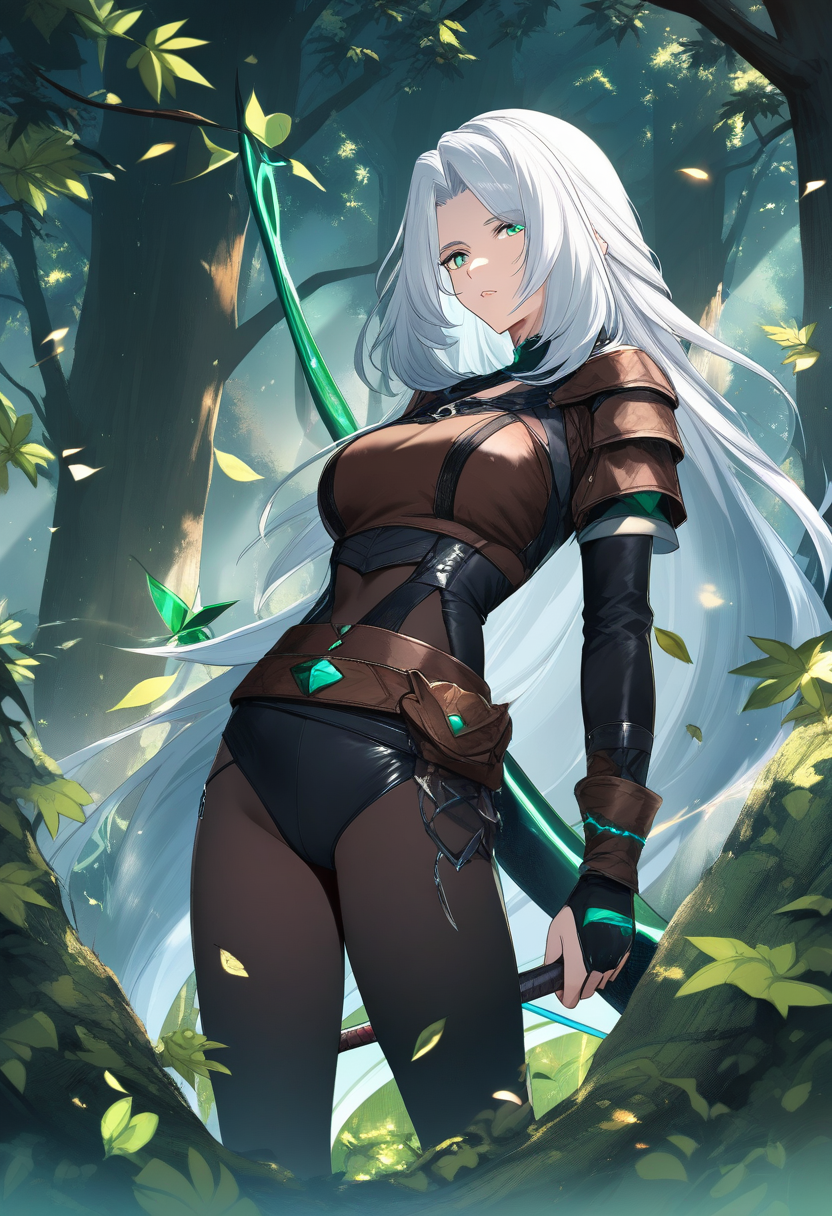
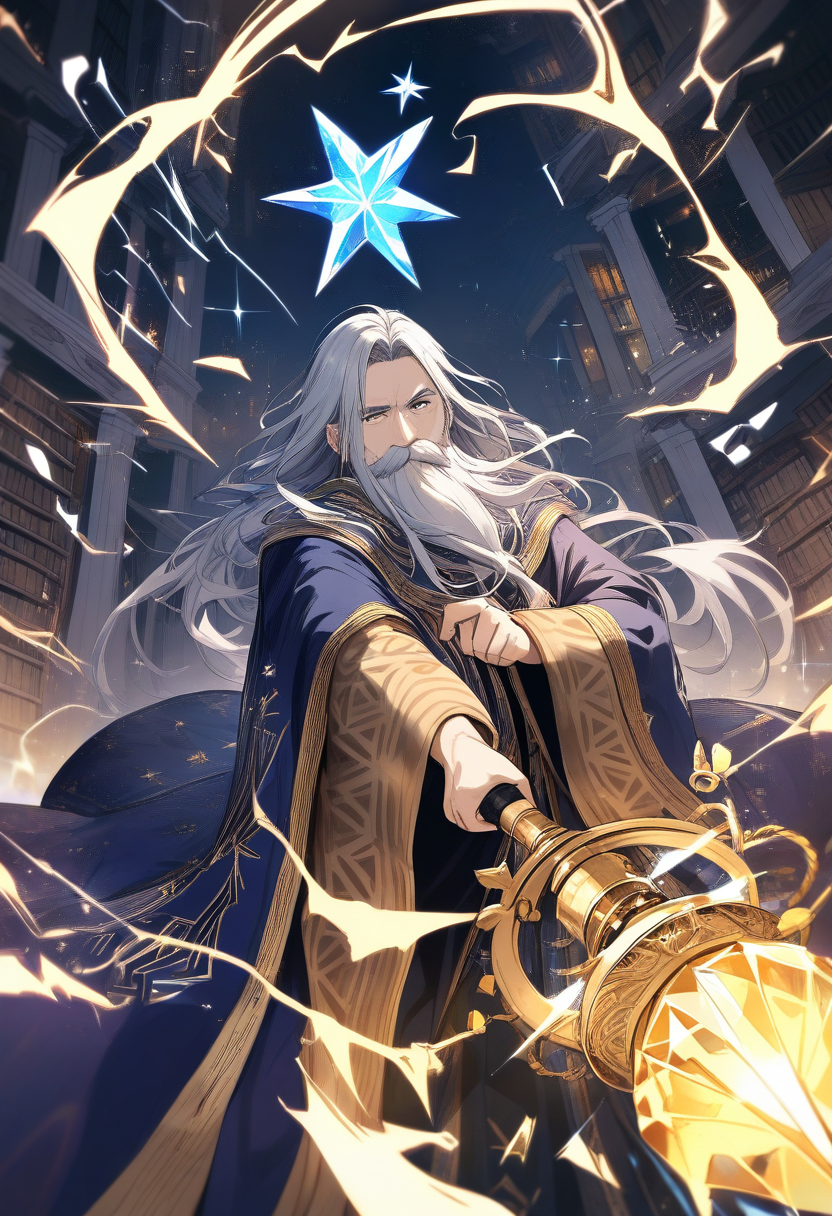
Fantasy, dungeons and dragons, high elf, pale skin, long golden hair, pointed ears, archmage robes, staff with crystal orb, spellbook floating, wise expression
Fantasy, dungeons and dragons, tabaxi, spotted fur, cat features, tail, ranger leather armor, longbow, quiver, twin short swords, alert hunting stance
The Adventurer's Visual Guide
Every Dungeons & Dragons character lives in your imagination first. Then comes the moment someone asks "what do they look like?" and you need more than a text description. You need art from a dnd character art generator.
This d&d character creator guide covers how to translate your D&D character sheet into visual prompts — from race-specific anatomy to class-appropriate gear to virtual tabletop tokens. Whether you use a dnd character maker or a broader fantasy character generator, these principles apply.
Race Visual Design
D&D races are not just stat blocks. Each one carries centuries of visual tradition from fantasy art, and AI models trained on that art understand these conventions deeply.
The Core Races
Humans — The baseline. Describe them as you would any character, but specify the cultural/setting context. A Waterdhavian noble looks nothing like a Chultan explorer. Humans in D&D span every real-world ethnicity plus fantasy-specific cultures. Be specific about build, clothing style, and cultural markers.
Elves — Slender builds, angular features, pointed ears, eyes slightly larger than human. High elves carry themselves with visible pride (straight posture, elevated chin). Wood elves are wilder (tanned, earth-toned clothing, bark/leaf motifs). Drow have dark skin (obsidian to deep purple), white hair, and red or lavender eyes. Eladrin shift appearance with their emotional season.
Dwarves — Stocky, broad-shouldered, shorter than humans but wider. Dense muscle, not fat. Beards are cultural identity (braided, beaded, clan-specific styles). Female dwarves in many settings also have facial hair. Heavy clothing, metal accents, geometric patterns. Their gear looks built to outlast civilizations.
Halflings — Child-sized but with adult proportions and features. Round faces, curly hair, bare feet with tough soles. Clothing is practical and comfortable — vests, rolled sleeves, earth tones. They radiate warmth. Think "the neighbor who always has cookies" energy, but sometimes carrying daggers.
Tieflings — Human base with infernal markers: horns (hugely varied — ram, antelope, twisted, small), a prehensile tail, solid-color or unusual eyes, and skin that can be any color (red, purple, blue, and normal human tones). Their fashion sense often leans dramatic — high collars, dark palettes, statement accessories. They know they stand out and dress accordingly.
Dragonborn — Fully reptilian head on a humanoid body. Snout, no external ears, scales covering the body, eyes with slitted pupils. Scale color matches draconic ancestry (red, blue, green, etc.). No tail in standard lore (gem dragonborn being an exception). Their build is imposing — tall, broad, muscular. Armor often accommodates the head shape with open-face helms.
The Exotic Races
Tabaxi — Feline humanoids. Cat face, fur patterns (spotted, striped, solid), retractable claws, a tail used for balance. Lithe and acrobatic builds. Their clothing is minimal and designed not to restrict movement — wraps, sashes, light leather.
Kenku — Corvid (crow/raven) humanoids. Beak, feathered body, vestigial wings that cannot fly. Dark plumage, bright intelligent eyes. Their clothing is often ragged and scavenged — Kenku are survivors, not fashionistas.
Firbolg — Gentle giants. 7-8 feet tall, broad and soft rather than chiseled. Flat wide noses, large ears, often blue-grey or pinkish skin. Their aesthetic is deeply nature-coded: living plant accents, rough-spun cloth, flowers in their hair or beard.
Warforged — Sentient constructs. Wood and metal body, glowing eye-like sensors, plates that suggest armor but are their actual body. Each one is unique — no two were built the same. Some adopt humanoid clothing over their frame; others remain bare. Their "expression" comes from posture and eye glow, not facial muscles.
Class Equipment and Signature Looks
The intersection of race and class defines your character's visual identity.
Fighter — Practical armor, visible weapons, evidence of training. A fighter's gear should look used — nicks in the blade, scratches on the shield, leather grip worn smooth. They carry what they need and nothing they do not.
Wizard — Robes (not always). What defines a wizard visually is arcane accessories: a spellbook (or component pouch), arcane focus items, runes on clothing or skin, and an air of "I know something you do not." A wizard's outfit should suggest their school — a necromancer dresses differently than an evoker.
Rogue — Practical, dark, with hidden pockets and straps. Leather armor favored. The key visual: they are always ready to move. Daggers are visible but some weapons are not — a rogue should look like they have more on them than you can see.
Cleric — Religious iconography front and center. A holy symbol prominently displayed, armor that incorporates their deity's motifs, a shield with the god's sigil. Clerics are walking advertisements for their faith. The specific deity changes everything — a cleric of Lathander glows with gold and sunrise motifs; a cleric of Shar is shrouded in dark purples and shadow.
Barbarian — Less armor, more character. Exposed arms and chest, tribal markings/tattoos/scars, natural material accessories (bone, tooth, fur, feather). A barbarian's body IS their weapon — the art should show that.
Paladin — The heaviest armor, the shiniest weapon, the most prominent holy symbol. Paladins are the visual centerpiece of any party. Their armor should look ceremonial as well as functional — ornamental engravings, cloaks, tabards with oath-specific iconography.
Armor Types in Art
Getting armor right sells the fantasy. Getting it wrong breaks immersion.
| Armor Type | Visual Reference | Class Fit |
|---|---|---|
| Padded | Quilted fabric, looks like a thick jacket | Low-level fighters, non-martial classes |
| Leather | Fitted, dark brown/black, visible stitching | Rogues, rangers, bards |
| Studded leather | Leather with metal rivets/studs | Rangers, rogues with coin to spend |
| Chain shirt | Metal rings visible under a tabard/tunic | Clerics, mid-level fighters |
| Scale mail | Overlapping metal scales, fish/dragon-like pattern | Fighters, dragonborn thematic choice |
| Half plate | Breastplate + greaves + gauntlets, arms/legs partially exposed | Versatile fighters, clerics |
| Full plate | Head-to-toe articulated metal, visored helm | Paladins, high-level fighters |
Armor should show its history. Polished plate on a paladin. Patchwork repairs on a mercenary. Bloodstains on a battlefield veteran. Ivy growing through gaps on an ancient guardian.
Fantasy Setting Cues
The environment a character exists in should bleed into their design.
Sword Coast / Faerun — Standard medieval fantasy with magical elements. Mixed architecture from multiple cultures. Practical clothing with occasional magical accessories.
Eberron — Magipunk. Arcane technology integrated into daily life. Characters might have magical prosthetics, glowing tattoos that serve as ID, or clothing with minor enchantments (self-cleaning, temperature-regulating). More urban, more modern-feeling.
Ravenloft / Gothic horror — Dark palette, Victorian-influenced clothing, ever-present unease. Characters look haunted. Rain-damp cloaks, weapons that are also religious icons, silver everywhere (werewolf country).
Spelljammer — Space fantasy. Wildstar-meets-D&D aesthetics. Characters from different worlds dressed in exotic combinations. Everything is a little stranger, a little more alien.
Party Composition Art
A party portrait is the ultimate D&D character art. All the characters together, interacting, showing their relationships through posture and proximity.
Tips for prompting party art:
- Describe height differences explicitly (the halfling rogue next to the dragonborn paladin)
- Position characters by party role (front-liners in front, back-liners behind)
- Show personality through pose (the bard leaning on the fighter's shoulder, the wizard standing apart reading)
- Use a location that fits the campaign (tavern interior, dungeon entrance, mountain pass)
- Keep the color palette diverse — each character should have a distinct dominant color
Character Tokens for VTTs
Virtual tabletop platforms (Roll20, Foundry VTT, Owlbear Rodeo) use circular character tokens. These have specific requirements:
Size: 280x280 pixels is standard. Some VTTs accept larger and downscale.
Framing: Head and shoulders, bird's-eye view, or full-body from above (looking down at the character). The most common format is a portrait/bust circle.
Border: Most VTT token tools add colored rings to indicate status. Design the image to work with a colored border around it.
Background: Transparent or solid dark. The token sits on the battle map, so a complex background fights the map art.
Facing direction: Top-down tokens need a clear "facing" direction so other players know where the character is looking on the battle map. A slight body angle or weapon pointing forward establishes this.
Prompt for tokens: "D&D character token, circular portrait, [character description], head and shoulders, transparent background, high detail face, suitable for virtual tabletop"
From Character Sheet to Art Prompt
Translate your D&D character sheet into a visual prompt using this template:
"[Race], [gender], [class] character. [Physical description — height, build, skin, hair, eyes, distinguishing marks]. Wearing [armor type] with [specific details]. Carrying [primary weapon] and [secondary weapon/focus/shield]. [One personality-revealing pose or detail]. [Setting cue]. Fantasy character art, detailed, [art style preference]."
Example: "Half-elf, female, warlock character. Tall and gaunt, pale olive skin, black hair streaked with silver, one eye violet and one eye solid black. Wearing a fitted dark purple coat over leather armor, silver chains at the waist. Carrying an eldritch focus staff wrapped in shadow tendrils. Standing with one hand slightly raised, fingers trailing wisps of dark energy. Rain-slicked cobblestone street at night. Fantasy character art, detailed, painterly."
That prompt contains everything the AI needs to render your character as you see them in your mind.
Related Tools
AI Character Creator
Design original anime characters with unique outfits, hairstyles, and expressions.
AI Character Generator
Generate diverse character designs and concept art from text prompts.
AI Illustration Generator
Generate detailed anime and manga-style illustrations from text descriptions.
Harry Potter OC Maker
Create Hogwarts students and wizarding world characters with house sorting.
Star Wars OC Maker
Design Star Wars original characters with lightsabers, Force powers, and species.
Bring Your D&D Characters to Life
Stop imagining your character and start seeing them. Try the D&D Character Art Generator now and create epic fantasy portraits for your next campaign!
Create Character Art Free