AI角色生成器
AI角色生成器
The Variant Selection Workshop
Generating a single character image and hoping it is perfect is like buying one lottery ticket and expecting to win. The real power of an ai character generator is volume — generating many variants quickly and selecting the strongest candidates for refinement. Whether you call it an ai character maker, character art generator, or character design ai tool, the workflow is the same.
This is a workshop on how to think about batch generation, variant evaluation, and library building as a deliberate creative process.
Why Eight Variants at Once
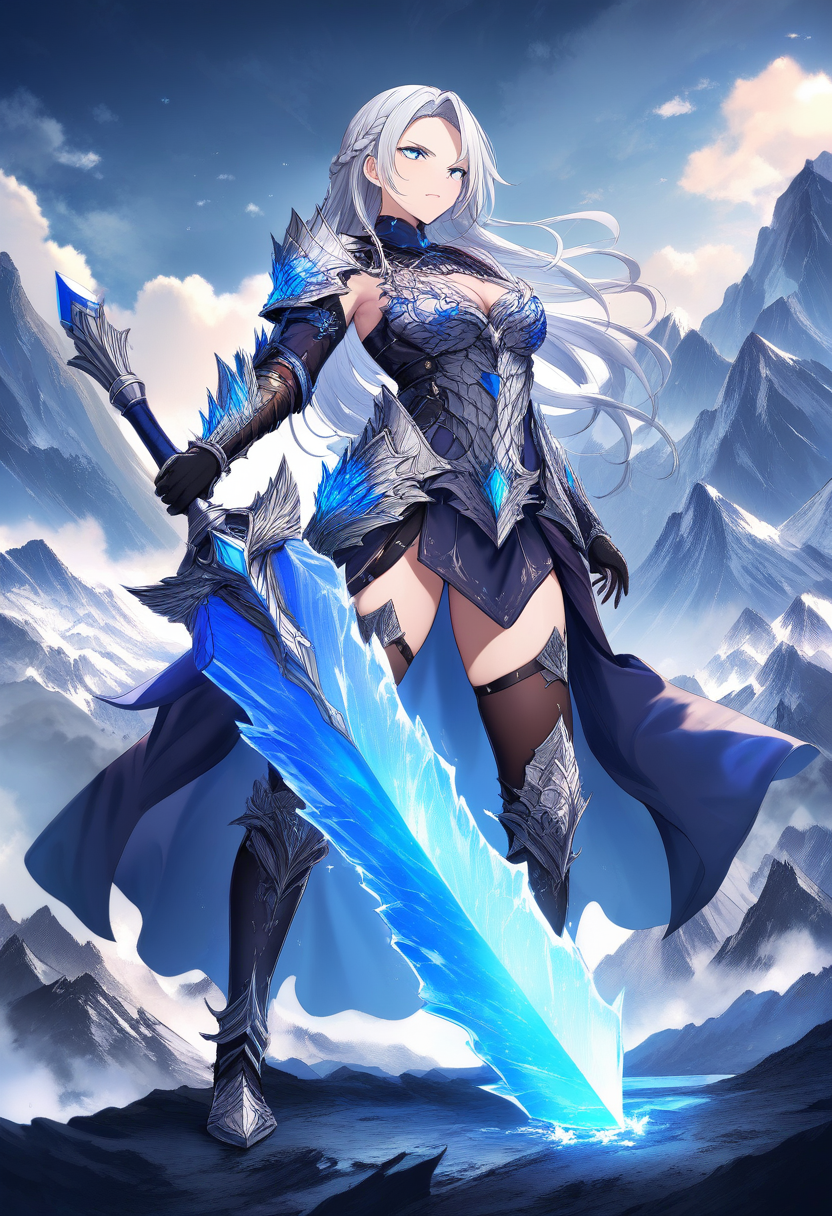
Oniichan generates eight character variants per batch. This number is not arbitrary. It sits at the sweet spot between three competing needs:
- Enough diversity to surface surprising interpretations you would not have imagined
- Manageable volume so you can actually evaluate each variant meaningfully
- Cost efficiency — each batch shares the same prompt parsing overhead, so eight images cost less than eight individual generations
Think of each batch as a casting call. You wrote the character description (the casting brief), and eight actors showed up. Your job is to direct, not just accept whoever walks in first.
The Evaluation Framework
When you have eight variants on screen, the temptation is to pick the one that "looks best." Resist that. Evaluate systematically instead.
Pass 1: Instant Gut Check (2 seconds)
Glance at all eight. Which ones catch your eye? Which ones feel right before you can explain why? Star those. Your subconscious is processing visual coherence faster than your analytical mind can.
Pass 2: Silhouette Scan (10 seconds)
Squint at each variant or mentally fill them with black. Which designs are identifiable from shape alone? A character that only works with color and detail visible is a weaker design than one that reads in silhouette.
Pass 3: Role Clarity (30 seconds)
For each starred variant, ask: "If I saw this character in a lineup with five others, would I know their role?" A healer should look like a healer. A rogue should look like a rogue. If you have to explain the design, it is not communicating.
Pass 4: Technical Quality (1 minute)
Now check the details. Hands correct? Eyes consistent? Clothing logical? Hair physically plausible (within anime standards)? This is where you filter out variants that look great at thumbnail size but fall apart on inspection.
What to Do With "Almost Right" Variants
The most valuable variants are not the perfect ones — they are the almost-right ones. A variant where the face is perfect but the outfit is wrong gives you a face to reference. One where the color palette sings but the pose is awkward gives you a palette to lock in.
Strategy: The Remix Chain
- Pick your top 2-3 variants
- Note what works about each one specifically
- Write a new prompt that combines those specific strengths
- Generate a second batch with the refined prompt
- Repeat until a variant nails every dimension
This is not trial-and-error. It is directed evolution. Each batch is more targeted than the last because you are feeding specific observations back into the prompt.
Building Prompts That Produce Better Variants
The quality of your variants depends entirely on what you put into the prompt. Here is how different prompt strategies affect the batch:
Loose prompt ("a warrior girl with a sword"):
- High diversity across variants
- Many interpretations of "warrior," "girl," and "sword"
- Good for early exploration when you do not know what you want
- Bad for consistency or refinement
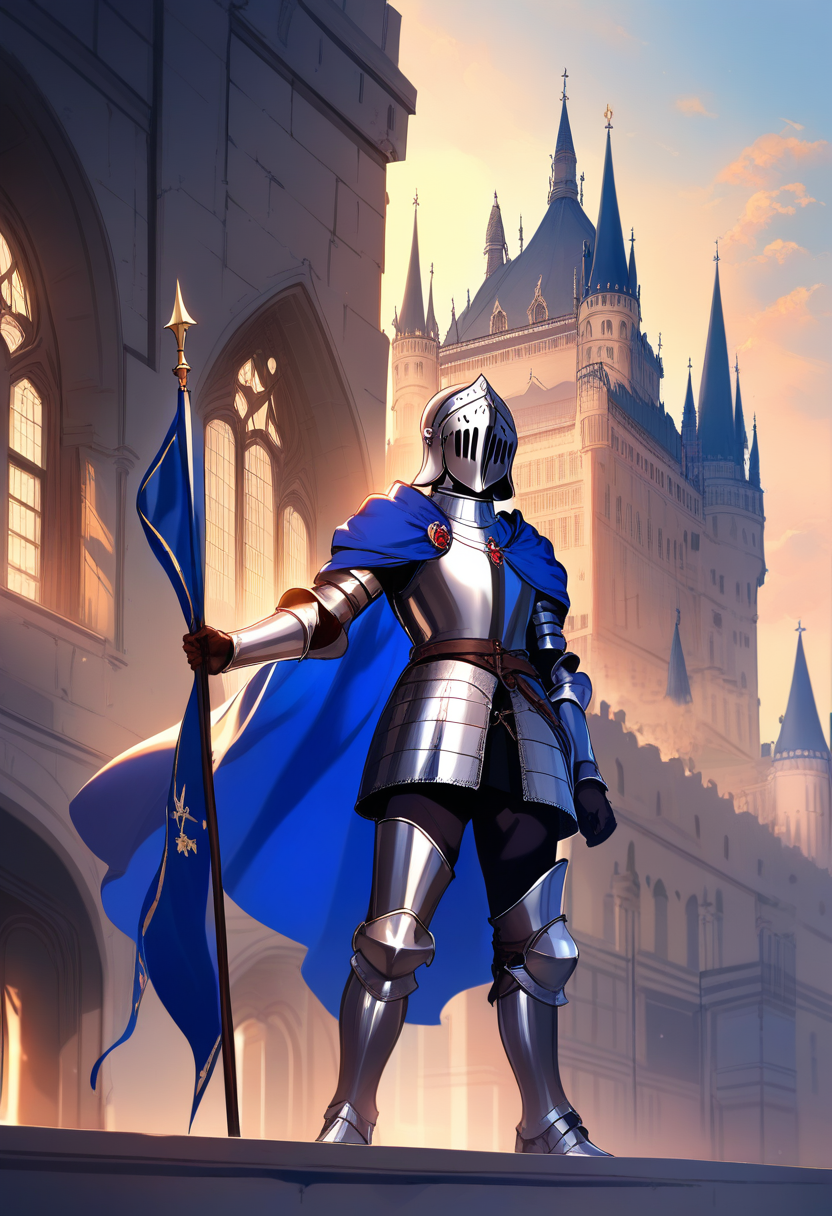
Specific prompt ("a 20-year-old knight with silver plate armor, blue under-tunic, long black hair in a ponytail, wielding a bastard sword, standing at parade rest"):
- Low diversity — variants will look similar
- Differences appear in face, exact armor design, minor pose variation
- Good for final refinement when you know exactly what you want
- Bad for discovering new directions
Anchored prompt ("a knight — silver armor with visible battle damage, stoic expression, winter battlefield background"):
- Medium diversity
- The anchor points (silver, battle damage, stoic, winter) stay consistent
- Free elements (hair, exact armor style, weapon, pose) vary between variants
- The best strategy for most generation sessions
The Character Library: Your Long-Term Asset
Individual character images are disposable. A character library is an asset.
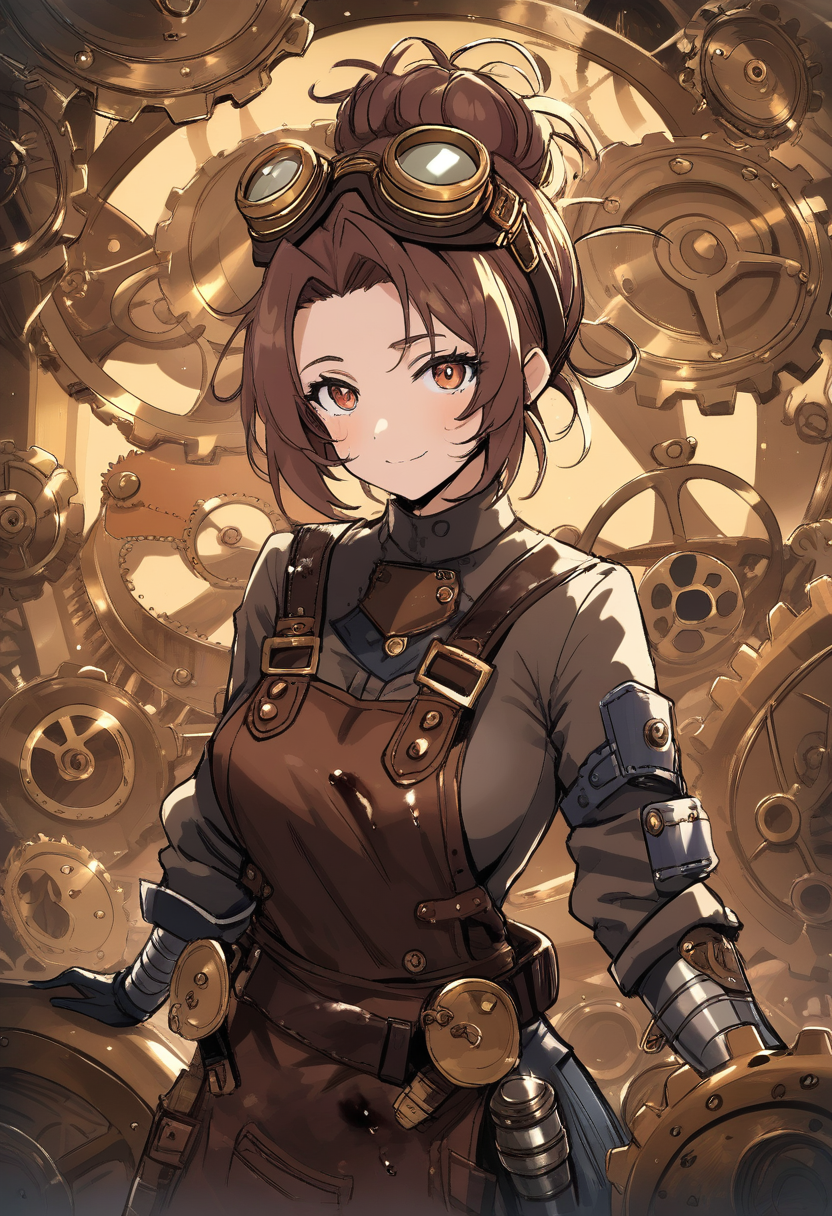
Every time you find a variant you like, save it. Not just the final version — save the strong runner-ups too. Over time, your library becomes:
- A visual vocabulary. "I want something like that knight I made last month, but angrier." You can pull the reference and iterate from it instead of starting from zero.
- A consistency anchor. When generating manga pages, you feed library characters as references so the AI maintains their appearance across panels.
- A casting pool. Starting a new project? Browse your library. That rogue you designed three weeks ago might be exactly the rival character your new story needs.
Batch Strategy for Different Goals
Not every batch serves the same purpose. Match your approach to your goal.
| Goal | Prompt Strategy | What to Optimize For |
|---|---|---|
| Exploring a new OC concept | Loose, mood-focused | Surprise and emotional resonance |
| Designing a main character | Anchored with personality cues | Memorability and distinctiveness |
| Filling a supporting cast | Role-specific, functional | Visual diversity within a group |
| Creating variants of an existing character | Tight reference-heavy prompt | Consistency with minor variation |
| Making profile pictures | Face-focused, expression-driven | Readability at small sizes |
Common Batch Generation Mistakes
Mistake: Generating one variant at a time. This feels more controlled but it is actually slower and produces worse results. You lose the comparative advantage — seeing eight options side by side reveals strengths and weaknesses that a single image cannot.
Mistake: Always picking the first variant that looks good. The first acceptable option is rarely the best option. Check all eight. Variant 7 might be quietly superior to the flashy variant 2 that grabbed your attention first.
Mistake: Discarding the whole batch when nothing is perfect. No batch is wasted if you learned something. "None of these work, but I now know I want warmer colors and a more angular face" is a productive outcome. Fold that observation into the next prompt.
Mistake: Over-describing in the first batch. Your first prompt for a new character should leave room for the AI to surprise you. Lock things down in subsequent batches, not the first one.
From Variants to Finished Character
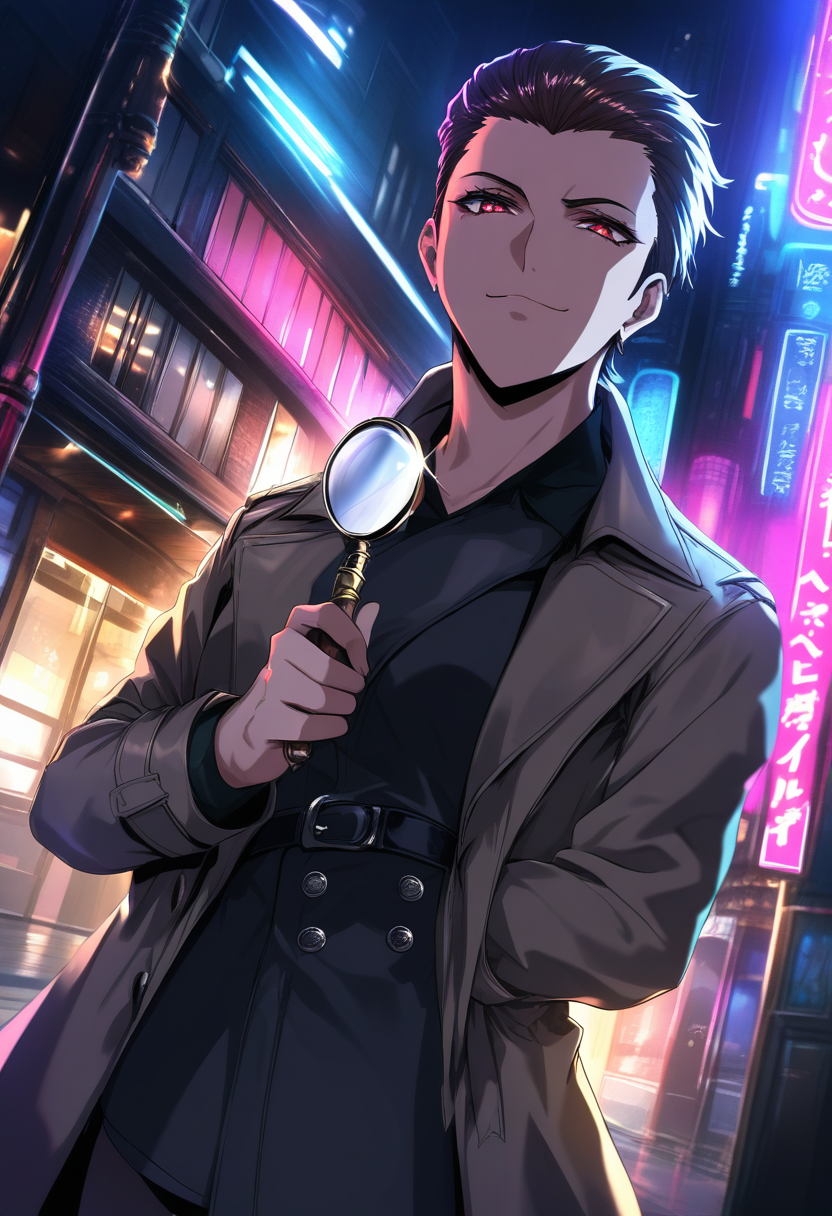
The final step is not generation — it is commitment. At some point you pick a variant, declare it canonical, and save it to your library as the definitive version of that character.
This does not mean you cannot change it later. It means you have a stable reference point. Every future appearance of this character in your manga, game, or project starts from this locked design.
Generate widely. Evaluate critically. Commit deliberately. That is the batch workflow that turns an ai character generator from a slot machine into a professional character design ai tool.
Related Character Tools
Character Creator
Design original anime characters with unique outfits, hairstyles, and expressions.
OC Generator
Create original characters for any fandom or original universe with AI.
Anime Character Maker
Design anime-style characters with customizable features and art styles.
AI PFP Generator
Generate unique anime profile pictures and avatars for social media.
D&D Character Art Generator
Generate fantasy character art for your Dungeons & Dragons campaigns.
立即创建你的角色
几秒内将任何创意转化为令人惊叹的角色画作。免费试用AI角色生成器,看你的角色即刻栩栩如生。