 Oniichan
AI Mascot Generator
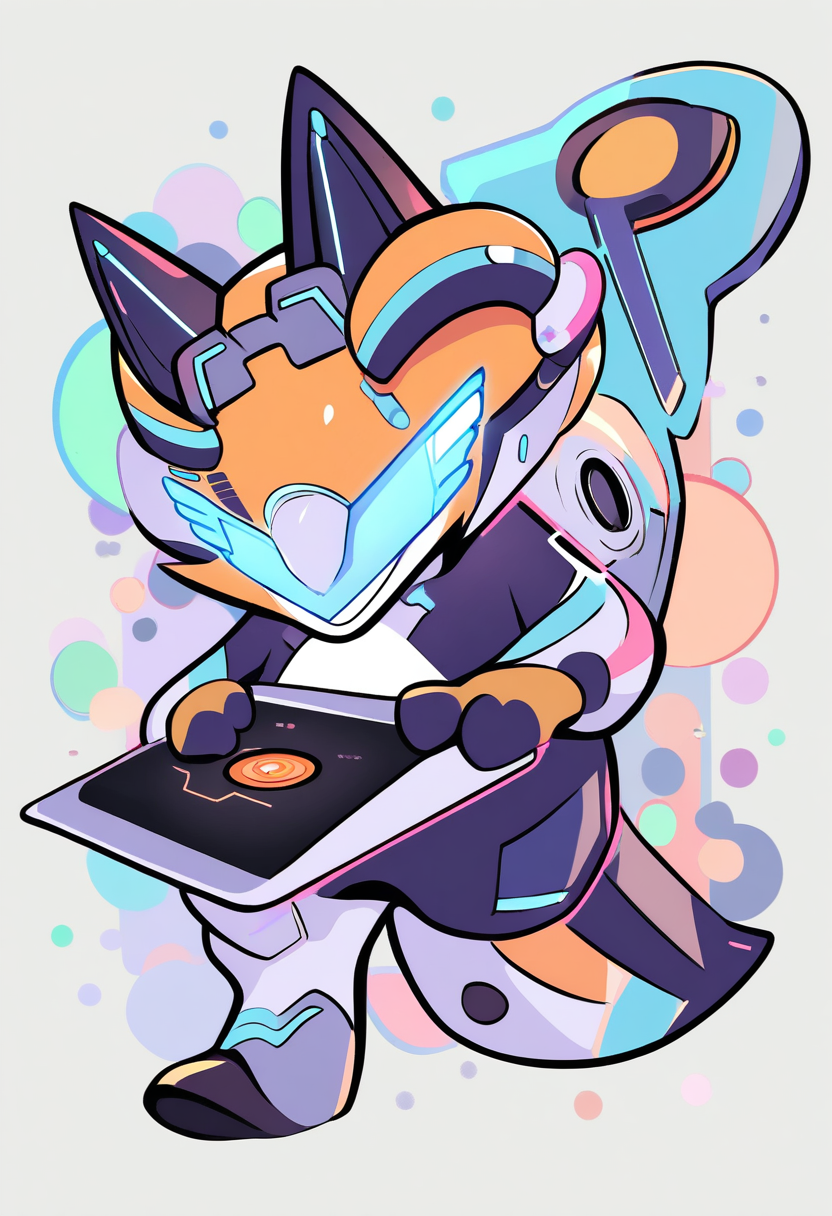
Chibi, mascot design, round body, bear hoodie, brown and cream colors, stubby arms, waving, rosy cheeks, happy expression
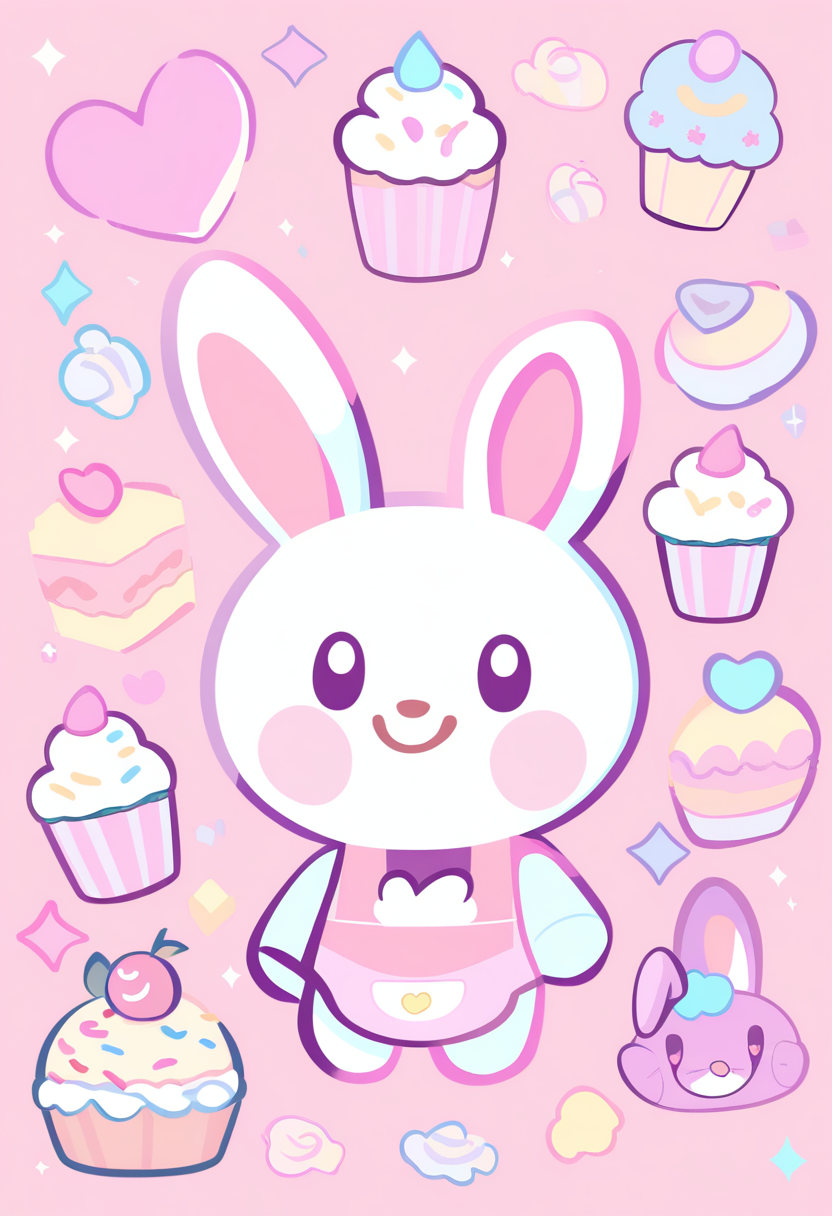
Chibi, mascot design, penguin themed, tuxedo pattern, bowtie, top hat, tiny wings, waddling pose, cheerful
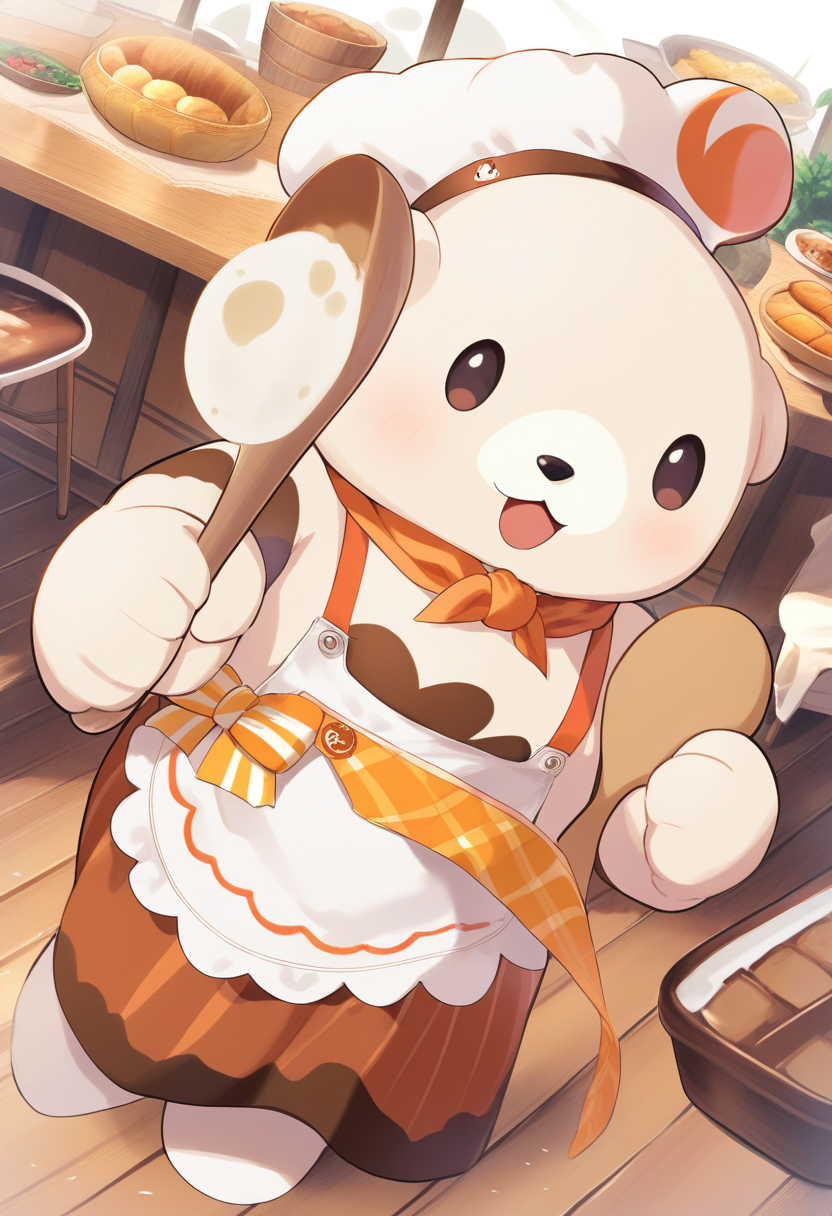
Chibi, mascot design, bunny ears, fluffy tail, pastel blue dress, oversized bow, carrot accessory, bouncing pose, kawaii
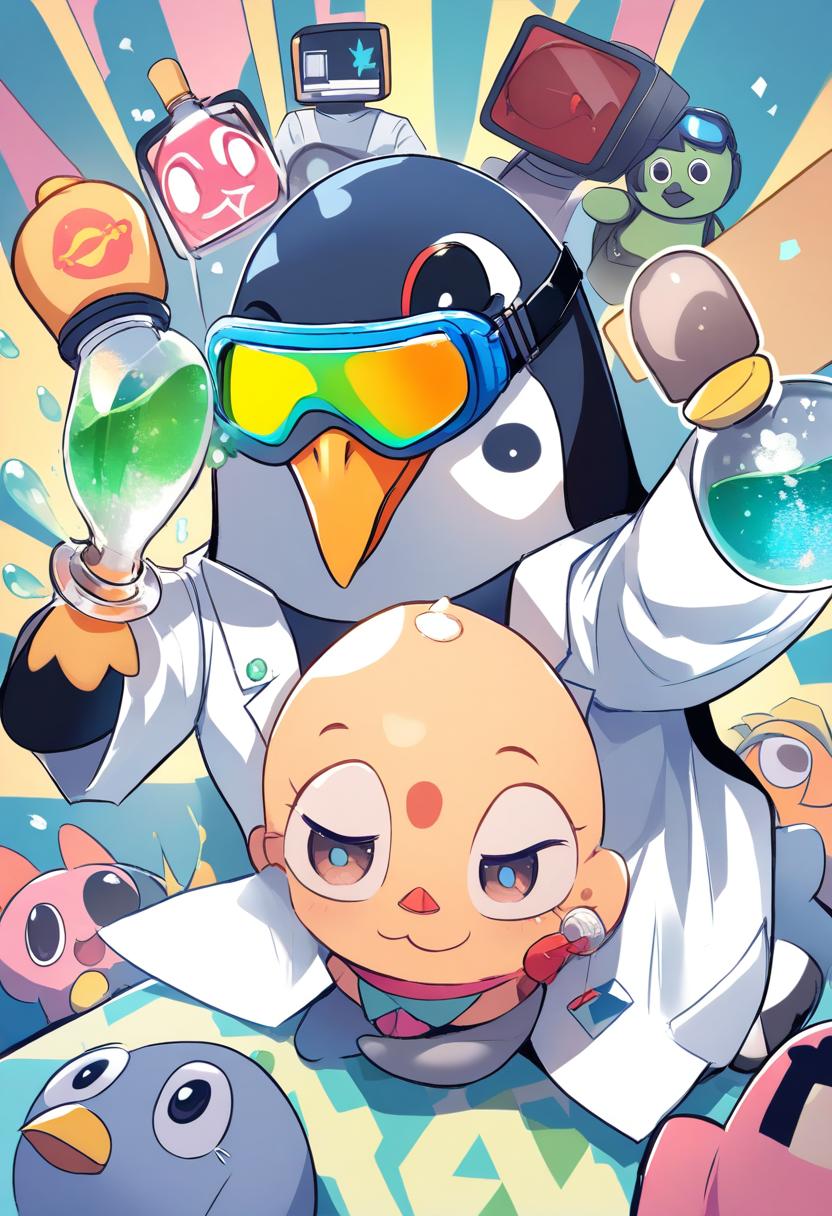
Chibi, mascot design, star theme, star-shaped hair clips, yellow dress, wand with star, twirling pose, glitter effects
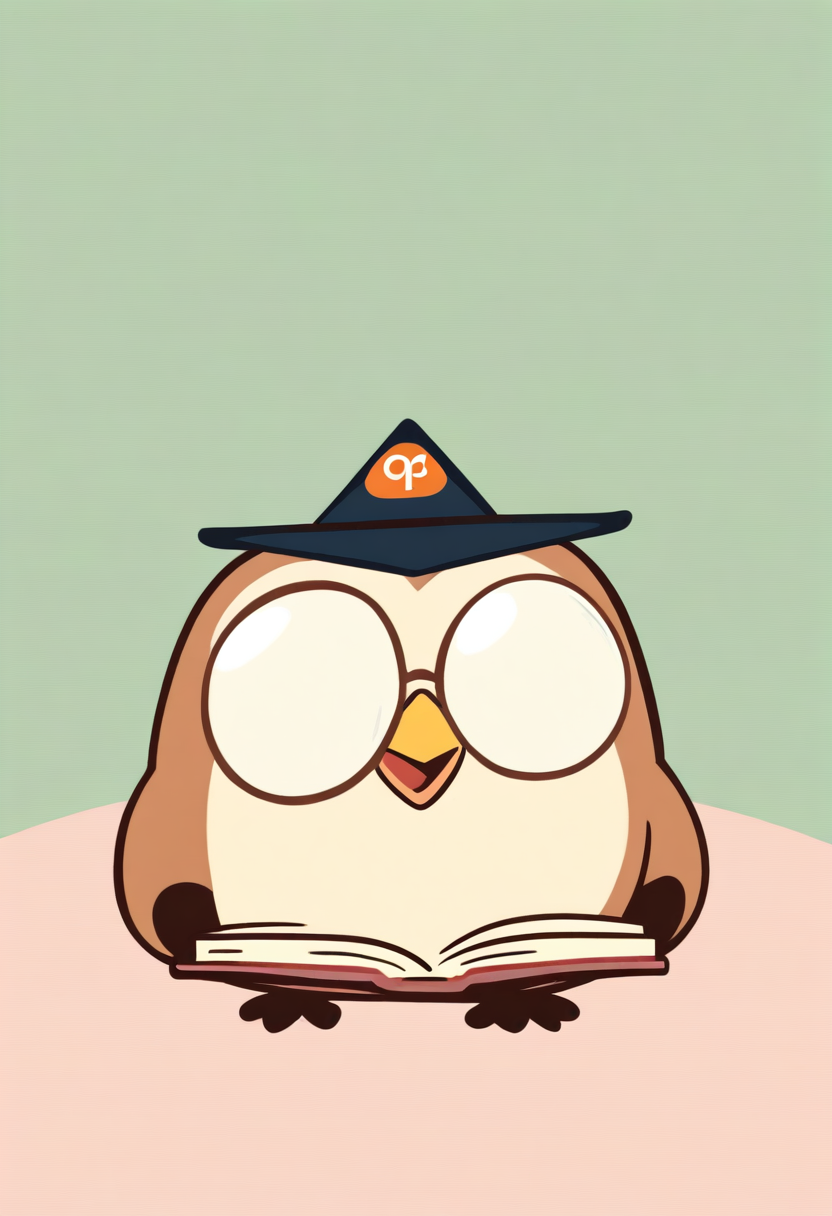
Chibi, mascot design, round face, oversized head, cat ears, pink hair, paw gloves, bell collar, cute pose, sparkles
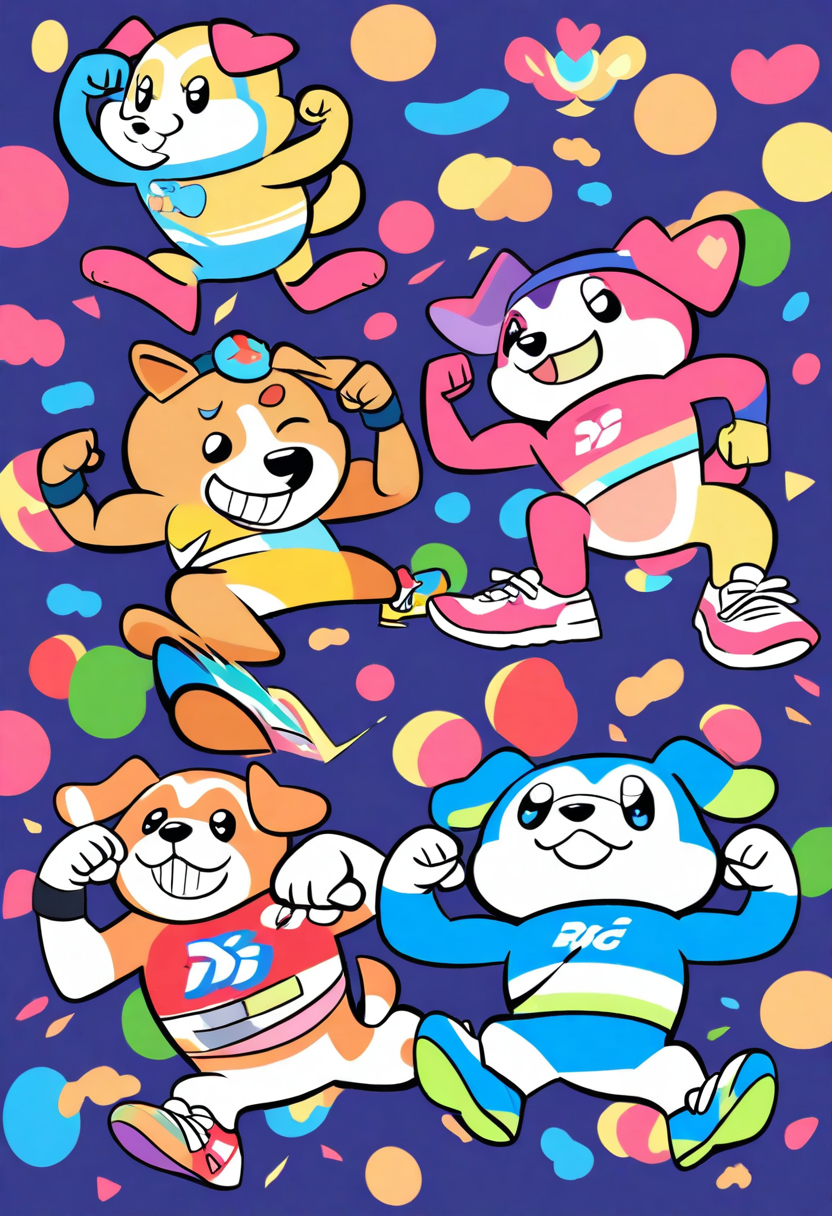
Chibi, mascot design, fox ears, fluffy fox tail, orange and white color scheme, miko outfit, holding lucky charm, playful wink
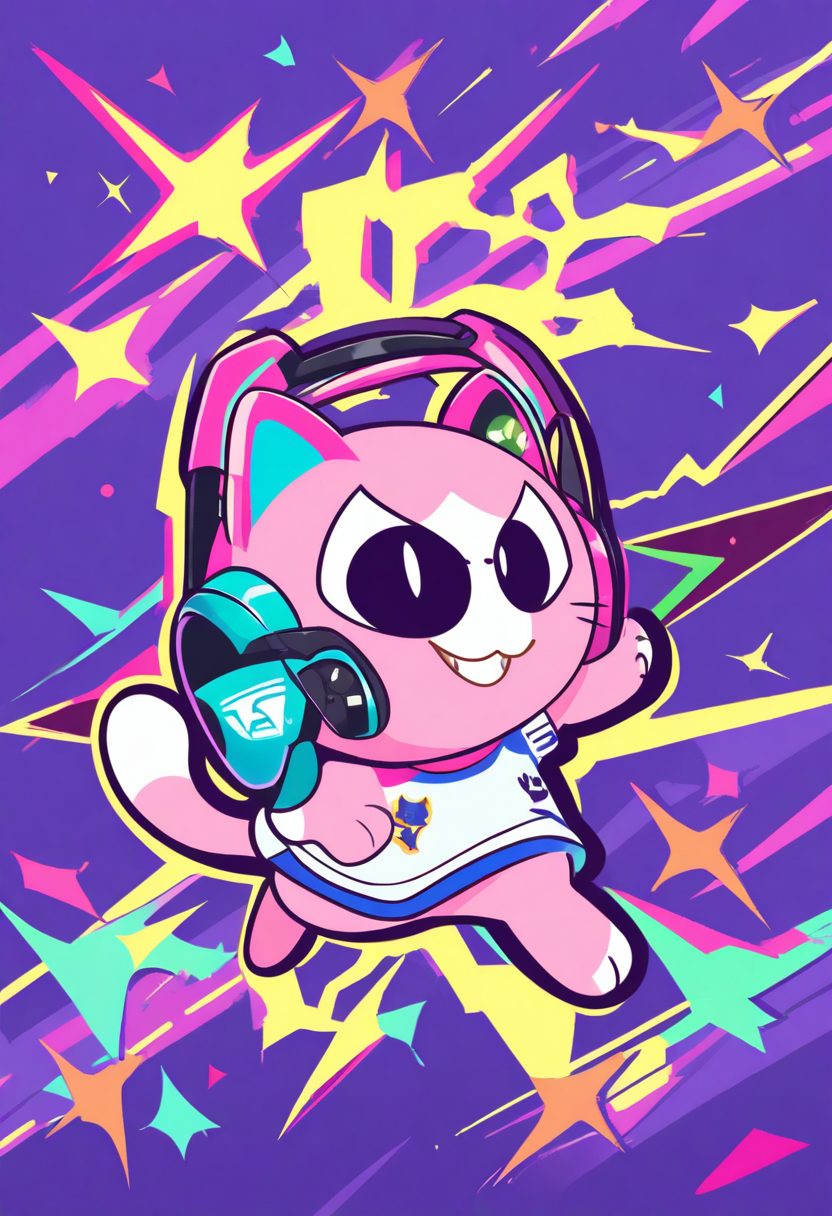
Chibi, mascot design, robot theme, antenna on head, visor eyes, round body, metallic silver and blue, thumbs up, friendly expression
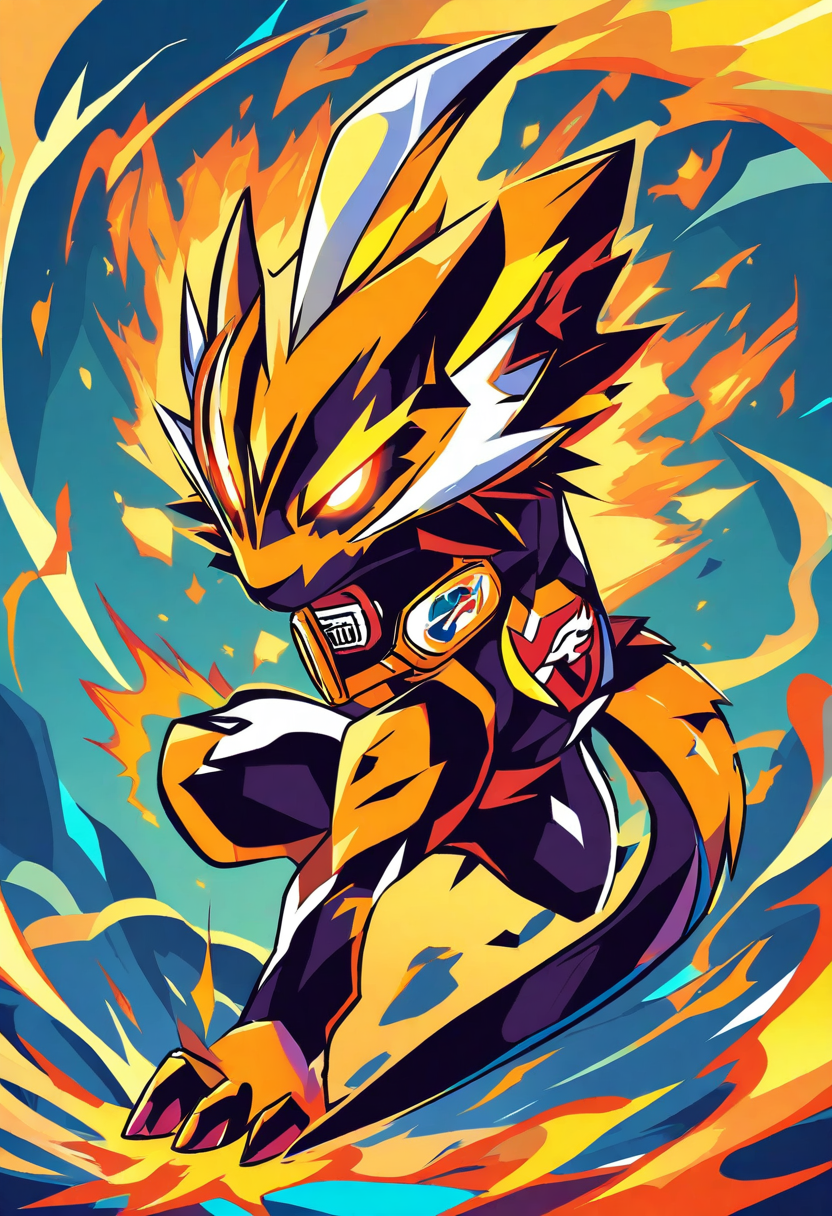
Chibi, mascot design, dragon horns, small wings, green scales pattern hoodie, holding gem, toothy grin, stubby tail
The AI Mascot Generator Playbook
A mascot is not a character. Characters exist inside stories. Mascots exist inside brands. They appear on business cards, app icons, social media avatars, merchandise, packaging, trade show banners, and error pages. A mascot that only works as a full-body illustration is a failed mascot.
This mascot maker playbook covers what makes mascots work, how to design one with an ai mascot generator or brand mascot creator, and how to ensure it survives every context it will live in.
The Three Laws of Mascot Design
1. Simplicity is survival.
The Michelin Man is a stack of tires with a face. The Twitter bird is a silhouette. Duolingo's owl is a green owl. The simpler the mascot, the more contexts it survives. Every line you add is a line that becomes invisible at 32x32 pixels or a line that a five-year-old cannot draw from memory.
When prompting AI for mascots, actively fight the instinct to add detail. "A round cat with big eyes and a chef hat" is a better mascot brief than "a detailed anthropomorphic cat in a full chef's uniform with an embroidered apron and holding a whisk."
2. Memorability comes from one thing done boldly.
The best mascots have a single dominant visual hook. The Energizer Bunny has sunglasses and a drum. Clippy had the eyes. The Pillsbury Doughboy has the belly poke. If you ask someone to describe the mascot, that one feature is what they say first.
Design your mascot around one signature element. Then make that element impossible to miss.
3. Personality must be visible in a still image.
A mascot's personality cannot rely on animation or context. It needs to radiate from posture, expression, and design alone. Is this mascot energetic? Wise? Mischievous? Friendly? That should be clear from a single static image with no text.
Mascot Archetypes
Most successful mascots fit into one of these categories. Knowing which archetype you want narrows the design space significantly.
The Cute Animal Examples: Duolingo owl, Firefox fox, GitHub octocat
Animals are mascot-native. They come pre-loaded with personality associations. Foxes are clever. Owls are wise. Dogs are friendly. Cats are independent. Choose the animal whose natural personality matches your brand, then stylize heavily.
Prompting approach: "A [animal] mascot, simple cartoon style, [brand personality], [signature color], [one unique accessory], chibi proportions, clean design suitable for icon use"
The Anthropomorphic Object Examples: Clippy (paperclip), Android robot, Mr. Peanut
Take an object related to your product and give it a face. This works because the mascot immediately communicates what you do. A coffee cup with legs and eyes for a cafe. A rocket ship with a face for a startup.
Prompting approach: "A [object] character with simple cartoon face, arms and legs, [brand color], expressive eyes, [personality pose], minimal detail, sticker-ready design"
The Abstract Creature Examples: Reddit's Snoo, Slack's multicolor shapes, Among Us crewmates
Not an animal, not an object — something invented. This gives maximum design freedom but requires more work to make memorable. The advantage is total uniqueness. Nobody else has a mascot that looks like yours because it does not exist in nature.
Prompting approach: "An original creature mascot, [body shape description], [color palette], friendly expression, unique but simple design, [one distinctive feature]"
The Human-Adjacent Examples: KFC's Colonel, Wendy's girl, Pringles man
A stylized human face or figure. Harder to make work because the uncanny valley is real — too detailed and it is creepy, too simple and it is generic. The most successful ones reduce the human to a few signature features (Colonel Sanders' glasses and goatee, the Wendy's girl's red pigtails).
Color and Brand Alignment
Your mascot's color IS your brand's color. They are inseparable.
Rules for mascot color selection:
- Use maximum 2-3 colors (body color, accent color, optional secondary accent)
- One color should dominate at 60%+ of the mascot's surface area
- The dominant color should match your brand's primary color — the mascot reinforces brand recognition, not competes with it
- Avoid colors that do not reproduce well in print — neon green on screen becomes olive on a business card
- Test against both white and dark backgrounds — your mascot will live on both
Designing for Every Context
A mascot appears in dozens of formats. Design with all of them in mind.
| Context | Size | What Needs to Work |
|---|---|---|
| App icon | 64x64 px | Face/head only, recognizable in a circle crop |
| Social media avatar | 400x400 px | Head and upper body, personality visible |
| Website hero | Full body | Complete design with pose and environment |
| Favicon | 16x16 px | Silhouette or single color shape only |
| Merchandise (t-shirt) | Variable | Must work at arm's length |
| Sticker / emoji | ~200 px | Exaggerated expression, thick outlines |
| Business card | Small | Clean reproduction in print CMYK |
| Error page / empty state | Medium | Expressing an appropriate emotion (confused, sorry, excited) |
The practical implication: design the mascot at its most complex (full body hero image), then verify it still works at its simplest (favicon silhouette). If the favicon version is unrecognizable, simplify the full design.
Expression Sheets: One Character, Many Moods
A single mascot image is a portrait. A mascot system is a toolkit.
After locking your mascot's base design, generate expression variants:
- Happy / celebrating — for success states, achievements, welcome screens
- Thinking / curious — for loading states, search, discovery
- Sad / apologetic — for error pages, empty states, maintenance screens
- Excited / energetic — for new features, promotions, onboarding
- Waving / greeting — for landing pages, first-time user experience
- Sleeping / idle — for quiet states, night mode, inactive accounts
Each expression should change only the face and pose — never the core design, colors, or proportions. The mascot must always be recognizable as the same character.
Mascot Personality Design
Before generating any images, write a one-paragraph personality brief:
"Our mascot is enthusiastic but not hyperactive. They are curious and slightly clumsy — always getting into minor trouble but handling it with a cheerful attitude. They gesture with their hands when excited. Their default expression is a lopsided grin."
This paragraph guides every design decision. A curious mascot has wide eyes and a tilted head. A mischievous mascot has a smirk and narrowed eyes. An authoritative mascot stands tall with a confident posture.
Feed this personality brief directly into your AI prompt. The AI will translate personality language into visual choices.
The Mascot Generation Workflow
- Define the archetype (animal, object, creature, or human-adjacent)
- Choose 2-3 brand colors
- Write the personality paragraph
- Generate a batch of variants with a loose prompt
- Select the strongest silhouette
- Refine with specific details (the one signature feature)
- Generate the expression sheet
- Test at favicon, icon, and full-body scales
- If it fails any scale test, simplify and regenerate
When to Iterate vs When to Restart
If your mascot concept is not clicking after three rounds of refinement, the problem is usually not the execution — it is the concept. A mediocre concept refined ten times is still mediocre. A strong concept with rough execution can be polished quickly.
Signs you need to restart the concept:
- You keep adding detail to make it work (fighting simplicity)
- People cannot describe it after seeing it once
- It does not look like what your brand does
- The silhouette is indistinguishable from a hundred other mascots
Signs you just need to refine:
- The personality is right but the proportions are off
- The color works but a detail needs tweaking
- It reads well at full size but not at icon scale (simplification needed, not redesign)
Good mascots look obvious in retrospect. They feel inevitable — like of course that is what this brand's mascot should look like. If yours does not feel that way yet, keep generating.
Related Tools
AI Character Creator
Design original anime characters with unique outfits, hairstyles, and expressions.
Chibi Maker
Create adorable chibi-style character art with oversized heads and cute proportions.
AI Sprite Generator
Generate pixel art sprites and game-ready character assets.
AI Illustration Generator
Generate detailed anime and manga-style illustrations from text descriptions.
AI PFP Generator
Generate unique anime profile pictures and avatars for social media.
Design Your Brand Mascot Today
Give your brand a face that people remember. Try the AI Mascot Generator now and create a professional mascot character in seconds!
Create Mascot Art Free